What Is the Best Time to Visit Antarctica?
Download Travel Details >PRIVATE & SMALL GROUP TOURS TO THE WORLD'S BEST DESTINATIONSn
Explore Antarctica and South America with stunning wildlife and scenery.

Antarctica Travel Seasons for Eco-Adventure Travelers
If you're planning a trip to Antarctica, the fist thing to ask is this: what is the best time to visit Antarctica? For this destination, it's important to understand that there is no year-round schedule. The continent is only accessible to travelers for only a few months each year, and the window is shorter than most people expect. But within that window, the timing of a visit makes a significant difference — not just for comfort, but for what travelers actually encounter when they get there.
Understanding Antarctica's seasonal rhythm is one of the most important steps in planning a responsible polar expedition. Even better, if you book your trip with an experienced tour guide, you'll ensure that your travel plans will fall into the window that best maximizes your experience on the ground. To help with your planning, here's a guide to what each phase of a Antarctica's tourist season looks like.
Antarctica Only Opens for a Few Months Each Year
The Antarctic tourist season runs from November through early March, which coincides with the Southern Hemisphere's summer. Outside of this window, the continent is locked under darkness and extreme cold, and expedition travel is not possible for causal visitors.
That five-month window breaks into three distinct phases, each with its own wildlife activity, light conditions, and sea ice situation. Choosing the right phase depends on what a traveler most wants to experience. Rsponsible operators plan departures with those differences in mind. For a full overview of what planning a trip to Antarctica involves, the Antarctica trip planning guide covers costs, routes, and what to expect in detail.
Early Season (November): Ice, Scenery, and First Arrivals
November is the opening of the Antarctic season, and it is one of the most visually dramatic periods to visit. Sea ice is still breaking up, and the landscape is a mix of white ice fields, dramatic icebergs, and the first tentative signs of life returning to the continent.
Early season is ideal for travelers who prioritize scenery and solitude. Wildlife activity is beginning. During this phase, penguins are arriving at their breeding colonies and courtship behavior is underway, but it is not yet at peak intensity. The ice formations in November are often more dramatic than later in the season, when warmer temperatures have begun breaking things apart.
One consideration for early season travel is that some landing sites may still be inaccessible due to residual sea ice. Experienced expedition teams plan routes with this in mind, but flexibility is essential.
Mid-Season (December and January): Peak Penguin Activity
December and January represent the heart of the Antarctic summer. Daylight is nearly continuous, temperatures are at their most moderate, and wildlife activity reaches its annual peak.
This is the best window for travelers whose primary interest is penguins. Gentoo, chinstrap, and Adélie colonies are at their most active during this period. Chicks are hatching, parents are feeding, and the colonies are noisy, dense, and endlessly engaging. For a closer look at the three main species travelers encounter, the guide to Antarctic penguin colonies covers each one in depth.
Mid-season also brings the best conditions for landings, with more accessible coastline and longer daylight hours for zodiac operations. For first-time Antarctica travelers, December and January offer the most reliable combination of wildlife activity and operational access.
Late Season (February and March): Whales and Calmer Seas
February and March bring a shift in the Antarctic experience. Penguin chick activity is winding down, but a new chapter opens: humpback and minke whales arrive in significant numbers to feed in the nutrient-rich waters around the Antarctic Peninsula.
Late season is the best time for travelers whose primary interest is whale watching. The sea ice has largely melted by this point, opening up channels and bays that are inaccessible earlier in the season. For those interested in sea kayaking or other water-based activities, the calmer late-season conditions are often preferable. The sea kayaking Antarctica guide explores what that experience looks like in more detail.
Late season also tends to have slightly smaller tourist numbers than peak mid-season departures, which appeals to travelers who value a quieter, more immersive experience.
What Responsible Operators Consider When Scheduling Departures
Not all Antarctica tours are scheduled with the same care. Responsible operators, those operating under IAATO guidelines, plan departure windows based on wildlife sensitivity, site rotation, and group size limits. This matters because some of Antarctica's most visited sites have strict visitor caps, and the timing of arrivals affects how those limits are managed across the season.
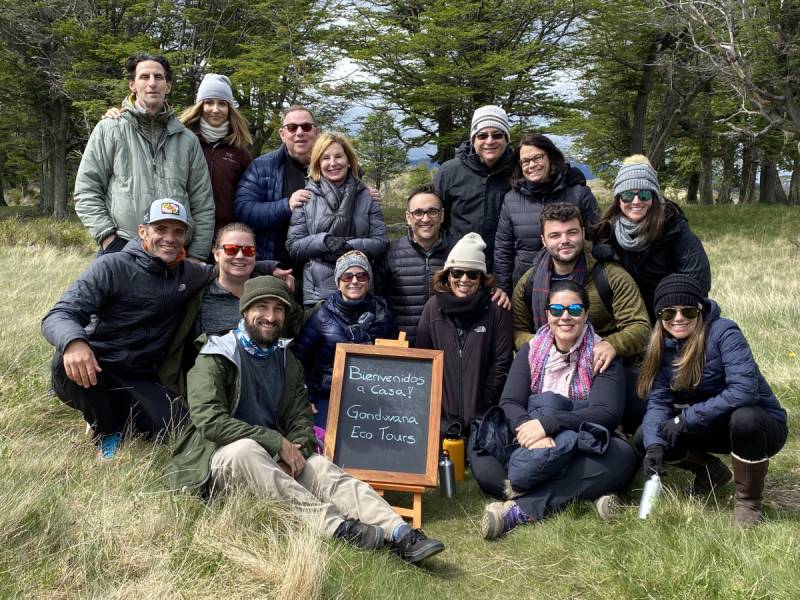
Gondwana Ecotours approaches Antarctica with the same low-impact principles that guide all of our tours: small groups, knowledgeable guides, and a genuine commitment to leaving the places we visit undisturbed. Antarctica's fragility demands nothing less.
How to Decide Which Window Is Right for You
The right time to visit Antarctica depends on what matters most to each indivdual traveler:
- For dramatic ice scenery and solitude: November is the best month to visit
- For peak penguin activity and reliable landing conditions: December and January offer the most consistent experience
- For whale watching and calmer water conditions: February and March provide the best access to these experiences
- For first-time visitors unsure which window to choose: mid-season departures in late December and early January balance wildlife, conditions, and access most reliably
Antarctica is one of the few places on Earth that rewards careful planning as much as it rewards the effort a traveler takes to get there. Understanding the travel season before booking your tour is part of what makes the experience everything it should be. For more examples of what eco-conscious polar travel looks like in practice, the Antarctica eco-adventure guide explores why this destination continues to draw travelers who take responsible tourism seriously.
Antarctica's season is short, and departures fill early. Download our travel details to learn how Gondwana approaches tours on the seventh continent.