How Costa Rica Protected Its Forests—and What Travelers Can Still Experience
Download Travel Details >PRIVATE & SMALL GROUP TOURS TO THE WORLD'S BEST DESTINATIONS
Ready To Join Us For An Adventure In Costa Rica!


Experience the Costa Rica Forests Conservation Helped Save
Costa Rica lost nearly half of its forest cover by the late 1980s, cleared for cattle pasture and cheap credit that rewarded landowners for cutting trees rather than keeping them standing. Most countries that reach that point never fully recover their forests. Costa Rica did, and travelers walking through Corcovado or Monteverde today are walking through the direct result of that recovery.
According to the World Bank, Costa Rica's forest cover shrank to about 40 percent of the country by 1987 before climbing back to nearly 60 percent today, making it the first tropical country to reverse deforestation entirely. Understanding how that happened changes the way a visit to the Costa Rica: Secluded Wildlife Adventure feels. The forest around a trail is not simply scenery. It is a policy decision that worked.
The Turning Point That Changed Costa Rica's Future
By the mid-1990s, Costa Rica's government had removed the subsidies that made deforestation profitable and replaced them with something unusual. Instead of punishing landowners for cutting forest, the country began paying them to keep it standing. The Payment for Environmental Services program, funded largely through a tax on fossil fuels, compensated farmers directly for the carbon storage, water regulation, and biodiversity their land provided.
That shift, detailed by the United Nations Framework Convention on Climate Change, treated forest as an asset worth more alive than cleared. It is a simple idea that took real political will to carry out, and it became the model other countries later tried to copy.
From Deforestation to Reforestation
The numbers tell the story cleanly. Costa Rica went from losing forest every year to gaining it, and the shift did not happen by accident. Farmers who once cleared land for pasture began enrolling in five and sixteen year contracts to protect existing forest or replant native species on land that had already been cut.
- Forest cover fell to roughly 40 percent of the country by the late 1980s
- Millions of native trees have since been planted through government reforestation contracts
- Costa Rica now generates most of its electricity from renewable sources, reinforcing the same conservation priorities on land
Travelers who want a hands-on look at that shift can read about the reforestation programs open to visitors, several of which let guests plant a tree as part of their trip.
National Parks, Wildlife Corridors, and Protected Lands
More than a quarter of Costa Rica's land now falls under some form of protection, spread across national parks, biological reserves, and wildlife refuges. That protection is not scattered at random. Much of it forms connected corridors, allowing species like jaguars and tapirs to move between reserves instead of being trapped in isolated fragments of habitat.
Corcovado National Park on the Osa Peninsula anchors one of the most intact corridors in the country, and it remains one of the best places anywhere to see the animals that depend on unbroken forest. Scarlet macaws move freely between Corcovado and the surrounding buffer zones, and biologists have documented all four of Costa Rica's wild cat species using the same corridor system at different points in the year. None of that movement is possible in a landscape broken up by isolated, fenced-off parks.
Arenal, Tortuguero, and the cloud forest reserves around Monteverde each connect to this same broader network, which is part of why a well-planned Costa Rica itinerary can move between such different ecosystems in a single trip and still find dense wildlife at every stop. Our overview of ecotourism activities across the country covers several of the parks and reserves that make up this network.
How Local Communities Became Part of Conservation
Conservation in Costa Rica works because it pays people to participate in it, not just because the government declared land protected. Rural communities that once depended on logging or cattle now depend on guiding, lodging, and hosting travelers instead. That shift changed the economic incentive at the household level, which is a large part of why the policy has held for decades instead of reversing with the next administration.
Former loggers now work as park rangers and naturalist guides in many of the same forests they once cleared for timber. Families who signed early Payment for Environmental Services contracts often talk about walking their own replanted land with grandchildren, watching second-growth forest fill back in with birds and monkeys that had disappeared for a generation. That kind of buy in is difficult to legislate and much easier to sustain once it exists.
Indigenous communities have played a role in this shift as well. Travelers interested in that side of the story can read about visiting Bribri communities in the Talamanca region, where conservation and cultural preservation are closely linked.
Why Travelers Play an Important Role
Costa Rica welcomes millions of visitors a year, and a majority say the country's nature and environment are the main reason they came. That demand gives forest more economic value standing than cleared, which is the same logic behind the Payment for Environmental Services program, just applied through tourism instead of a government contract.
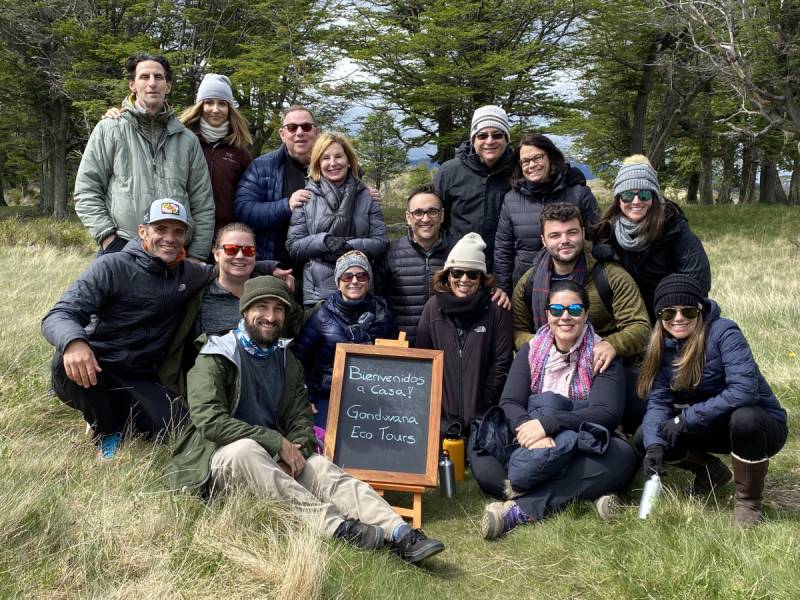
Small group travel adds another layer to that impact. Gondwana Ecotours works with local guides and lodges throughout the Costa Rica: Secluded Wildlife Adventure, which keeps tourism revenue closer to the communities doing the conservation work rather than routing it through large, disconnected resorts. More on that approach is available on our sustainability page.
Conservation Successes Still Being Written Today
The recovery is not finished, and it is not guaranteed to hold without continued investment. Costa Rica continues to expand its reforestation contracts, extend protection to mangrove ecosystems, and pursue international carbon financing to fund the next phase of forest recovery. The country's approach to protecting sea turtles along the Caribbean coast, covered in our piece on sea turtle conservation, follows the same pattern of pairing science with community involvement.
Costa Rica's broader identity as a model for ecotourism did not happen despite this conservation history. It happened because of it.
Experience the Forests Costa Rica Chose to Save
Walking through a forest that almost was not there is a different experience once you know the history behind it. The trees standing in Corcovado or along a Tortuguero canal are the result of decades of policy, community buy in, and sustained investment, not simply luck.
Gondwana Ecotours built its Costa Rica itinerary around the parks and corridors this recovery made possible, guided by naturalists who can point out exactly what that history looks like on the ground.
For more details about what is included in our itineraries, please visit our tour pages before booking.
Wildlife sightings are never guaranteed, but a trip built with this conservation history in mind makes the most of what Costa Rica's protected forests offer. Download our travel details for the most accurate picture of what the Costa Rica: Secluded Wildlife Adventure itinerary actually includes.