Protecting the Osa Peninsula from Mountain Ridge to Pacific Reef
Download Travel Details >PRIVATE & SMALL GROUP TOURS TO THE WORLD'S BEST DESTINATIONS
Ready To Join Us For An Adventure In Costa Rica!


Explore the Osa Peninsula from Ridge to Reef
The Osa Conservation Area covers far more than Corcovado National Park's famous rainforest, linking mountain ridges, lowland forest, mangrove-lined estuaries, and offshore reef into a single connected region. Understanding the Osa this way, rather than as one park among several, changes how the whole peninsula should be approached, since so much of what makes it ecologically remarkable happens in the connections between its individual protected sites.
Osa Conservation runs a program specifically named Ridge to Reef, focused on strengthening the ecological connection between the Osa Peninsula's highland forest and its coastal waters. The Osa Conservation Area, managed by SINAC, administers this entire region as a coordinated whole rather than a set of isolated parks, treating the space between protected areas as just as important as the areas themselves.
Why the Osa Is More Than Corcovado
Corcovado draws most of the Osa's tourism attention, and deservedly so, but the broader conservation area also includes Piedras Blancas National Park across Golfo Dulce, Marino Ballena National Park to the north, and extensive private reserves and biological corridors connecting them all. Treating the Osa as a single park undersells just how much interconnected habitat actually makes up this region, and how much of its most valuable conservation work happens well outside Corcovado's own boundaries.
Our overview of ecotourism activities across Costa Rica covers several of these lesser-known Osa destinations worth adding to a Corcovado-centered itinerary.
Rainforest from Ridge to Shore
The Osa's terrain runs from forested ridgelines down through lowland rainforest to mangrove estuaries and sandy beaches, often within a fairly short distance. That compression means a single day's travel can move through several genuinely distinct ecosystems, each supporting a different slice of the region's overall biodiversity, from highland cloud-influenced forest to humid coastal lowland within the same few hours.
This ridge-to-shore continuity is exactly what conservation groups working in the region are trying to protect and restore, since fragmenting any single link in that chain weakens the whole system's ability to support wide-ranging wildlife.
Golfo Dulce and Coastal Nurseries
Golfo Dulce, one of only a handful of tropical fjords in the world, sits at the heart of the Osa Conservation Area, its sheltered waters supporting mangrove nurseries that feed fish and invertebrate populations well beyond the gulf itself. Resident dolphin populations and seasonal humpback whale migrations both depend on this same protected marine environment, one that behaves genuinely differently from the open Pacific coast just beyond its mouth.
Our guide to snorkeling in Costa Rica covers a few of the underwater sites within this conservation area worth pairing with time on land.
Wildlife Corridors Beyond Park Boundaries
Jaguars, tapirs, and scarlet macaws all move through private land and biological corridors connecting Corcovado to Piedras Blancas and beyond, territory that extends well past any single park's formal boundary. Camera trap research across the peninsula has tracked exactly how these species use, or fail to use, the connections between protected areas, providing a clear picture of where corridor restoration still needs the most investment.
Our roundup of adventurous activities in Costa Rica covers a few of the less-visited corners of this corridor system, useful for travelers wanting to explore beyond Corcovado's main trails.
Communities Living Beside the Forest
Towns like Puerto Jimenez and Drake Bay function as gateways to the region's protected land while also depending economically on the tourism and conservation work happening around them. That relationship between community and conservation runs deeper here than in more heavily developed parts of the country, since much of the Osa's economy is tied directly to the health of the surrounding ecosystem, a dependency that gives local residents a genuine stake in how well the region's forests and waters are protected.
Research stations and local guiding operations throughout the region reflect this same connection, employing residents whose knowledge of the land often predates the formal conservation designations covering it, knowledge that continues to inform how the region's protected areas are managed today.
Photographing One of Costa Rica's Wildest Regions
The Osa's range of ecosystems, dense rainforest, open estuary, coral reef, rewards photographers willing to shift equipment and technique across a single trip rather than relying on one approach throughout. Wide-angle landscape shots suit the estuary and coastal sections, while a longer lens and patient technique pay off deeper in the rainforest. Our packing guide covers what to bring for Costa Rica's climate, worth reviewing specifically for the waterproof protection this consistently humid, occasionally wet region demands.
Travel Deep into the Osa Peninsula's Living Landscape
The Osa Conservation Area represents one of the most ecologically complete regions in Costa Rica, connecting mountain, forest, estuary, and reef into a single system rather than a collection of separate attractions. Few regions anywhere in Central America pack this much genuinely interconnected wilderness into such a compact area.
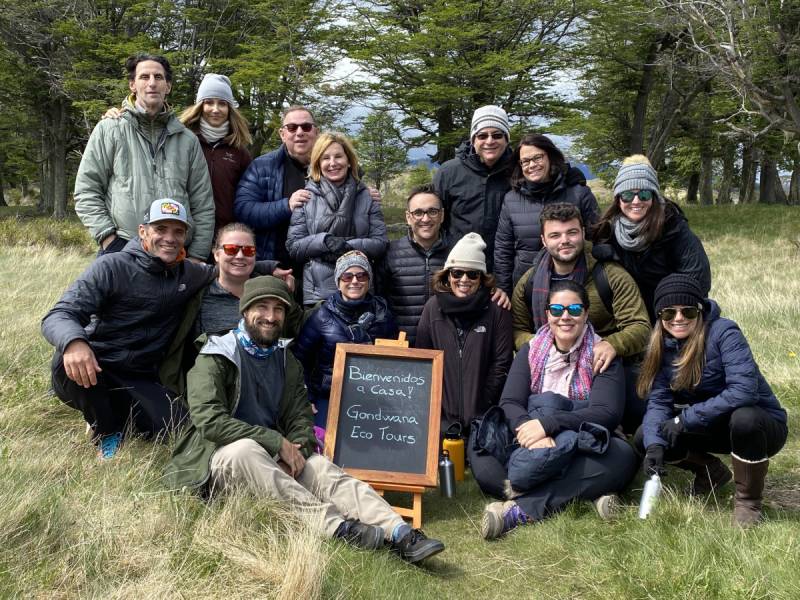
Gondwana Ecotours builds itineraries around this connected region, following the wildlife viewing standards in our Animal Welfare Policy and the conservation approach outlined on our sustainability page, treating the space between Corcovado, Piedras Blancas, and Golfo Dulce as just as much a part of the itinerary as the named parks themselves.
For more details about what is included in our itineraries, please visit our tour pages before booking.
Wildlife sightings are never guaranteed, and the Osa's wide-ranging species remain genuinely elusive even in well-connected habitat. Download our travel details for the most accurate picture of what the Costa Rica: Secluded Wildlife Adventure itinerary actually includes.