Visiting Costa Rica’s Wild Places Without Leaving Damage Behind
Download Travel Details >PRIVATE & SMALL GROUP TOURS TO THE WORLD'S BEST DESTINATIONS
Ready To Join Us For An Adventure In Costa Rica!


Travel Costa Rica's Wild Places Without Leaving a Mark
Responsible travel in Costa Rica comes down to a series of small, practical choices repeated across every trail, sighting, and interaction, not a single grand gesture. Most of what protects the country's wild places happens at this everyday level, decisions individual travelers make dozens of times over the course of a single trip, often without realizing how much those small choices add up across an entire season of visitors.
The Leave No Trace Center for Outdoor Ethics built its seven core principles around exactly this kind of everyday decision-making, and the same framework applies directly to Costa Rica's trails and wildlife encounters. The Global Sustainable Tourism Council incorporates similar visitor behavior standards into the criteria it uses to evaluate destinations and operators worldwide, treating visitor behavior as just as important as operator practices.
Staying on the Trail When the Photograph Is Just Out of Reach
Stepping off a marked trail for a better photo angle damages understory plants and soil structure that can take years to recover, even from a single footprint repeated by enough visitors. The temptation is real, since wildlife rarely poses conveniently within frame of a maintained path, but the better photograph is never worth the cumulative damage of thousands of visitors making the same small exception, one footprint at a time compounding into a genuinely eroded, denuded trail edge.
A longer lens solves this problem more reliably than closer proximity ever does, letting a photographer stay on the trail while still filling the frame.
Giving Wildlife More Space Than You Think It Needs
Most travelers underestimate how much distance wildlife actually needs to behave naturally, judging comfort level by whether an animal has fled rather than by subtler signs of stress that appear well before that point. A sloth that stops moving, a bird that shifts position repeatedly, or a monkey that pauses feeding are all early signals worth respecting rather than waiting for a more obvious reaction, since by the time an animal actually flees, the disturbance has already happened.
Our packing guide covers what to bring for Costa Rica's climate, including the binoculars and longer lenses that make maintaining real distance easier without sacrificing the quality of a sighting.
Reducing Plastic and Waste
A reusable water bottle, a refusal of single-use plastic where alternatives exist, and packing out every piece of trash generated on a trail, including biodegradable items like fruit peels, all reduce a trip's physical footprint meaningfully. Costa Rica's remote parks often lack reliable waste removal infrastructure, which means anything left behind tends to stay for far longer than a traveler might assume, sometimes for years in areas with limited foot traffic to naturally break materials down.
This matters even more on boat-based excursions and beach visits, where waste can enter marine ecosystems directly rather than staying contained on land.
Choosing Guides and Lodges Carefully
A guide who prioritizes wildlife wellbeing over guaranteed sightings, and a lodge that can explain specifically how it manages waste, water, and local hiring, both reflect the kind of operational choices that reduce a trip's impact well before a traveler ever sets foot on a trail. Our overview of ecotourism activities across Costa Rica covers several operators and destinations where this kind of careful choice is easiest to verify.
Vague sustainability claims are worth treating skeptically. Specific answers about local staffing, waste management, and conservation partnerships are a far better signal than a general marketing statement, since specifics are much harder to fabricate convincingly.
Respecting Communities Near Protected Areas
Many of Costa Rica's parks and reserves border communities, including indigenous territories, whose residents have their own relationship with the surrounding land that predates any conservation designation. Asking before photographing people, following local guidance on appropriate behavior, and supporting community-run tourism directly all show a basic respect that generic wildlife-focused travel sometimes overlooks, treating the people who live near a protected area as part of the destination rather than incidental to it.
Our piece on visiting Bribri communities covers what this kind of respectful, community-led engagement looks like in practice.
Leaving Plants, Feathers, and Forest Where They Belong
A fallen feather, an interesting seed pod, or a piece of coral washed up on a beach can seem like a harmless souvenir, but removing natural material from a protected area is both often illegal and genuinely disruptive to the ecosystem it came from. Photographing an item where it lies preserves the memory without the impact, and it leaves that same small discovery available for the next traveler to notice as well.
Our piece on Costa Rica farm tours covers a related principle on working land, where sustainable harvest happens deliberately rather than through casual visitor collection.
Travel Lightly and Leave Costa Rica Wild
None of these individual choices feel dramatic on their own, and that is exactly the point. Responsible travel in Costa Rica is built from small, repeatable decisions rather than a single sweeping gesture, which means any traveler can practice it regardless of budget or itinerary, whether on a short weekend trip or a multi-week journey through several regions.
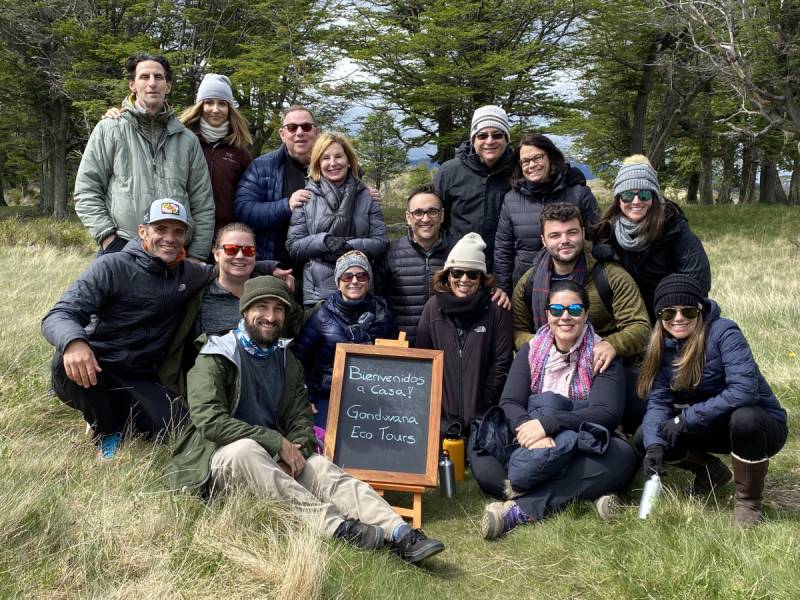
Gondwana Ecotours builds these principles into every departure, following the standards outlined in our Animal Welfare Policy and on our sustainability page.
For more details about what is included in our itineraries, please visit our tour pages before booking.
Wildlife sightings are never guaranteed, but responsible behavior on the trail protects the chance of one for the next traveler as well. Download our travel details for the most accurate picture of what the Costa Rica: Secluded Wildlife Adventure itinerary actually includes.