Costa Rica Eco Tours That Put the Forest Before the Footprint
Download Travel Details >PRIVATE & SMALL GROUP TOURS TO THE WORLD'S BEST DESTINATIONS
Ready To Join Us For An Adventure In Costa Rica!


Choose Costa Rica Ecotours That Protect What They Show You
The word ecotour gets used loosely enough in travel marketing that it has started to mean almost nothing on its own. A resort with a recycling bin and a nature-themed logo can call itself an ecotour operator just as easily as a company that funds ranger salaries and hires exclusively from the communities it visits. The difference matters more in Costa Rica than almost anywhere else, since the country's conservation success depends directly on tourism dollars reaching the right places rather than simply passing through on their way to a foreign-owned resort chain.
The Instituto Costarricense de Turismo has spent decades promoting sustainable, small-scale tourism as a national strategy rather than a marketing angle, which means Costa Rica gives travelers more ways than most countries to tell a genuine ecotour from one in name only.
What Makes an Ecotour Different
A genuine ecotour is built around three things a standard vacation package rarely prioritizes: minimizing environmental impact, funding conservation directly or indirectly, and channeling economic benefit to local communities rather than outside investors. Small group sizes, locally hired guides, and lodges built with the surrounding ecosystem in mind are the practical signs that a company is actually operating this way rather than borrowing the language. None of these signs require taking a company's word for it. They can each be checked and confirmed before booking.
Travelers can usually tell the difference by asking specific questions. A company that can explain exactly where tour revenue goes, and can name the local guides and lodges it works with, is operating differently than one offering only a general sustainability statement.
The Value of Local Naturalist Guides
Guides who grew up in the region they work in bring a level of knowledge that no amount of training elsewhere can fully replace. They recognize a bird by its call before it appears, know which trail a jaguar has been using recently, and understand the seasonal patterns that determine where wildlife concentrates at any given time of year.
That local knowledge also has a conservation dimension. Guides with deep roots in a region tend to have a personal stake in protecting it, and many work directly with local conservation organizations, research stations, or community reforestation projects outside of their guiding work. Some guides split their time between tourism and active field research, tagging turtles or monitoring camera traps during the off season, which means the knowledge they share on a trail often comes directly from ongoing scientific work rather than a training manual. Our overview of ecotourism activities across Costa Rica and our roundup of adventurous activities in Costa Rica both cover a few examples of this kind of guide-led experience.
Small Groups and Quieter Wildlife Encounters
Large tour groups change wildlife behavior simply through volume and noise, pushing animals deeper into cover and reducing sighting quality for everyone involved. Smaller groups move more quietly, spread out less disruptively on narrow trails, and give guides more flexibility to adjust pacing around what the group is actually seeing rather than a fixed schedule.
Group size also affects the communities being visited. A small group staying at a locally owned lodge spends money in a way that stays closer to the community, while a large tour bus moving through the same area often bypasses local businesses entirely. The difference compounds over a season, since a lodge or restaurant that depends on small, steady groups tends to invest differently in its staff and surroundings than one geared toward high volume, quick turnover visits.
Lodges Connected to Conservation
The best ecotour lodges in Costa Rica do more than minimize their own footprint. Many actively fund reforestation, wildlife monitoring, or research partnerships on their own property, turning a place to sleep into part of the conservation story itself. Research organizations like Osa Conservation, which partners with lodges and operators near Corcovado, show what this kind of direct connection can look like in practice.
Staying at a lodge with this kind of partnership gives travelers a more direct line to the conservation work their trip supports, rather than a vague sense that tourism dollars are doing some unspecified amount of good. Our piece on Costa Rica farm tours covers a related model, where sustainable agriculture and tourism revenue support the same rural communities.
Photographing Animals Without Changing Their Behavior
Flash photography, close approaches, and calling out to draw an animal's attention all change wildlife behavior in ways that add up across thousands of visitors a year, even when any single interaction seems harmless. A longer lens and a patient guide willing to wait for a better angle almost always produce a better photograph than closing the distance would, and the animal is spared the disturbance either way.
Our birdwatching guide covers a few of the practices that keep photography from disturbing the wildlife being photographed, a distinction that matters more in high-traffic parks than travelers often realize.
How Gondwana Ecotours Approaches Costa Rica Travel
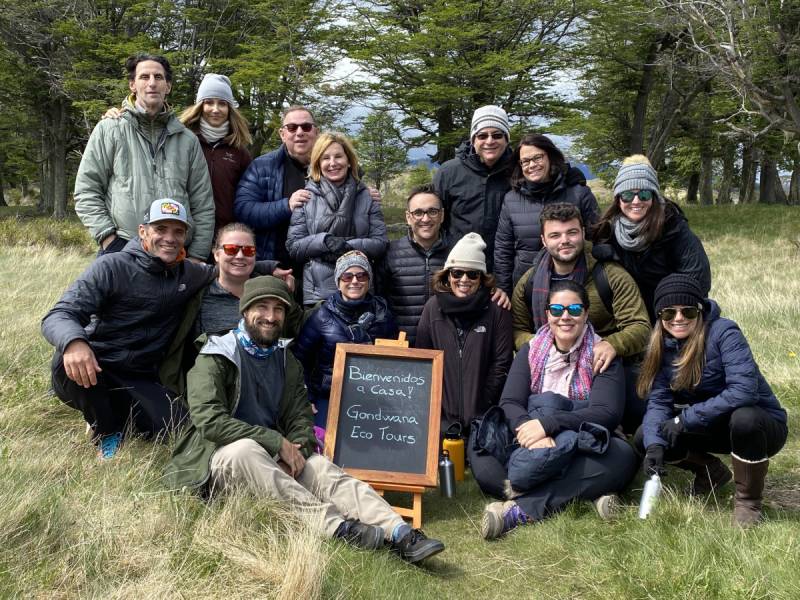
Gondwana Ecotours builds the Costa Rica: Secluded Wildlife Adventure around small group sizes, local naturalist guides, and lodges chosen specifically for their conservation partnerships rather than convenience alone. Every departure follows the viewing distance and behavior standards outlined in our Animal Welfare Policy, and our sustainability page details the carbon accounting and local partnership model behind each trip.
None of this makes the itinerary slower or less adventurous. It simply means the choices behind the itinerary, which lodge, which guide, which trail, get made with conservation impact as a real factor rather than an afterthought.
Explore Costa Rica in a Way That Helps Protect It
Costa Rica's conservation success was never guaranteed, and it depends on tourism dollars continuing to flow toward the guides, lodges, and communities doing the actual work of protecting the country's forests and wildlife. That flow of funding is fragile enough that a single bad season of low-quality, high-volume tourism could undo decades of careful, patient work.
Gondwana Ecotours built its Costa Rica itinerary around that principle from the start, treating conservation impact as a design choice rather than a marketing claim added after the fact. Every decision behind the trip, from lodge selection to guide hiring, reflects that same standard.
For more details about what is included in our itineraries, please visit our tour pages before booking.
Wildlife sightings are never guaranteed, but a well-run ecotour improves the odds while protecting the habitat that makes them possible at all. Download our travel details for the most accurate picture of what the Costa Rica: Secluded Wildlife Adventure itinerary actually includes.