The Wildlife of Costa Rica, from Cloud Forests to Caribbean Wetlands
Download Travel Details >PRIVATE & SMALL GROUP TOURS TO THE WORLD'S BEST DESTINATIONS
Ready To Join Us For An Adventure In Costa Rica!


Experience Costa Rica's Wildlife From Cloud Forest to Coast
Costa Rica covers about a third of one percent of the earth's land surface, yet it holds close to five percent of the world's known species. That number only makes sense once you see how many distinct ecosystems the country packs into such a small footprint. A single week of travel can move a visitor from misty highland cloud forest to humid lowland rainforest to Caribbean wetland, and the wildlife changes completely at every stop.
Research stations like the La Selva Biological Station, run by the Organization for Tropical Studies in the Caribbean lowlands, have spent decades documenting exactly how much life these overlapping ecosystems support. That density is also why a Costa Rica trip built around ecosystems, rather than a single park, tends to produce the widest range of wildlife sightings.
Why Costa Rica Supports Extraordinary Biodiversity
Costa Rica sits at the narrow land bridge between North and South America, which means species from both continents overlap here in a way that happens almost nowhere else. Add dramatic elevation changes, from sea level to over 12,000 feet, and steady rainfall on most of the Caribbean side, and the result is a country with more bird species than the United States and Canada combined, packed into an area smaller than West Virginia.
That overlap is not evenly distributed. A traveler who only visits one region sees a fraction of what the country holds, which is part of why pairing ecosystems on a single trip matters more than picking the single most famous park. A cloud forest three hours from a rainforest can hold almost no species overlap at all, since elevation changes the temperature, humidity, and available food enough to favor an entirely different set of animals.
This is also why Costa Rica's protected land network matters so much to wildlife viewing. Corridors connecting one park to the next allow species to move between habitats rather than being trapped in isolated fragments, which keeps population numbers healthier and sighting odds higher for visitors who know where to look.
Wildlife Across Rainforests, Wetlands, Coasts, and Highlands
Each ecosystem in Costa Rica supports its own signature wildlife, and knowing the pattern helps travelers set realistic expectations before they arrive.
- Lowland rainforest supports scarlet macaws, tapirs, and all four of the country's wild cat species, concentrated most densely on the Osa Peninsula
- Cloud forest, cooler and often shrouded in mist, is the best chance most travelers get at spotting a resplendent quetzal
- Caribbean wetlands and canals support caimans, river otters, and the green sea turtles that nest along Tortuguero's beaches
- Pacific coastline and mangrove estuaries bring migrating humpback whales, roseate spoonbills, and dense populations of howler and capuchin monkeys close to the shoreline
Our overview of wildlife activities across the country's parks breaks down which ecosystems pair well together on a single itinerary.
How Seasons Influence Animal Activity
Costa Rica's two seasons shape wildlife behavior as much as they shape the weather. During the dry season, roughly December through April, animals concentrate around shrinking water sources, which can make sightings easier in certain parks. During the green season, May through November, the forest fills with migratory birds, breeding amphibians, and the courtship displays that come with the height of the reproductive calendar.
Sea turtle nesting on the Caribbean coast follows its own calendar entirely, peaking during the wetter months rather than avoiding them. Tortuguero National Park's official guidelines regulate exactly how close visitors can get during nesting season, since disturbing a nesting turtle can cause her to abandon the attempt entirely. Anyone planning a trip around a specific species should build the itinerary around that animal's season first, and pick supporting destinations second. Our piece on birdwatching in Costa Rica covers seasonal timing for several sought-after species.
Learning to See More Than the Obvious
A sloth motionless in a cecropia tree, a poison dart frog the size of a fingernail, an anole matched perfectly to a leaf's shade of green. Costa Rica's wildlife rewards patience and a trained eye more than it rewards speed. Guides who work the same trail week after week develop a kind of pattern recognition that takes visitors years to build on their own.
Night walks reveal an entirely different layer of the forest, since many of Costa Rica's most striking animals, including red-eyed tree frogs and kinkajous, are active only after dark. A trail that looks quiet at noon can be genuinely loud with movement two hours after sunset, once the daytime heat fades and nocturnal species start feeding. Our guide to hiking in Costa Rica covers a few of the trails where this kind of slow, attentive wildlife spotting pays off most.
Packing the right gear also changes how much a traveler notices. A decent pair of binoculars turns a distant shape in the canopy into an identifiable bird, and closed-toe shoes make it easier to stand still on wet, uneven ground instead of rushing past a sighting to find better footing. Our packing guide covers what to bring for Costa Rica's climate in more detail.
Photographing Wildlife Responsibly
Flash photography disturbs nocturnal animals and can affect the vision of species active at night, which is why most reputable guides ask visitors to avoid it entirely on night walks. Keeping distance matters just as much as gear. A longer lens that lets a photographer stay back does more for both the animal and the photograph than moving closer ever will.
Gondwana Ecotours builds every itinerary around our Animal Welfare Policy, which sets clear standards for viewing distance and behavior around wildlife. Following those same standards independently is one of the simplest ways any traveler can protect the animals they came to see.
The Value of Traveling with Experienced Naturalists
The difference between a guided wildlife walk and a self-led one usually comes down to what gets missed. A naturalist who spots a sloth's silhouette from fifty yards, or recognizes a bird by its call before it appears, turns a quiet trail into a full morning of sightings. That expertise also protects wildlife, since experienced guides know how close is too close and when to simply back away.
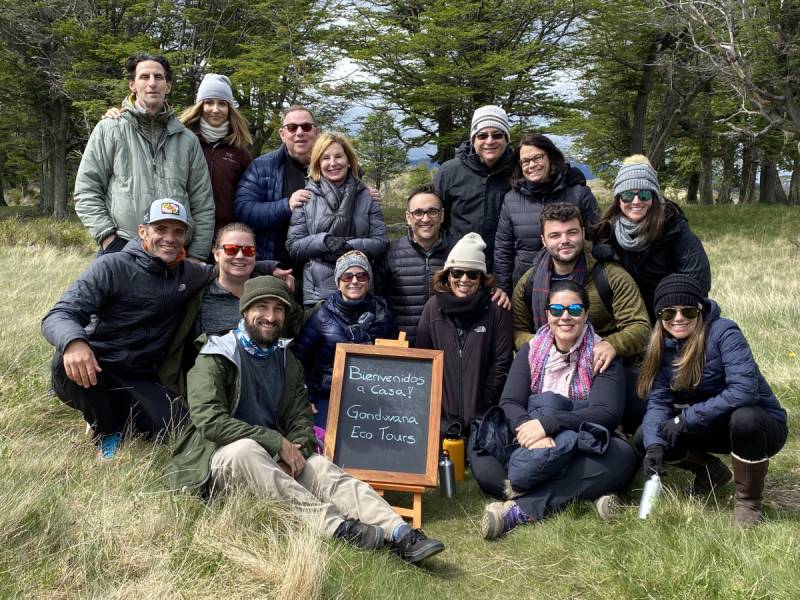
Gondwana Ecotours pairs every group on the Costa Rica: Secluded Wildlife Adventure with local naturalist guides who work the same regions year-round. Our broader look at ecotourism in Costa Rica explains how that guiding model supports conservation funding at the same time.
Experience Costa Rica Through the Wildlife That Defines It
Costa Rica's wildlife is not scattered evenly across the map. It shows up in specific ecosystems, at specific times of year, to travelers willing to move slowly enough to notice it.
Gondwana Ecotours built its Costa Rica itinerary around that pattern, moving small groups between rainforest, wetland, and coast with naturalist guides who know exactly where each season's wildlife is most active.
For more details about what is included in our itineraries, please visit our tour pages before booking.
Wildlife sightings are never guaranteed, but timing a trip to the right ecosystem and season gives travelers the best odds of seeing what they came for. Download our travel details for the most accurate picture of what the Costa Rica: Secluded Wildlife Adventure itinerary actually includes.