Wildlife in Peru and Bolivia: What You Can Expect to See
Download Travel Details >PRIVATE & SMALL GROUP TOURS TO THE WORLD'S BEST DESTINATIONS
Peru & Bolivia: From Salt Flats to Sacred Lakes Adventure


Peru and Bolivia Wildlife Guide for Eco-Minded Tour Travelers
Peru and Bolivia are known for dramatic mountain scenery, ancient civilizations, and landscapes that you can't find anywhere else in the world. But for many travelers, the wildlife in Peru and Bolivia is often the biggest surprise of the trip. While this isn't a destination where you'll spend all day searching for animals like you might on an African safari, wildlife has a way of becoming an unforgettable part of the journey. From soaring condors and wild camelids to colorful flamingos and rare amphibians found nowhere else on Earth, Peru and Bolivia offer countless opportunities to experience South America's remarkable biodiversity.
One of the things that makes wildlife viewing here so rewarding is that it often happens naturally. You don't have to venture far off the beaten path or book a dedicated wildlife excursion. As you travel between archaeological sites, mountain villages, salt flats, and high-altitude lakes, you'll encounter animals that have adapted to some of the planet's most extreme environments. The changing landscapes create equally diverse habitats, making every travel day feel a little different from the last.
If you're considering our Peru and Bolivia small group tour, this guide will give you a better idea of the wildlife you may encounter along the way and why these remarkable animals are such an important part of the experience.
Wildlife in Peru and Bolivia Is as Diverse as the Landscape
Few places in South America pack as much ecological diversity into one itinerary as Peru and Bolivia. During the course of a single trip, you'll travel through towering Andean peaks, windswept grasslands, alpine wetlands, volcanic deserts, and the shores of Lake Titicaca. Every change in elevation brings new scenery—and with it, different wildlife.
The Andes are one of the defining features of both countries, stretching thousands of miles along the western edge of South America. While the mountains create breathtaking scenery, they also provide unique habitats for animals that have evolved to thrive in thin air, intense sunlight, and dramatic temperature swings. Many of the species you'll encounter simply don't exist anywhere else.
Rather than spending hours searching for the wildlife in Peru and Bolivia on a small group tour, you'll often find yourself spotting animals while traveling between destinations. It might be a group of vicuñas grazing across the altiplano, flamingos feeding in a colorful lagoon, or an Andean condor riding warm air currents high above a mountain pass. These unexpected encounters often become some of the most memorable moments of the trip.
Meet the High-Altitude Wildlife of the Andes
The Andes are home to some of the most recognizable wildlife in Peru and Bolivia. While each species has adapted differently to life at altitude, they all share one thing in common—they're perfectly suited to an environment that can feel harsh to human visitors.
Some of the animals you're most likely to see include:
- Andean Condors – With wingspans reaching over 10 feet, these magnificent birds are among the largest flying birds in the world. Watching one effortlessly glide above deep valleys is an experience many travelers never forget.
- Vicuñas – Considered the wild ancestors of today's domesticated alpacas, vicuñas are prized for producing one of the world's finest natural fibers. They're commonly seen grazing across open grasslands throughout the altiplano.
- Guanacos – Close relatives of llamas and alpacas, guanacos are well adapted to life in high elevations and often travel in small family groups.
- Viscachas – These curious, rabbit-like rodents are actually more closely related to chinchillas. They love rocky outcrops where they can bask in the morning sun before disappearing into crevices when disturbed.
While wildlife sightings are never guaranteed, local guides understand the habits of these animals and know the areas where they're most commonly seen. Their experience often turns what could be an ordinary drive into an unexpected wildlife encounter.
The wildlife in Peru and Bolivia also reflects the incredible variety of ecosystems found throughout the Andes. If you're interested in learning more about how elevation shapes these landscapes, our guide to Argentina's ecosystems from the Pampas to the Andes Mountains offers a helpful introduction to how mountain environments change as you climb higher.
The Flamingos of Bolivia's High-Altitude Lagoons
For many visitors, seeing flamingos at more than 14,000 feet above sea level feels almost surreal. Yet Bolivia's altiplano is one of the best places in the world to observe these elegant birds in their natural habitat.
The shallow mineral-rich lagoons scattered across southwestern Bolivia create ideal feeding grounds for three different flamingo species:
- Andean Flamingo
- James's Flamingo (also called the Puna Flamingo)
- Chilean Flamingo
Seeing all three species during the same journey is surprisingly common, something that few destinations anywhere in the world can offer. Depending on the season, hundreds or even thousands of flamingos may gather in the lagoons, creating brilliant splashes of pink against the stark volcanic landscape.
The surrounding scenery only adds to the experience. Snow-capped volcanoes, colorful mineral deposits, steaming geothermal features, and expansive salt flats create a backdrop that feels almost otherworldly. It's one of those places where tourists often forget to take pictures and simply spend time taking in the area's incredible sights.
Lake Titicaca Is Home to Wildlife Found Nowhere Else
Lake Titicaca is famous for its floating reed islands, rich Indigenous culture, and distinction as the world's highest navigable lake. What many travelers don't realize is that it also supports several species found nowhere else on Earth.
The most famous resident is undoubtedly the Titicaca water frog, an unusual amphibian that has adapted to the lake's cold, oxygen-poor waters by developing loose folds of skin that help it absorb oxygen more efficiently. It's one of the most fascinating examples of how wildlife evolves to survive in challenging environments.
The lake and its surrounding wetlands also attract a wide variety of waterbirds throughout the year, making the region especially rewarding for bird enthusiasts. While many visitors arrive expecting spectacular scenery and fascinating cultural experiences, they often leave talking about the wildlife they encountered along the shoreline.
If you're planning to spend time exploring the lake, our Lake Titicaca travel guide covers what to expect, how to prepare, and why this remarkable destination remains one of the highlights of any Peru and Bolivia itinerary.
Birdwatching in Peru and Bolivia Is a Rewarding Experience
You don't have to be an avid birder to appreciate the incredible variety of birdlife found throughout Peru and Bolivia. In fact, many travelers who have never given birdwatching much thought quickly discover themselves looking skyward whenever their group stops. Whether it's a flash of brilliant color in the cloud forest or a massive condor soaring overhead, the birds here have a way of capturing your attention.
Peru is considered one of the world's best birding destinations, with more than 1,800 recorded bird species. That incredible diversity is largely due to the country's wide range of ecosystems, from Amazon rainforest and cloud forest to coastal deserts and the towering Andes. While our Peru and Bolivia itinerary isn't designed as a dedicated birding expedition, you'll still have opportunities to see an impressive variety of species throughout the journey.
Depending on where you are along the route, keep an eye out for:
- Colorful hummingbirds darting between flowering plants in cloud forest habitats.
- Mountain tanagers and other high-altitude songbirds adapted to life in the Andes.
- Waterfowl and shorebirds gathering around the wetlands and lakes of the altiplano.
- Raptors, including hawks, eagles, and of course the iconic Andean condor.
One of the pleasures of traveling through these regions is that every day brings a different landscape—and different birds to match. Even travelers who don't consider themselves bird enthusiasts often find that these unexpected sightings become one of their favorite memories of the trip.
Other Mammals You May Encounter Along the Way
Although vicuñas and guanacos are the mammals most travelers remember, they're certainly not the only wildlife in Peru and Bolivia that you'll encounter.
Early mornings and quieter stretches of the journey can reveal animals that are a bit more elusive. Andean foxes occasionally make appearances as they move across open grasslands, while viscachas can often be spotted perched among rocky slopes, especially during the cooler hours of the day. If you're lucky, your guide may point out species that many visitors would otherwise overlook.
Unlike destinations where wildlife gathers around watering holes or open savannas, animals in Peru and Bolivia are often woven into the landscape itself. Their natural camouflage and the vastness of the terrain make local knowledge especially valuable. Experienced guides know when to slow down, where to scan distant hillsides, and which habitats are most likely to produce memorable sightings.
That's one of the advantages of traveling in a small group. With fewer people, it's easier to stop safely, share sightings, and enjoy the experience without feeling rushed.
Why Small Group Tours Offer Better Wildlife Experiences
Encountering wildlife in Peru and Boliva is almost always more rewarding when it happens naturally. Rather than chasing animals or crowding around them for the perfect photograph, our tours emphasize patience, observation, and respect for the environments we're visiting.
Small groups make that possible. With fewer travelers, guides can be more flexible when opportunities arise. If someone spots condors circling overhead or a herd of vicuñas grazing nearby, there's often time to pause, appreciate the moment, and learn more about the animals without disrupting their natural behavior.
This slower pace also encourages travelers to notice details they might otherwise miss. Sometimes the most memorable wildlife encounter isn't the largest animal—it might be watching a hummingbird hover just a few feet away or spotting a well-camouflaged viscacha blending into the surrounding rocks.
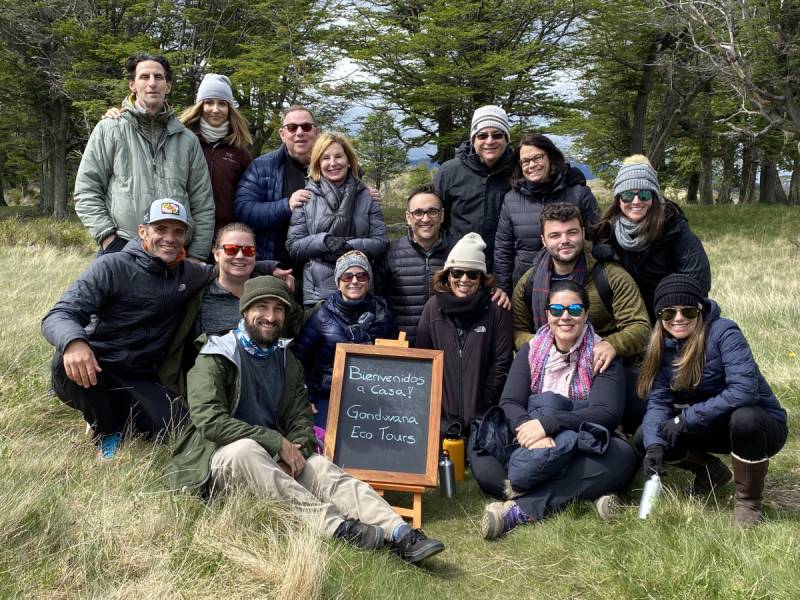
Responsible wildlife viewing has always been an important part of how Gondwana Ecotours approaches travel. Our goal isn't simply to check animals off a list but to help travelers better understand the ecosystems that support them.
That philosophy aligns with Gondwana's Animal Welfare Policy, which encourages respectful wildlife encounters while supporting conservation efforts and responsible tourism throughout the destinations we visit.
Traveling Responsibly Helps Protect These Remarkable Ecosystems
Many of the animals you'll encounter during a Peru and Bolivia tour depend on fragile, high-altitude habitats that have remained relatively untouched for centuries. Wetlands, alpine grasslands, mountain valleys, and protected reserves all play an important role in supporting wildlife across the Andes.
Responsible tourism helps preserve these places for future generations. Staying on designated trails, respecting wildlife from a distance, and traveling with operators committed to sustainable practices all contribute to protecting the landscapes that make these experiences possible.
If you're curious about the broader principles behind sustainable travel, our guide explaining what ecotourism really means offers a closer look at how thoughtful travel can benefit both local communities and the natural world.
According to Peru's National Service of Natural Protected Areas (SERNANP), protected parks and conservation areas play a vital role in preserving many of the country's most iconic species and fragile ecosystems. Likewise, the official Peru tourism website highlights the country's extraordinary biodiversity and the importance of responsible travel when exploring these remarkable landscapes.
Experience Peru and Bolivia's Wildlife for Yourself
Wildlife may not be the first thing that comes to mind when people think about Peru and Bolivia, but it's often one of the things they remember most. Whether it's watching an Andean condor glide effortlessly across a mountain valley, seeing hundreds of flamingos gathered in a shimmering high-altitude lagoon, or spotting a curious vicuña grazing against the backdrop of the Andes, these moments add another layer to an already unforgettable journey.
The beauty of this itinerary is that wildlife in Peru and Bolivia isn't confined to a single destination. It becomes part of the experience from beginning to end, revealing itself as you travel through some of South America's most spectacular landscapes.
If you're planning your own adventure, be sure to browse our complete collection of Peru and Bolivia travel tips for helpful planning advice, destination guides, and inspiration before you leave.
When you're ready to experience these incredible landscapes—and the wildlife that calls them home—download our Peru and Bolivia: From Salt Flats to Sacred Lakes Adventure brochure to learn more.