Can You See the Northern Lights from Massachusetts?
PRIVATE & SMALL GROUP TOURS TO THE WORLD'S BEST DESTINATIONS
Are You Planning A Trip To See The Northern Lights?

Can You See the Northern Lights in Massachusetts? Aurora Viewing Guide
Massachusetts may offer charming coastlines and stargazing potential — but when it comes to the Northern Lights, it’s not a realistic destination. You might wonder, “Can you see the aurora borealis in Massachusetts?” The truth: it’s extremely rare and usually only under exceptional solar conditions.
Is Aurora Viewing Possible in Massachusetts?
Massachusetts sits well south of the auroral oval. While not as far south as other U.S. states, it is still outside the usual range of aurora activity. During major geomagnetic storms (KP 7 or above), faint glows might be visible in the far northern rural parts of the state, but these events are rare and unpredictable.
When Could Massachusetts Catch a Glimpse?
Massachusetts lies far enough north that the northern lights can occasionally be seen during strong geomagnetic storms. While not an everyday occurrence, auroras sometimes reach New England skies, appearing as green or red glows near the horizon and, in rare cases, stretching into arcs or vertical light pillars overhead. The farther north and west you go in the state, the better the chances, particularly in rural areas with darker skies.
How to Maximize Your Chances
- Follow NOAA SWPC forecasts and look for G3–G5 geomagnetic storm alerts, which are typically needed for auroras to reach Massachusetts.
- Seek out dark-sky areas such as the Berkshires, Cape Cod National Seashore, or rural central and western Massachusetts for the best views.
- Plan for clear nights with low humidity, since haze or coastal cloud cover can obscure faint auroral activity.
- Use long-exposure photography with a tripod, as the camera may capture brighter colors and details than the human eye can perceive during weaker displays.
Can You See the Northern Lights in Boston or Worcester?
No. Light pollution and latitude make it nearly impossible to view auroras in Boston, Worcester, or other urban centers. These locations are simply not viable for reliable Northern Lights viewing.
Are There Any Slight Possibilities?
- Far Northern Massachusetts: Rural towns near the New Hampshire border may offer a slim chance during the most intense solar storms.
- Dark Sky Locations: Elevated, low-light areas far from cities could be candidates — but visibility remains extremely unlikely.
Global Aurora Activity Outlook (2026–2030)
The following forecast reflects predicted global auroral activity based on Solar Cycle 25. It does not indicate Massachusetts-specific visibility, which remains minimal regardless of solar activity increases.
| Year | Global Aurora Activity Forecast | Notes |
|---|---|---|
| 2026 | ⭐⭐⭐⭐⭐ Very High | Peak of Solar Cycle 25. Strongest global activity expected this year. |
| 2027 | ⭐⭐⭐⭐½ Extremely High | High likelihood of continued storms worldwide, especially at high latitudes. |
| 2028 | ⭐⭐⭐ Moderate to High | Declining activity, but still good potential for northern states and Canada. |
| 2029 | ⭐⭐ Low to Moderate | Fewer geomagnetic events. Limited global aurora visibility. |
| 2030 | ⭐ Low | Solar Cycle 25 ends. Aurora activity drops significantly. |
Where to Go for Real Aurora Viewing
For a legitimate shot at seeing the Northern Lights, we recommend heading farther north. Explore more dependable destinations in our guide: Top U.S. States for Northern Lights Viewing.
Sources: NOAA Space Weather Prediction Center, NASA, Aurora Tracks, Space.com
Download all three Alaska tour brochures for tour dates and pricing.
Can I See The Northern Lights In North America?
We made it easy for you to know where in the USA you can see the Northern Lights. See a list of states below and how likely you would be to see the Northern Lights beside each state.
Filter by Aurora Visibility:
- Alabama (Not Likely)
- Alaska (Best Aurora Viewing!)
- Arizona (Low)
- Arkansas (Low)
- California (Low)
- Colorado (Moderate)
- Connecticut (Low)
- Delaware (Low)
- Florida (Not Likely)
- Georgia (Low)
- Hawaii (Not Likely)
- Idaho (Moderate)
- Illinois (Low)
- Indiana (Low)
- Iowa (Moderate)
- Kansas (Low)
- Kentucky (Low)
- Louisiana (Low)
- Maine (High Chances of Aurora Viewing)
- Maryland (Low)
- Massachusetts (Low)
- Michigan (High Chances of Aurora Viewing)
- Minnesota (High Chances of Aurora Viewing)
- Mississippi (Low)
- Missouri (Low)
- Montana (High Chances of Aurora Viewing)
- Nebraska (Moderate)
- Nevada (Low)
- New Hampshire (Moderate)
- New Jersey (Low)
- New Mexico (Low)
- New York (Moderate)
- North Carolina (Low)
- North Dakota (High Chances of Aurora Viewing)
- Ohio (Low)
- Oklahoma (Low)
- Oregon (Low)
- Pennsylvania (Moderate)
- Rhode Island (Low)
- South Carolina (Low)
- South Dakota (High Chances of Aurora Viewing)
- Tennessee (Low)
- Texas (Low)
- Utah (Low)
- Vermont (High Chances of Aurora Viewing)
- Virginia (Low)
- Washington (Moderate)
- West Virginia (Low)
- Wisconsin (High Chances of Aurora Viewing)
- Wyoming (Moderate)
If you’re interested in traveling with us, we’ve found Alaska to be the best destination. Learn about our adventure here: Northern Lights Tour in Fairbanks, Alaska
About Gondwana Ecotours
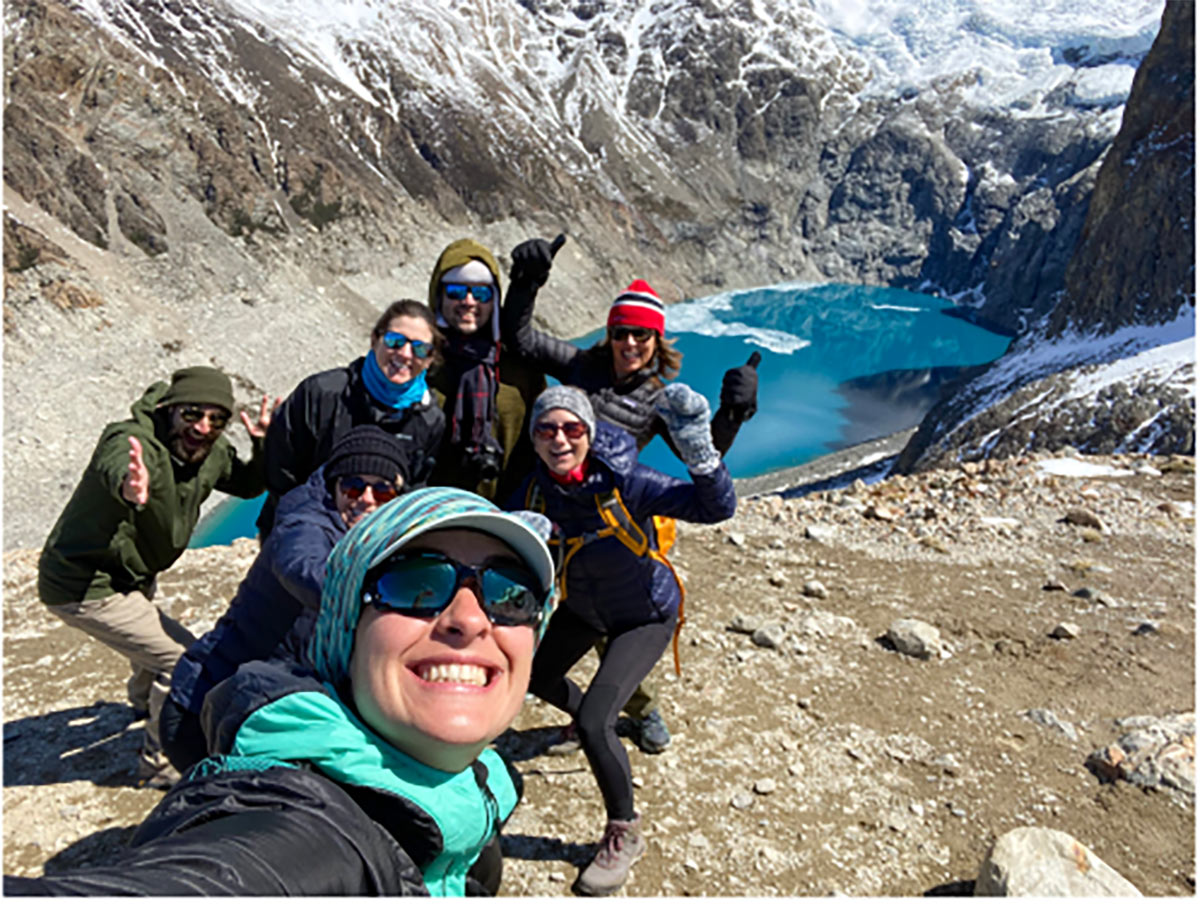
Gondwana Ecoutours specializes in small group and private tours to bucket list destinations around the world. Our itineraries are carefully curated to include both unique nature and culture and fun activities are suitable to most travelers. Traveling with guides who live in the communities we visit add depth and authenticity to the experience.
| See All Tours > |