Sloth Watching Costa Rica: A Guide to Small Group Wildlife Tours
Download Travel Details >PRIVATE & SMALL GROUP TOURS TO THE WORLD'S BEST DESTINATIONS
Ready To Join Us For An Adventure In Costa Rica!


Where to See Sloths in Costa Rica
For many travelers planning a vacation to Costa Rica, seeing a three-toed sloth in its natural habitat tops their bucket list. Sloth watching Costa Rica is considered an almost magical experience because it offers tourists the rare opportunity to observe these elusive, “smiling” creatures in their natural, tropical habitat. Standing quietly beneath a rainforest canopy and scanning the treetops brings an unforgettable reward for patient travelers – a sloth, curled up among the branches!
Costa Rica is a top destination for biodiversity, offering travelers the opportunity to see both two-toed and three-toed sloths in the wild, particularly with the help of expert guides who can spot them camouflaged in the canopy. A small group wildlife tour Costa Rica is one way to create an unforgettable sloth-watching encounter – a personal, sustainable, and meaningful experience that will stay with you long after you return home.
Why Sloth Watching Costa Rica is Special
Travelers from around the world are drawn to sloth watching Costa Rica. The experience goes far beyond simply spotting an animal – it’s about immersing yourself in a slower, more mindful way of observing nature.
#1: High Probability of Sightings
Unlike other regions where sloths can be difficult to find, Costa Rica offers remarkably consistent sightings. Many sloths live in secondary growth forests and even near roadsides, especially in well-known national parks like La Fortuna, Manuel Antonio, and on the Osa Peninsula.
#2: The Pura Vida Philosophy
Sloths embody Costa Rica’s famous Pura Vida lifestyle. Moving slowly – sometimes less than 41 yards a day – and sleeping up to 20 hours daily, they inspire visitors to slow down, relax, and appreciate the present moment.
#3: Unique Natural Behaviors
Observing sloths in the wild reveals fascinating behaviors. Visitors may see them hanging effortlessly upside down, swimming surprisingly well, or even descending from the trees for their once-a-week bathroom routine.
#4: Expert Guided Tours
Local guides elevate the experience with trained eyes and specialized equipment like telescopes. They also know where to see sloths in Costa Rica! This allows travelers to enjoy incredibly clear, close-up views without disturbing the animals, creating a respectful, “zoo-like” experience in their natural habitat.
#5: Support for Conservation
Ethical tourism plays a direct role in protecting sloths. Visiting reputable sanctuaries such as the Toucan Rescue Ranch or the Sloth Sanctuary of Costa Rica helps fund rescue, rehabilitation, and reintroduction programs.
#6: Charming Appearance
It’s impossible to ignore the appeal of these animals! With their gentle expressions, slow movements, and soft, furry appearance, sloths have a natural charm that captivates wildlife lovers of all ages.
In the end, what makes sloth watching Costa Rica truly special isn’t just the animals themselves, but the way the experience encourages a deeper connection to nature. It’s a reminder that sometimes the most meaningful travel moments happen when you simply slow down and look up.
Why Choose a Small Group Wildlife Tour Costa Rica
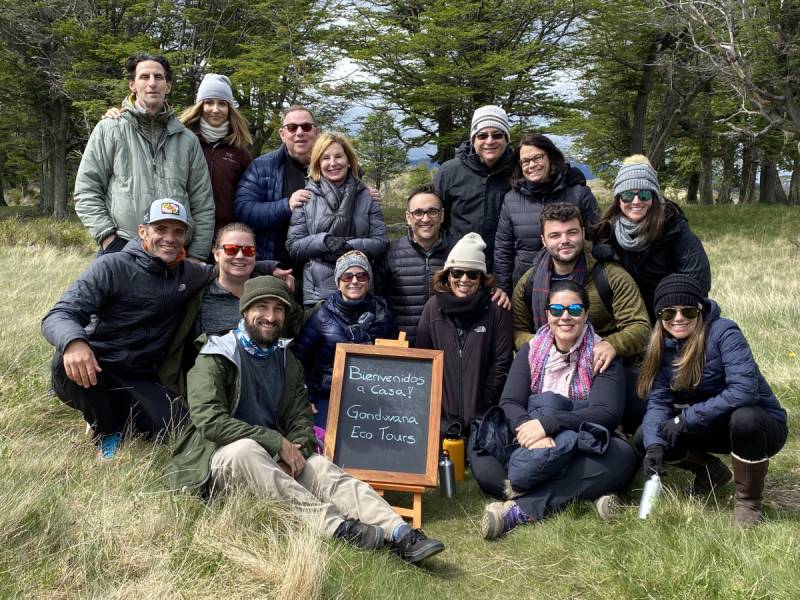
Traveling in a smaller group can completely change the experience of sloth watching in Costa Rica. Small group tours, like the ones hosted by Gondwana Ecotours, allow visitors to slow down, listen to the forest, and allow wildlife encounters to happen naturally and without pressure. This slower pace is especially important when searching for sloths, as their stillness and camouflage require patience, observation, and a quiet environment to ensure a sighting.
A small group wildlife tour Costa Rica experience offers travelers an in-depth look at local ecosystems. With fewer people to manage, tour guides can spend more time explaining sloth behavior, pointing out subtle movements in the canopy, and sharing insights about the surrounding plants and animals with travelers. This personalized approach not only increases the chances of spotting sloths,= but also makes each sighting more meaningful.
Not only are small group tours better for tourists, but they are also good for the sloths themselves! Fewer people in each group means less noise, less disruption, and a lower environmental impact overall, which helps preserve the environment of these sensitive animals. A quieter, more intimate setting also creates a deeper connection between travelers and the rainforest, turning a simple wildlife sighting into a memorable, immersive experience that explores how these animals live, feed, and interact with their surroundings.
Where to See Sloths in Costa Rica
One of the most common questions travelers ask is where to see sloths in Costa Rica. The good news is that it’s easier than you think to spot sloths in Costa Rica! The country offers several regions where sightings are not only frequent but also conducted responsibly and ethically.
Sloths thrive in protected forests with abundant food sources and healthy tree cover. With the help of experienced guides, visitors can often spot both two-toed and three-toed sloths high in the canopy, blending almost perfectly into their surroundings.
Top sloth-spotting locations in Costa Rica include:
- Manuel Antonio National Park: Known for high sloth density and accessible trails, Manuel Antonio is one of the best places in the country for reliable sloth sightings. The park’s well-maintained trail system makes it easy for visitors of all experience levels to explore, while its dense vegetation provides an ideal habitat for sloths.
- La Fortuna / Arenal region: The La Fortuna area, near the Arenal Volcano, offers a balance of adventure and wildlife. Sloths are commonly found not only in protected reserves but also within eco-lodges and private properties designed to preserve natural habitats.
- Monteverde Cloud Forest: Monteverde offers a completely different ecosystem, with misty cloud forests and cooler temperatures. While sloths can be a bit more challenging to spot here due to dense foliage, the experience feels more remote and immersive. The region’s extraordinary biodiversity means that even while searching for sloths, visitors will encounter a wide variety of birds, insects, and plant life found nowhere else in the country.
- Tortuguero National Park: Tortuguero is one of Costa Rica’s most remote and wild destinations, accessible mainly by boat. The park’s network of canals and thick jungle creates a rich environment for wildlife, including sloths. Exploring the park by boat adds a unique dimension to the experience, allowing travelers to quietly observe animals along the waterways while minimizing impact on the environment.
Each of these destinations offers travelers something slightly different, from easy access and frequent sightings to remote, off-the-beaten-path adventures. No matter where you go, the emphasis on conservation and responsible tourism ensures that sloth watching remains a sustainable and rewarding experience for everyone!
How Ecotourism Shapes Small Group Wildlife Tours
Costa Rica is widely recognized as a global leader in ecotourism, setting the standard for how travel can support both conservation and community development. The country’s long-term commitment to protecting its natural resources while creating sustainable economic opportunities has shaped the way wildlife tours are designed and experienced across the globe.
This philosophy is deeply embedded in every small group wildlife tour Costa Rica experience. Tour operators collaborate closely with conservation organizations, local guides, and nearby communities to ensure that tourism not only minimizes harm but also actively contributes to the protection of ecosystems and the well-being of the people who depend on them.
The core principles of ecotourism include:
#1: Protecting natural habitats and biodiversity
Tour operators prioritize visiting protected areas and maintaining strict guidelines that prevent damage to fragile ecosystems. These guidelines include staying on designated trails, keeping a respectful distance during wildlife encounters, and supporting national parks and reserves that provide safe habitats for sloths and countless other species.
#2: Minimizing environmental impact
Small group tours naturally reduce the strain on the environment by limiting foot traffic, noise, and waste. Many tour operators, like Gondwana Ecotours, also adopt eco-friendly practices such as using low-emission transportation, reducing single-use plastics, and partnering with eco-lodges that follow sustainable building and energy standards.
#3: Supporting local economies
Ecotourism ensures that tourism revenue stays within local communities. By hiring local guides, working with family-owned accommodations, and sourcing food and services locally, small group tours help create stable jobs and encourage communities to preserve their natural surroundings rather than exploit them.
#4: Educating travelers about conservation
A key part of ecotourism is awareness. Tour guides play an important role in teaching visitors about sloth behavior, rainforest ecosystems, and the challenges facing local wildlife. This education often inspires travelers to adopt more sustainable habits and become advocates for conservation in their home country (and beyond) after their trip ends.
These principles aren’t just theoretical – they are actively practiced across Costa Rica and are a major reason why the country continues to thrive as a top destination for responsible wildlife tourism. For travelers, this means every small group tour is not only an unforgettable experience but also a meaningful contribution to preserving the natural world.
Sustainable Sloth Watching Costa Rica Tours
Sustainability plays a huge role in how sloth tours are designed and operated. Ethical tour providers understand that the long-term survival of wildlife depends on responsible tourism and take great care to ensure that the experiences they provide follow sustainable practices.
Some of the most ethical tours operate under these guidelines:
- Limiting group sizes to reduce noise and disruption to all wildlife
- Maintaining safe distances from animals
- Avoiding physical interaction or feeding wildlife
- Using certified naturalist guides trained in conservation
- Supporting eco-friendly accommodations
These practices ensure that sloths can continue their slow, undisturbed lives – even as visitors observe them during a small group wildlife tour Costa Rica. In turn, travelers gain a more authentic and meaningful experience, knowing their presence supports conservation rather than disrupts it.
Local Communities and Small Group Wildlife Tours
One of the most powerful aspects of ecotourism in Costa Rica is its positive impact on local communities. Tourism revenue helps fund education, healthcare, and conservation programs. When travelers book a small group wildlife tour Costa Rica, they are often directly supporting local guides, family-owned lodges, and community initiatives.
Ecotourism directly benefits local communities by creating sustainable employment opportunities in rural areas, including jobs for local guides, cooks, and managers at eco-lodges; incentivizing local communities to protect forests and biodiversity, as well as local traditions and culture; and generating increased revenue for improvements to roads and schools. This creates a powerful cycle where conservation and community well-being grow together, ensuring long-term benefits for both people and the environment.
Choosing the Right Tour Operator: Sloth Watching Costa Rica
Not all tours are created equal, and choosing the right operator can make a huge difference in planning your experience. When researching where to see sloths in Costa Rica, it’s important to look beyond location and focus on the ethics and sustainability of the tour operator you choose.
Five key things to look for when planning your sloth watching Costa Rica experience are:
- Operators that ensure small group sizes (ideally under 10 people)
- Tours that employ certified and knowledgeable guides
- Businesses that project a clear commitment to conservation
- Tour groups that have positive relationships with local communities
- Guides that emphasize a policy of no handling or interference with wildlife
These factors ensure your experience is both enjoyable and responsible. By choosing your tour operator carefully, travelers can help protect sloths and their habitats while supporting a more sustainable future for wildlife tourism in Costa Rica.
Slow Travel, Meaningful Connections
Sloths are the perfect symbol of slow travel. They remind us to pause, observe, and appreciate the world around us. Through sloth watching Costa Rica, travelers don’t just see wildlife – they become part of a larger story about conservation, community, and sustainability.
By choosing a small group wildlife tour Costa Rica experience that emphasizes where to see sloths in Costa Rica responsibly, visitors help protect these incredible animals and the ecosystems they call home. In the end, it’s not just about checking a box on your travel bucket list. It’s about creating meaningful connections with nature, with people, and with a more sustainable way of exploring the world. Slowly – and sloth-like – of course!