5 Must-Visit Regions in Patagonia to See on Argentina Travel Tours
Download Travel Details >PRIVATE & SMALL GROUP TOURS TO THE WORLD'S BEST DESTINATIONS
Join Us In Argentina!

Argentina Travel Tours To Patagonia
Argentina travel tours offer an incredible opportunity to explore Patagonia, one of the most beautiful and remote regions in South America. Shared by Argentina and Chile, Patagonia stretches across a vast landscape of towering mountains, ancient glaciers, crystal-clear lakes, and wide-open plains. The Andes Mountains run along the western side of the region, creating some of the most spectacular scenery you'll find anywhere in the world. For travelers who love hiking, wildlife, and the great outdoors, Patagonia is a destination that's difficult to beat!

While both countries offer extraordinary adventures, the Argentinian side of Patagonia is especially popular with hikers and nature enthusiasts. Visitors can explore the trails of Los Glaciares National Park, walk along the viewing platforms overlooking Perito Moreno Glacier, or head to El Chaltén to hike beneath the towering peaks of Mount Fitz Roy. Our Patagonia and Mendoza adventure tour gives travelers an opportunity to experience some of Argentina's most remarkable landscapes while exploring the country's natural beauty with experienced guides.
But planning a trip to Patagonia takes a little preparation. The distances between destinations can be considerable, the weather can change quickly, and choosing the right time of year makes a big difference in what you'll be able to see and do. So, what should you know before booking Argentina travel tours? Let's explore the best places to visit, how to get around, and what makes this incredible region worth the journey.
Why Is Patagonia One of Argentina's Most Popular Adventure Destinations?
Patagonia is unlike anywhere else in Argentina. The region stretches from the northern lake districts to the southern reaches of Tierra del Fuego, covering an enormous area of mountains, grasslands, forests, and coastal wilderness. Much of the landscape feels remarkably untouched, with small towns separated by long stretches of open countryside. It's the kind of place where the scenery alone makes the journey worthwhile.
For outdoor enthusiasts, the biggest attraction is the variety of adventures available. You can spend one day hiking through mountain valleys, another admiring enormous glaciers, and another watching guanacos wander across the open plains. Argentina travel tours often combine several of these experiences, allowing visitors to discover different sides of Patagonia without having to arrange every detail themselves.
Another reason Patagonia attracts so many travelers is its extraordinary national parks. Argentina has protected some of the region's most impressive natural areas, preserving habitats for native wildlife while providing opportunities for hiking, photography, and guided exploration. Los Glaciares National Park, in particular, is one of the country's most famous destinations, thanks to its dramatic mountain scenery and enormous glaciers.
How Do You Get Around Patagonia on Argentina Travel Tours?
One of the first things you'll notice when planning an Argentina Patagonia trip is just how far apart everything is! Patagonia covers an enormous geographical area, and traveling between its major destinations can take several hours or even an entire day. That's why it's important to think carefully about which places you want to visit before deciding how much time to spend in the region.
For travelers hoping to explore several destinations, a trip of around 10 to 14 days can provide a good introduction to Patagonia. Shorter itineraries are certainly possible, especially if you concentrate on one area, but allowing extra time makes it easier to enjoy the scenery without feeling rushed. Remember, Patagonia is a place where the journey between destinations can be just as beautiful as the destination itself!
Should You Fly, Drive, or Take a Bus in Patagonia?
Most international travelers arrive in Argentina through Buenos Aires before continuing south. Domestic flights connect the capital with important Patagonian destinations such as El Calafate, Bariloche, and Ushuaia. Flying is generally the fastest way to cover the country's long distances, especially if your itinerary includes destinations in different parts of Patagonia.
Long-distance buses are another popular option. Argentina has an extensive intercity bus network, and many routes offer comfortable reclining seats designed for overnight travel. Although buses can be an economical way to explore, travel times are often lengthy. A journey that looks relatively short on a map may involve many hours on the road.
Renting a car gives travelers more flexibility, particularly in the northern lake district, where scenic roads connect mountain towns and national parks. However, some Patagonian roads are remote, and changing weather conditions can make driving more challenging. For visitors who prefer not to manage transportation and logistics themselves, guided Argentina travel tours offer a convenient alternative.
Are Small Group Tours a Good Way to Explore Patagonia?
Small group tours can be an excellent choice for travelers who want to experience Patagonia's natural beauty without worrying about every transportation detail. With experienced guides handling the itinerary, visitors can spend more time hiking, watching wildlife, and enjoying the landscapes that make this region so special.
Traveling with a smaller group also makes it easier to explore at a comfortable pace. There are opportunities to ask questions, learn about the local environment, and share the experience with other travelers who enjoy the outdoors. If you're considering a guided trip, our guide to choosing the best Patagonia tour vacation offers additional information about what to look for when planning your adventure.
When Is the Best Time to Visit Patagonia, Argentina?
The best time for Argentina travel tours depends largely on the activities you want to enjoy. Patagonia experiences four distinct seasons, and conditions can vary considerably between the northern lake district and the far southern regions. In general, the warmer months offer the best opportunities for hiking and outdoor exploration, while winter brings snow and a completely different atmosphere.
Because Patagonia is located in the Southern Hemisphere, its seasons are opposite those in North America. Summer runs from December through February, while winter lasts from June through August. Spring and fall can also be wonderful times to visit, particularly for travelers who prefer fewer crowds and don't mind cooler temperatures.
Why Is Summer the Most Popular Season for Argentina Travel Tours?
December through February is the busiest travel season in Patagonia, and it's easy to understand why! Longer daylight hours and generally milder temperatures make summer an excellent time for hiking, glacier excursions, and exploring national parks. Many of the region's most famous trails are accessible during these months, giving visitors more opportunities to experience the mountains up close.
However, Patagonia's summer weather isn't always predictable. Strong winds, sudden rain showers, and cool temperatures are common, even on otherwise sunny days. Dressing in layers and carrying waterproof clothing is important, especially if you plan to spend several hours hiking.
Summer is also when many Argentine residents take their vacations, so popular destinations such as El Calafate and El Chaltén can be busy. Accommodations and guided excursions may fill up well in advance, particularly around the holidays. If you're planning to travel during this season, making reservations early is a good idea.
Can You Visit Patagonia During the Winter?
Absolutely! Winter in Patagonia offers a completely different experience, with snow-covered mountains, quieter towns, and opportunities for skiing and other cold-weather activities. Northern destinations such as Bariloche and San Martín de los Andes are especially popular with winter sports enthusiasts.
However, winter travel requires more careful planning. Many hiking trails in southern Patagonia become difficult or inaccessible because of snow and ice, and some tourism services operate on reduced schedules. Shorter daylight hours also limit the amount of time available for outdoor excursions.
For travelers whose main goal is hiking around Mount Fitz Roy or exploring the trails of Los Glaciares National Park, the warmer months are generally a better choice. Winter can still be rewarding, but it's important to choose destinations and activities suited to the season.
Are Spring and Fall Good Times to Explore Patagonia?
Spring and fall are worth considering if you'd like to experience Patagonia without the busiest summer crowds. Spring brings longer days, blooming vegetation, and the return of more favorable hiking conditions. Fall, meanwhile, transforms some of the region's forests into beautiful shades of gold, orange, and red.
Weather during these shoulder seasons can be unpredictable, and some trails or excursions may be affected by snow or strong winds. Still, travelers who are comfortable with changing conditions may find these months especially rewarding. Our article about why you should visit Argentina and Patagonia offers more inspiration for planning your journey.
What Are the Five Patagonian Provinces in Argentina?
Argentina's Patagonia region is traditionally made up of five provinces: Neuquén, Río Negro, Chubut, Santa Cruz, and Tierra del Fuego. Each offers a different combination of landscapes, wildlife, and outdoor activities. While some are famous for mountain hiking and glacial lakes, others are better known for their coastal wildlife or remote southern scenery.
Understanding these regional differences can help you choose the right destinations for your Argentina travel tours. Rather than trying to visit all five provinces on one trip, many travelers concentrate on a few locations that match their interests. Here's what makes each part of Argentine Patagonia worth exploring.
1. Neuquén: Lakes, Mountains, and Scenic Hiking Trails
Neuquén is located in northern Patagonia, along Argentina's western border with Chile. The province is known for its beautiful mountain scenery, clear lakes, forests, and charming towns. San Martín de los Andes and Villa La Angostura are two popular destinations, offering access to some of the region's most scenic outdoor areas.
Lanín National Park is one of Neuquén's major attractions, with forests, lakes, and the impressive Lanín Volcano dominating the landscape. Visitors can explore hiking trails, enjoy kayaking and fishing, or simply admire the scenery from the lakeshore. The region is especially appealing to travelers who enjoy outdoor activities surrounded by mountains and water.
Neuquén is also a year-round destination. Summer brings excellent opportunities for hiking and lake activities, while winter attracts skiers to mountain resorts such as Chapelco. For travelers interested in exploring northern Patagonia, this province offers a wonderful combination of natural beauty and adventure.
2. Río Negro: Explore Bariloche and Argentina's Lake District
Río Negro stretches from the Andes Mountains to the Atlantic Ocean, giving the province a surprisingly diverse landscape. Its most famous destination is San Carlos de Bariloche, a picturesque mountain city surrounded by forests, lakes, and snow-capped peaks. Bariloche is often considered one of the gateways to northern Patagonia.
Nahuel Huapi National Park is a major attraction in the region, offering hiking trails, boat excursions, and spectacular views across the surrounding mountains. Nearby Los Arrayanes National Park protects a remarkable forest of arrayán trees, known for their distinctive cinnamon-colored bark. These natural areas make Río Negro especially popular with hikers and photographers.
The province also has an Atlantic coastline where visitors can experience a different side of Patagonia. Coastal areas around the San Matías Gulf support marine wildlife, including seasonal visits from southern right whales. For travelers who enjoy combining mountain scenery with coastal landscapes, Río Negro offers plenty of variety.
3. Chubut: Ancient Forests and Coastal Wildlife
Chubut is one of Patagonia's most geographically diverse provinces. In the west, the Andes Mountains create a landscape of ancient forests, glacial lakes, and scenic valleys. Along the Atlantic coast, visitors can encounter some of Argentina's most remarkable marine wildlife.
Los Alerces National Park is one of Chubut's most important natural attractions. Recognized as a UNESCO World Heritage Site, the park protects ancient Patagonian forests, including remarkable alerce trees that can live for thousands of years. Its lakes and mountain trails provide wonderful opportunities for hiking and exploring the region's natural history.
On the coast, Península Valdés is famous for its marine wildlife. Depending on the season, visitors may see southern right whales, elephant seals, sea lions, and other animals that gather along the shoreline. Chubut is an excellent destination for travelers who want their Argentina travel tours to include both mountain landscapes and wildlife encounters.
4. Santa Cruz: Glaciers, Mountain Peaks, and Incredible Hiking
Santa Cruz is home to some of Patagonia's most famous scenery, including Los Glaciares National Park, Perito Moreno Glacier, and Mount Fitz Roy. For many travelers, this province is the highlight of an Argentina Patagonia adventure. Its enormous glaciers, rugged mountains, and turquoise lakes create landscapes that seem almost too beautiful to be real!
El Calafate serves as the main gateway to Perito Moreno Glacier, while El Chaltén is known as Argentina's trekking capital. These two destinations provide access to some of the most rewarding outdoor experiences in southern Patagonia. Visitors can explore glacier viewpoints, hike through mountain valleys, and discover the extraordinary geological forces that shaped the region.
Santa Cruz is particularly appealing to travelers who want to experience Patagonia's dramatic wilderness. The combination of accessible viewpoints, challenging hiking trails, and protected natural areas makes it a favorite destination for guided Argentina travel tours.
5. Tierra del Fuego: Adventure at the End of the World
At the southern end of Argentina lies Tierra del Fuego, a region famous for its remote location and dramatic scenery. The provincial capital, Ushuaia, is often called the city at the end of the world. Surrounded by mountains and the waters of the Beagle Channel, Ushuaia is a gateway to some of the southernmost landscapes in South America.
Tierra del Fuego National Park offers opportunities to hike through forests, explore coastal trails, and admire beautiful lakes and mountain scenery. Boat excursions along the Beagle Channel provide chances to see seabirds and sea lions, while nearby islands support colonies of penguins.
Although Tierra del Fuego is farther south than many of Patagonia's best-known hiking destinations, it offers a memorable experience for travelers interested in remote wilderness. Its unusual combination of forests, mountains, and coastal ecosystems makes it a fascinating destination for adventurous visitors.
What Are the Best Outdoor Adventures in Argentine Patagonia?
Patagonia is famous for its spectacular scenery, but there's much more to do here than admire the view! From hiking beneath towering mountain peaks to exploring ancient glaciers, the region offers outdoor experiences that appeal to a wide range of travelers. Some adventures require considerable hiking experience, while others can be enjoyed by visitors who prefer a more relaxed pace.
Many Argentina travel tours focus on the natural attractions around El Calafate and El Chaltén, where some of Patagonia's most recognizable landscapes are located. These destinations offer a wonderful introduction to the region's glaciers, mountains, and protected wilderness.
Can You Walk on Perito Moreno Glacier?
Perito Moreno Glacier is one of Argentina's most extraordinary natural attractions. Located within Los Glaciares National Park, this enormous glacier stretches from the Southern Patagonian Ice Field toward the waters of Lago Argentino. Its towering walls of blue and white ice create an unforgettable sight, especially when large sections break away and crash into the lake below.
Visitors can admire the glacier from an extensive network of viewing platforms and walkways, which provide excellent perspectives of the ice. Boat excursions offer another opportunity to appreciate its enormous scale from the water. For travelers interested in a more adventurous experience, authorized operators also offer guided glacier trekking excursions, subject to seasonal conditions and participation requirements.
Walking on a glacier is a unique experience, but it should only be attempted with qualified guides and appropriate safety equipment. Even if you prefer to stay on the viewing platforms, Perito Moreno is one of those destinations that makes a trip to Patagonia worthwhile all by itself!
Why Is El Chaltén Famous for Hiking?
El Chaltén is a small mountain town located near the northern section of Los Glaciares National Park. Despite its size, it has earned an international reputation as one of South America's best hiking destinations. The town sits beneath the dramatic peaks of Mount Fitz Roy and Cerro Torre, providing access to an extensive network of trails.
One of the area's most famous hikes leads toward Laguna de los Tres, where visitors can enjoy spectacular views of Mount Fitz Roy on clear days. Other trails wind through forests, follow glacial rivers, and lead to scenic overlooks. Hiking options range from relatively short walks to demanding full-day excursions, allowing travelers to choose routes that match their abilities.
Weather is an important consideration when hiking around El Chaltén. Strong winds and rapidly changing conditions are common, so it's essential to check forecasts and prepare appropriately. For hikers who enjoy dramatic mountain scenery, however, this part of Patagonia is difficult to surpass.
What Makes Los Glaciares National Park So Special?
Los Glaciares National Park is one of Argentina's most important protected natural areas and a UNESCO World Heritage Site. The park encompasses enormous glaciers, rugged mountain ranges, forests, and lakes formed by ancient glacial activity. Its remarkable landscapes attract visitors from around the world, particularly those interested in hiking and nature photography.
The park's southern section is best known for Perito Moreno Glacier, while the northern section includes the mountains surrounding El Chaltén. Together, these areas offer some of the most spectacular outdoor experiences available on Argentina travel tours.
Exploring the park also provides an opportunity to learn about Patagonia's geology and changing environment. Glaciers have shaped this landscape over thousands of years, carving valleys and creating the lakes that now define much of the region. For travelers interested in the natural world, Los Glaciares is both an adventure destination and a fascinating outdoor classroom.
What Wildlife Can You See on Argentina Travel Tours in Patagonia?
Although Patagonia is best known for its mountains and glaciers, the region is also home to an incredible variety of wildlife. Its open grasslands, forests, coastal waters, and rocky mountains provide habitats for animals that have adapted to the region's often challenging conditions. Wildlife watching adds another exciting dimension to an Argentina Patagonia trip, especially for travelers who enjoy spending time outdoors.
Some animals are relatively easy to spot, while others are much more elusive. The best opportunities depend on the destinations you visit, the season, and the amount of time you spend exploring natural areas.
Where Can You See Guanacos in Patagonia?
Guanacos are among Patagonia's most recognizable animals. These graceful members of the camelid family are related to llamas and can often be seen wandering across the region's grasslands. Their long necks, slender legs, and reddish-brown coats make them easy to recognize against the open landscape.
Guanacos are well adapted to Patagonia's harsh environment, where strong winds and limited vegetation are common. They often travel in groups, grazing on grasses and shrubs while keeping watch for predators. Spotting a herd of guanacos against a backdrop of distant mountains is a classic Patagonian wildlife experience.
Can You See Andean Condors in Argentina?
Yes! The Andean condor is one of the most impressive birds found in Patagonia. With a wingspan that can exceed ten feet, these enormous birds are among the largest flying birds in the world. Watching a condor soar effortlessly above a mountain valley is a remarkable sight.
Condors use rising air currents to travel long distances while searching for food. They are often seen gliding above cliffs and mountain slopes, particularly in areas where the terrain creates favorable conditions for soaring. Visitors exploring Patagonia's mountain regions should keep an eye on the sky, as condors can sometimes appear unexpectedly overhead.
What Other Animals Live in Patagonia?
Patagonia is also home to foxes, pumas, rheas, and numerous smaller mammals and birds. The culpeo fox, sometimes called the Andean fox, is one of the region's native predators. Although pumas inhabit many parts of Patagonia, they are secretive animals, and sightings are relatively uncommon.
Along the Atlantic coast, wildlife enthusiasts may encounter Magellanic penguins, sea lions, elephant seals, and southern right whales. These marine animals are generally found in specific coastal areas rather than the inland mountain destinations most associated with hiking tours. If marine wildlife is a priority, it's worth choosing an itinerary that includes the appropriate coastal region and travel season.
Whether you're watching guanacos grazing on the plains or spotting an Andean condor high above the mountains, Patagonia's wildlife is another reason this region deserves a place on your travel bucket list.
Are Guided Argentina Travel Tours Worth It?
For travelers who want to explore Patagonia's most spectacular destinations without managing every detail themselves, guided Argentina travel tours can be an excellent option. The region's enormous distances, changing weather, and remote locations can make independent travel more complicated than expected. Having an experienced guide and a carefully planned itinerary allows visitors to focus on enjoying the adventure.
Small group travel can be especially rewarding in a place like Patagonia. Instead of rushing between destinations, travelers can take time to appreciate the scenery, learn about the local environment, and enjoy outdoor experiences with others who share their interests. Guides can also provide valuable information about the region's history, wildlife, and unique landscapes.
Another advantage of guided travel is the opportunity to experience more than one side of Argentina. While Patagonia is famous for its rugged wilderness, the country also offers beautiful wine regions, vibrant cities, and distinctive cultural traditions. Combining destinations can provide a more complete picture of Argentina without requiring travelers to coordinate multiple separate trips.
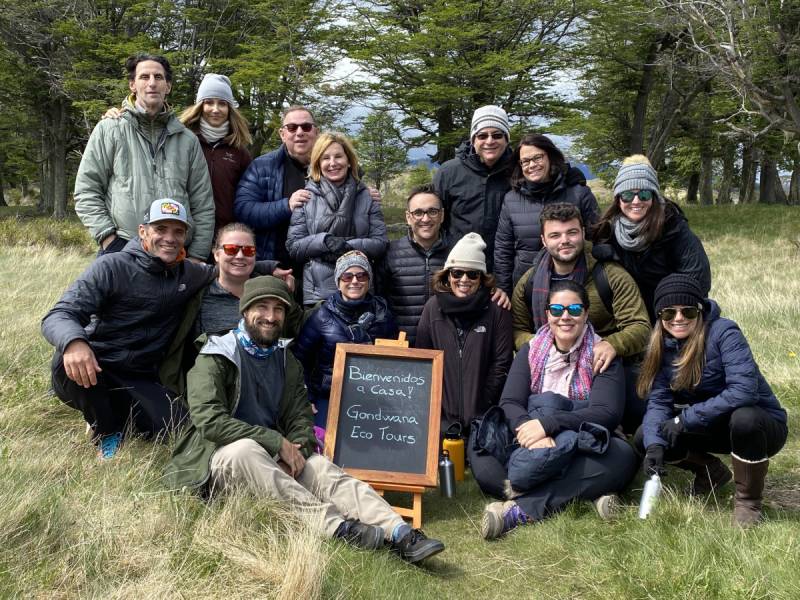
Gondwana Ecotours' Patagonia and Mendoza adventure tour combines the natural beauty of Patagonia with opportunities to experience another remarkable region of Argentina. It's an appealing option for travelers who want to discover the country's landscapes while enjoying the convenience of a guided small group adventure.
Ready to Experience Patagonia on an Argentina Travel Tour?
From the towering peaks of Mount Fitz Roy to the enormous ice formations of Perito Moreno Glacier, Patagonia offers some of the most spectacular scenery in South America. Add in its beautiful lakes, remote wilderness, and fascinating wildlife, and it's easy to understand why travelers return home with unforgettable memories of this extraordinary region.
Whether you're interested in hiking through Los Glaciares National Park, watching guanacos wander across the plains, or simply enjoying the peaceful beauty of the Andes Mountains, Argentina travel tours offer an incredible opportunity to experience Patagonia. Every destination reveals something different, and the region's sheer size means there's always more to discover!
Ready to start planning your adventure? Download Gondwana Ecotours' Argentina Patagonia and Mendoza tour brochure to learn more about the itinerary, destinations, and opportunities to experience this remarkable part of South America. From the mountains of Patagonia to the beautiful landscapes of Mendoza, Argentina has plenty of unforgettable adventures waiting for you!