Sustainable Tourism in Argentina
Download Travel Details >PRIVATE & SMALL GROUP TOURS TO THE WORLD'S BEST DESTINATIONS
Join Us In Argentina!

What Does Sustainable Tourism in Argentina Look Like in Patagonia?
For many travelers, Patagonia feels like a journey to the edge of the world. Vast skies stretch over wind-carved mountains, turquoise lakes, rugged valleys, and ancient glaciers. It is the kind of landscape that can make you stop and simply take it all in.
But visiting a place this wild also comes with a responsibility to protect it. Sustainable tourism in Argentina is becoming increasingly important as more travelers discover Patagonia and its incredible glacier landscapes. The goal is not to keep people away from these places, but to find ways to experience them while respecting the environment, local communities, and wildlife that make the region so special.
Patagonia's glaciers are one of the best examples of how responsible travel can make a difference. From walking the boardwalks overlooking Perito Moreno Glacier to exploring the landscapes around El Calafate and El Chaltén, travelers can experience some of Argentina's most remarkable scenery while making thoughtful choices along the way.
So, what does sustainable tourism in Argentina actually look like? And how can you enjoy Argentina's incredible glacier experiences without leaving a negative impact behind?
Why Is Sustainable Tourism Important in Patagonia?
Patagonia covers an enormous area of southern Argentina and Chile, but its size does not mean its landscapes have escaped the effects of tourism. Glaciers, mountain trails, forests, lakes, and wildlife habitats are all part of a delicate natural environment.
Tourism can be a positive force here. It brings visitors to remote communities, supports guides and local businesses, and gives travelers the opportunity to better understand why these landscapes are worth protecting. At the same time, too many visitors or irresponsible behavior can put pressure on trails, wildlife, water, and other natural resources.
This is where sustainable tourism comes in. Rather than simply asking how many people can visit a destination, responsible tourism asks how we can visit in a way that respects the place.
In Patagonia, that can mean staying on established trails, following park regulations, traveling with knowledgeable local guides, reducing waste, and choosing businesses that value the communities and environments where they operate. These may seem like small decisions, but they become much more meaningful when thousands of travelers make them.
Why Are Patagonia's Glaciers So Important?
Glaciers are one of the defining features of Patagonia. They are also one of the reasons the region has become such a popular destination for travelers from around the world.
Argentina is home to some remarkable glaciers, including Perito Moreno Glacier, Upsala Glacier, and Viedma Glacier. Each offers a different way to experience the landscape, from viewing enormous walls of ice to exploring glacial terrain on foot.
Perito Moreno is perhaps the best known. Its enormous ice face rises above the waters of Lago Argentino, creating an unforgettable scene. Visitors may even hear the thunderous sound of ice breaking away from the glacier and crashing into the water below.
That experience is part of what makes a Patagonia glacier tour so memorable. But it also offers an opportunity to understand that glaciers are more than beautiful scenery. They are an important part of the region's environment and a visible reminder of how Earth's climate is changing.
How Can Glacier Tours Support Sustainable Tourism in Argentina?
A glacier tour does not have to be in conflict with conservation. In fact, responsible tourism can help people develop a stronger connection to the landscapes they visit.
One of the simplest ways to travel responsibly is to follow the rules established for protected areas. Stay on designated paths, respect viewing areas, follow instructions from guides and park staff, and avoid disturbing wildlife. These guidelines exist for a reason: they help protect the landscape while allowing visitors to experience it.
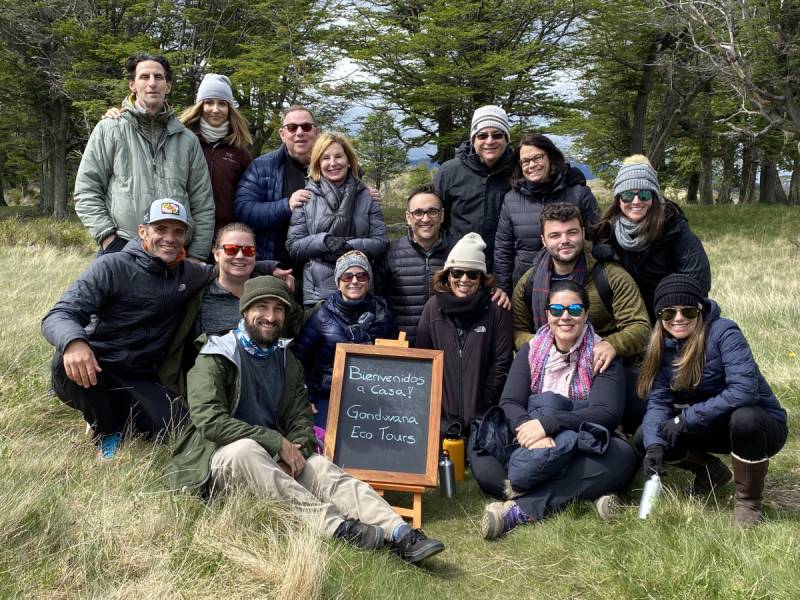
Small-group travel can also create a more personal experience. Instead of moving through Patagonia as part of a large crowd, smaller groups have more opportunities to slow down, listen to their guides, and appreciate the details of the landscape.
Responsible glacier tours in Patagonia can also benefit the communities that depend on tourism. Hiring local guides, staying at locally operated accommodations, and eating at local restaurants keeps more tourism spending within the region.
In this way, a glacier experience becomes more than a sightseeing excursion. It becomes one small part of a tourism economy that can help protect Patagonia for the future.
What Are the Best Sustainable Glacier Experiences in Argentina?
One of the great things about exploring Patagonia is that you do not have to choose between adventure and responsible travel. Many of the region's most memorable experiences allow you to get close to the landscape while following practices designed to protect it.
- Visit Perito Moreno Glacier: The established walkways provide several different viewpoints of the glacier while helping keep visitors within designated areas.
- Explore Patagonia's lakes and glaciers: Boat excursions can provide a different perspective of the region's enormous ice formations and surrounding mountains.
- Take a guided glacier hike: For travelers looking for a more active experience, guided ice trekking offers an opportunity to explore glacial terrain while following established safety and environmental practices.
- Explore El Chaltén: Hiking around this mountain town provides another way to experience Patagonia's landscapes without making the trip solely about one glacier.
These experiences also make it easier to appreciate how connected Patagonia's landscapes are. A glacier is not an isolated attraction. It is part of a much larger ecosystem of mountains, lakes, forests, rivers, and wildlife.
How Do National Parks Support Sustainable Tourism in Argentina?
Protected areas are an important part of sustainable tourism in Argentina. They give travelers access to some of the country's most spectacular landscapes while establishing rules for how those landscapes should be visited.
Argentina's national parks include some extraordinary places, and Los Glaciares National Park is particularly important for travelers exploring Patagonia's glaciers.
Following park regulations is one of the easiest ways travelers can contribute to conservation. Staying on marked trails, respecting closures, taking waste with you, and following guidance from park personnel all help reduce the impact of tourism.
There is also something valuable about visiting a protected area with the right mindset. Instead of treating a national park as another attraction to check off a list, take time to understand why the area is protected in the first place. That change in perspective can make a Patagonia adventure much more meaningful.
How Does Glacier Tourism Help Local Communities?
Sustainability is about more than protecting mountains and glaciers. It is also about supporting the people who live in the places travelers come to explore.
Towns such as El Calafate and El Chaltén have become important bases for exploring Patagonia. Hotels, restaurants, guides, transportation companies, outdoor outfitters, and other local businesses all depend on visitors.
Travelers can support these communities by choosing locally owned businesses whenever possible. Staying an extra night, eating at a local restaurant, hiring a local guide, or purchasing locally made products can all help keep tourism dollars within the community.
This is an important part of sustainable tourism in Argentina. Protecting a destination means making sure the people who call that destination home can also benefit from tourism. When local communities have a reason to value conservation, tourism can become part of the effort to protect the places that attract visitors in the first place.
What Can Travelers Do to Make a Patagonia Trip More Sustainable?
You do not have to completely change the way you travel to make more responsible choices in Patagonia. In many cases, it comes down to being thoughtful about what you do once you arrive.
- Stay on marked trails and designated viewing areas.
- Follow the rules of national parks and protected areas.
- Carry reusable water bottles and limit single-use plastics.
- Take all trash with you rather than leaving anything behind.
- Respect wildlife and keep a safe distance.
- Choose small-group tours when possible.
- Support locally owned accommodations, restaurants, and businesses.
- Listen to local guides and learn about the environment you are visiting.
It is also worth thinking about what you bring with you. Patagonia's weather can change quickly, so packing carefully can help you avoid purchasing unnecessary items during your trip. Our guide to sustainable packing for Argentina offers more ideas for reducing waste while preparing for an adventure.
Responsible travel does not mean giving up the experiences that make Patagonia special. It means experiencing them with a little more awareness.
How Does Climate Change Affect Patagonia's Glaciers?
It is impossible to talk about Patagonia's glaciers without talking about climate change. Glaciers naturally advance and retreat over time, but many glaciers around the world are experiencing significant changes as temperatures rise.
For travelers, seeing a glacier in person can make these changes feel much less abstract. Instead of reading about climate change from thousands of miles away, you are standing in front of a landscape that is constantly changing.
This is one reason responsible tourism can be so powerful. A meaningful travel experience can encourage people to learn more about the places they visit and think differently about how their choices affect the environment.
Tourism cannot solve climate change on its own. But it can help create greater awareness, support conservation efforts, and give local communities an economic reason to protect the landscapes that make their region unique.
Can Sustainable Tourism and Adventure Coexist in Patagonia?
Absolutely. In fact, some of the best Patagonia experiences are the ones that encourage travelers to slow down and pay attention.
There is something special about standing in front of a glacier and hearing the ice crack in the distance. Hiking beneath the mountains around El Chaltén, watching the color of a Patagonian lake change with the light, or spending time simply taking in the scale of the landscape can be just as memorable as rushing from one attraction to the next.
Sustainable tourism in Argentina is not about making travel less exciting. It is about making sure these experiences remain possible for the people who visit Patagonia today and for the travelers who will come decades from now.
When you choose responsible tours, respect protected areas, support local communities, and take care of the places you visit, you become part of that effort.
Experience Patagonia Through Sustainable Tourism in Argentina
Patagonia has a way of making a trip feel bigger than the itinerary on your screen. The mountains seem larger, the skies seem wider, and the glaciers remind you just how powerful the natural world can be. That is also what makes protecting Patagonia so important.
Sustainable tourism in Argentina gives travelers a way to experience this remarkable region while being mindful of its fragile landscapes and the communities that call it home. Whether you are exploring Patagonia and Mendoza, visiting Perito Moreno Glacier, or discovering Argentina's national parks, traveling responsibly can make the experience even more meaningful.
Ready to start exploring Patagonia sustainably? Download our travel brochure to learn more about our small group tours through Patagonia and Mendoza.