Awesome Adventures In Costa Rica
Download Travel Details >PRIVATE & SMALL GROUP TOURS TO THE WORLD'S BEST DESTINATIONS
Ready To Join Us For An Adventure In Costa Rica!


Exploring Costa Rica Through Incredible Wildlife Tours
Looking for adventures in Costa Rica? This small Central American country is one of the most biodiverse places on Earth, with an incredible variety of wildlife living in its rainforests, cloud forests, wetlands, and coastal waters. From sloths hanging lazily in the trees to colorful toucans flying overhead, Costa Rica offers nature lovers an opportunity to see some truly remarkable animals in their natural habitats.
But wildlife watching is only part of the adventure! Visitors can hike through tropical rainforests, explore national parks, take guided boat tours, and discover secluded beaches surrounded by lush vegetation. Whether you're hoping to spot a rare tapir or watch monkeys swinging through the canopy, there's no shortage of exciting ways to experience this beautiful country. Our Costa Rica: Secluded Wildlife Adventure takes travelers to some of the country's most spectacular natural areas, including Arenal Volcano and the Osa Peninsula.
So, what makes Costa Rica such an incredible destination for wildlife enthusiasts? And when should you plan your visit to make the most of your time? Let's explore the animals, destinations, and outdoor experiences that make adventures in Costa Rica so memorable!
What Makes Costa Rica One of the Best Places for Wildlife Adventures?
Costa Rica may be small, but its biodiversity is extraordinary. The country is home to an estimated 500,000 species, representing roughly 5 percent of the world's biodiversity. Its location between North and South America, combined with its varied elevations and tropical climate, creates a remarkable collection of habitats where plants and animals thrive.
One of the most exciting things about visiting Costa Rica is how quickly the landscape changes. You might spend the morning exploring a misty cloud forest, the afternoon watching wildlife near a volcano, and another day discovering the tropical forests along the Pacific coast. Each environment offers something different, making wildlife adventures in Costa Rica especially rewarding for travelers who enjoy exploring the natural world.
Costa Rica has also made environmental protection a national priority. An extensive network of national parks, wildlife refuges, and protected areas helps preserve the country's ecosystems. This commitment makes it possible for visitors to experience extraordinary wildlife while supporting conservation efforts. Learn more about how the country protects its natural heritage in our guide to Costa Rica and ecotourism.
When Is the Best Time for Adventures in Costa Rica?
One of the first questions travelers ask when planning a Costa Rica adventure is when they should visit. The answer depends on what you want to experience! Costa Rica has two general seasons, the dry season and the green season, and both offer wonderful opportunities to explore the country's wildlife and natural attractions.
The dry season generally runs from December through April, bringing sunnier conditions to much of the Pacific side of the country. The green season typically lasts from May through November, with more frequent rainfall and especially lush vegetation. However, weather conditions vary considerably between regions, and the Caribbean coast follows a different rainfall pattern.
How Do the Dry and Green Seasons Compare?
| Season | Typical Months | Best Wildlife Adventures | What to Expect |
|---|---|---|---|
| Dry Season | December–April | Rainforest hiking, birdwatching, national park visits, and coastal wildlife excursions | Sunnier conditions in many Pacific regions, popular travel dates, and larger crowds at major attractions |
| Green Season | May–November | Rainforest wildlife watching, guided nature walks, amphibian spotting, and seasonal sea turtle experiences | Lush forests, frequent afternoon rain in many regions, and potentially fewer visitors at some destinations |
Is the Dry Season Better for Wildlife Watching?
The dry season is a popular time for adventures in Costa Rica because the weather is generally more predictable in many of the country's most visited regions. Hiking trails may be easier to navigate, and sunny mornings provide excellent opportunities for exploring national parks. Wildlife can also gather around dependable water sources during drier periods, making some animals easier to locate.
Of course, these favorable conditions attract plenty of visitors! Popular destinations such as Arenal and Manuel Antonio can be busy during the winter holidays and spring travel season. If you plan to visit during these months, booking accommodations and guided activities in advance is a good idea.
Can You Enjoy Costa Rica Wildlife Tours During the Green Season?
Absolutely! In fact, the green season can be a wonderful time to experience Costa Rica's rainforests. Regular rainfall transforms the landscape into a lush green paradise, while frogs, insects, and many other rainforest creatures become especially active. For wildlife enthusiasts, these conditions can make a guided nature walk particularly exciting.
Rain doesn't necessarily mean your entire day will be spent indoors, either. In many Pacific regions, mornings can be relatively clear, with showers developing later in the day. Experienced local guides often plan excursions around these weather patterns, allowing visitors to enjoy the forest when conditions are most favorable.
If you're considering an August departure, our guide to Costa Rica's dry and green seasons offers additional information to help you decide which time of year best matches your interests.
What Are the Best Wildlife Adventures in Costa Rica?
With so many incredible animals living throughout the country, deciding what to see first can be difficult! Costa Rica's national parks and protected forests are home to everything from tiny tree frogs to large tropical mammals. Some species are relatively easy to encounter with a knowledgeable guide, while others are elusive enough that spotting one becomes a truly special experience.
Here are five fascinating animals worth looking for during your adventures in Costa Rica, along with some of the best places to find them.
1. Where Can You See Sloths in Costa Rica?
Few animals are more closely associated with Costa Rica than the sloth. These slow-moving mammals spend most of their lives in the trees, where they feed, rest, and blend into the surrounding vegetation. Costa Rica is home to both two-toed and three-toed sloths, and seeing one in the wild is often a highlight of a rainforest adventure.
Sloths can be surprisingly difficult to spot, despite their famously leisurely lifestyles! Their brownish fur provides excellent camouflage, and algae growing on their coats can give them a greenish appearance. This natural disguise helps them remain hidden among the leaves and branches.
Manuel Antonio National Park and the forests surrounding La Fortuna and Arenal are popular places to look for sloths. Guided wildlife walks can be especially rewarding because experienced naturalists know where to search and can identify subtle movements high in the canopy. On a guided Costa Rica wildlife adventure, travelers have opportunities to look for these fascinating creatures while exploring their natural habitat.
2. Can You Spot a Tapir in the Costa Rican Rainforest?
One of the most unusual animals visitors might encounter in Costa Rica is Baird's tapir. These large, forest-dwelling mammals have rounded bodies, short trunks, and an appearance that resembles a curious combination of several different animals. Despite their unusual looks, tapirs are actually related to horses and rhinoceroses!
Baird's tapirs are the largest native land mammals in Central America, and they play an important role in maintaining healthy forests. As they move through the rainforest and consume fruits, they disperse seeds that help new plants grow. Unfortunately, habitat loss and hunting have contributed to their endangered status, making every wild encounter particularly meaningful.
Corcovado National Park on the Osa Peninsula is one of the best places in Costa Rica to look for tapirs. These animals are often active during the evening and early morning, although daytime sightings are possible. While seeing one is never guaranteed, exploring Corcovado with an experienced guide offers a chance to encounter this remarkable rainforest resident.
3. Where Can You Watch Sea Turtles in Costa Rica?
Costa Rica's wildlife adventures aren't limited to its rainforests! The country's Pacific and Caribbean coastlines provide important nesting habitats for several species of sea turtles. Watching these ancient marine reptiles return to shore to lay their eggs is one of the most memorable wildlife experiences travelers can have.
Tortuguero National Park, located on the Caribbean coast, is particularly famous for its green sea turtles. Nesting activity generally peaks between July and October, although the timing varies by species and location. Visitors may have opportunities to observe nesting turtles during authorized guided excursions that follow strict conservation rules.
Other coastal destinations offer opportunities to encounter sea turtles while snorkeling or exploring marine habitats. The waters around Caño Island, for example, support a wide variety of marine life. If you're interested in learning more about these extraordinary animals, explore our article about sea turtle conservation in Costa Rica.
4. What Makes Toucans So Special to See in Costa Rica?
With their oversized, brightly colored bills, toucans are among the most recognizable birds in Central America. Costa Rica is home to six species of toucans, including the keel-billed toucan and the yellow-throated toucan. These beautiful birds are a favorite among photographers and wildlife enthusiasts alike.
Although their enormous bills might look heavy, they're surprisingly lightweight. Toucans use them to reach fruit growing on branches and to help regulate body temperature. Their distinctive calls can often be heard echoing through the forest long before the birds themselves come into view.
The rainforests surrounding Arenal, the Caribbean lowlands, and the Osa Peninsula are excellent places to look for toucans. Early morning excursions are particularly rewarding, when birds are actively feeding and moving through the canopy. A knowledgeable guide can help identify different species and point out the places where these colorful birds are most likely to appear.
5. Is It Possible to See Wild Cats During Adventures in Costa Rica?
Costa Rica is home to several species of wild cats, including jaguars, pumas, ocelots, and margays. These secretive predators are some of the rainforest's most fascinating inhabitants, but they're also among the most difficult animals to observe in the wild. Their excellent camouflage and preference for dense vegetation allow them to move through the forest without attracting much attention.
Margays are particularly interesting because of their extraordinary climbing abilities. These small spotted cats spend considerable time in trees, where their flexible ankles help them navigate branches with remarkable agility. Unlike many other wild cats, margays are exceptionally well adapted to hunting in the forest canopy.
Protected areas such as Corcovado National Park and Monteverde's forests provide habitat for wild cats, although sightings are rare. Visitors should consider encountering one an unexpected bonus rather than a guaranteed part of a wildlife tour. Even without seeing a wild cat, learning about these predators and their role in the rainforest ecosystem adds another fascinating dimension to a Costa Rican adventure.
What Other Animals Might You Encounter in Costa Rica?
The five animals above are only the beginning! Costa Rica's extraordinary biodiversity means that every guided excursion has the potential to reveal something new. From playful monkeys to brilliantly colored amphibians, there's always something worth looking for in the forest.
Can You See Monkeys in the Wild?
Yes! Costa Rica is home to four native monkey species: howler monkeys, white-faced capuchins, spider monkeys, and squirrel monkeys. Each has its own distinctive behavior, making them endlessly entertaining to watch. Howler monkeys are particularly famous for their deep, booming calls, which can travel impressive distances through the rainforest.
The Osa Peninsula is an especially rewarding destination for monkey watching because all four species occur in the region. Watching spider monkeys swing through the canopy or capuchins investigate their surroundings can be one of the most enjoyable moments of a rainforest hike. These encounters are also a reminder of why protecting connected forest habitats is so important.
What About Frogs, Butterflies, and Other Rainforest Creatures?
Some of Costa Rica's most remarkable wildlife comes in surprisingly small packages! Red-eyed tree frogs, colorful poison dart frogs, and enormous blue morpho butterflies are just a few of the creatures that make exploring the rainforest so exciting. While larger animals often get the most attention, the forest's smaller residents are every bit as fascinating.
Guided night walks can reveal an entirely different side of the rainforest. As daylight fades, frogs begin calling, insects emerge, and nocturnal creatures become more active. These evening excursions offer a wonderful opportunity to experience the sights and sounds of a tropical forest after dark.
Can You See Marine Wildlife Along Costa Rica's Pacific Coast?
Absolutely! Costa Rica's Pacific waters are home to dolphins, sea turtles, rays, reef fish, and seasonal whale populations. Boat excursions and guided snorkeling trips allow travelers to explore an entirely different ecosystem from the rainforests found inland.
Caño Island Biological Reserve, located off the Osa Peninsula, is particularly well known for its marine biodiversity. Depending on conditions and the time of year, visitors may encounter sea turtles, schools of tropical fish, and various species of rays. Wildlife sightings are never guaranteed, but exploring these protected waters can be a memorable addition to your adventures in Costa Rica.
Where Are the Best Places for Wildlife Adventures in Costa Rica?
With so many national parks and protected areas to choose from, Costa Rica offers something for nearly every nature enthusiast. Some destinations are famous for their rainforest mammals, while others are better known for tropical birds, marine life, or dramatic landscapes. Choosing a few complementary destinations is a great way to experience the country's biodiversity without spending your entire vacation traveling between locations.
Why Visit Arenal Volcano and La Fortuna?
The Arenal region combines spectacular scenery with excellent wildlife-watching opportunities. Dominated by the impressive Arenal Volcano, the surrounding landscape features tropical forests, waterfalls, and trails where visitors can look for sloths, monkeys, toucans, and other native animals. It's an ideal destination for travelers who enjoy mixing wildlife observation with outdoor exploration.
Guided hikes provide opportunities to learn about the region's volcanic history while searching for wildlife in the surrounding vegetation. The area is also known for its rich birdlife, making it particularly appealing to nature photographers. With so much to discover, Arenal is a wonderful introduction to the natural beauty of Costa Rica.
What Makes Corcovado National Park So Extraordinary?
Located on the Osa Peninsula, Corcovado National Park protects one of Central America's most biologically rich tropical forest ecosystems. Its remote location and extensive protected habitats support an incredible variety of wildlife, including tapirs, monkeys, scarlet macaws, and numerous reptiles and amphibians. For serious wildlife enthusiasts, visiting Corcovado can be one of the highlights of a Costa Rican vacation.
Exploring the park with an authorized guide offers a chance to discover wildlife that might otherwise go unnoticed. Guides understand the forest's sounds, tracks, and subtle signs of animal activity, helping visitors appreciate the ecosystem beyond the most obvious sightings. The surrounding Osa Peninsula also offers secluded coastal landscapes and opportunities to explore marine habitats.
Is Tortuguero National Park Worth Visiting?
Tortuguero National Park offers a very different type of Costa Rica adventure. Located along the Caribbean coast, this protected area is known for its waterways, tropical wetlands, and important sea turtle nesting beaches. Much of the landscape is best explored by boat, giving visitors an opportunity to watch wildlife from the water.
Guided boat excursions may reveal monkeys, toucans, caimans, river turtles, and other animals living along the canals. The park is also an important destination for travelers interested in sea turtle conservation. For those who want to experience another side of Costa Rica's natural environment, Tortuguero makes an excellent addition to a wildlife-focused itinerary.
How Can You Make the Most of Your Wildlife Adventures in Costa Rica?
Seeing wildlife in its natural habitat requires patience, a little planning, and a willingness to embrace the unexpected. Unlike visiting a zoo, there's no guarantee that a particular animal will appear when you arrive! However, there are several ways to improve your chances of having memorable encounters while respecting the animals and their environment.
Why Are Local Guides Important for Wildlife Watching?
An experienced local guide can make an enormous difference during a Costa Rican wildlife adventure. These professionals know the habitats, behaviors, and seasonal patterns of the animals living in their region. They can recognize bird calls, identify tracks, and spot well-camouflaged creatures that most visitors would walk right past.
Guides also help travelers understand the larger ecosystem. Instead of simply pointing out a sloth or a toucan, they can explain how the animal survives, what it eats, and why its habitat matters. This additional knowledge transforms a simple wildlife sighting into a much more meaningful experience.
What Time of Day Is Best for Seeing Wildlife?
Early mornings are often among the best times for wildlife observation in Costa Rica. Many birds and mammals become active shortly after sunrise, when temperatures are cooler and the forest is relatively quiet. Getting an early start can also help travelers avoid the hottest part of the day and, in some regions, afternoon rainfall.
Evening excursions offer another opportunity to discover animals that remain hidden during daylight hours. Frogs, insects, and various nocturnal mammals become more active after sunset, revealing a completely different side of the rainforest. Combining daytime and nighttime wildlife activities can make your adventures in Costa Rica especially rewarding.
How Can You Watch Wildlife Responsibly?
One of the most important parts of any wildlife adventure is respecting the animals you're hoping to see. Keeping a safe distance, staying on designated trails, and avoiding loud noises can help prevent unnecessary stress to wildlife. Feeding wild animals should always be avoided, even when they appear comfortable around people.
Choosing responsible tour operators and experienced guides also helps protect the environments that make these experiences possible. Costa Rica's commitment to conservation has helped preserve remarkable natural areas, but responsible tourism remains essential to their long-term protection. Visitors who want to explore this subject further can read about responsible ecotourism in Costa Rica and the importance of supporting local conservation efforts.
Are Guided Adventures in Costa Rica Worth It?
For travelers who want to see as much wildlife as possible, a guided adventure can be an excellent way to experience Costa Rica. Navigating unfamiliar roads, arranging transportation between remote destinations, and identifying the best places to look for animals can take considerable time and research. Traveling with experienced guides makes these logistics easier, allowing visitors to spend more time enjoying the natural surroundings.
Small group tours can be particularly rewarding because they allow for a more personal wildlife-watching experience. With fewer people traveling together, it's often easier to observe animals quietly, ask questions, and spend time appreciating unexpected discoveries. Whether you're watching a sloth slowly move through the branches or listening to howler monkeys calling across the forest, these moments are often what travelers remember most.
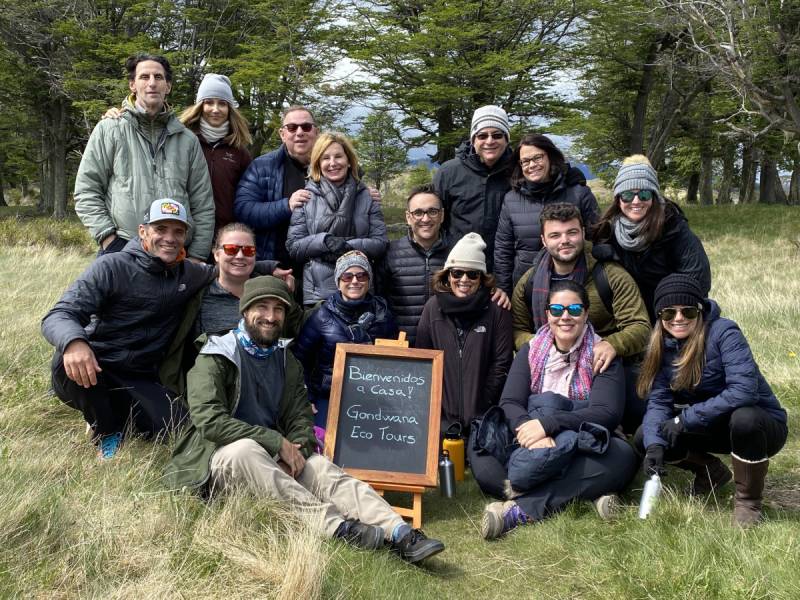
Gondwana Ecotours' Costa Rica: Secluded Wildlife Adventure combines guided rainforest exploration, wildlife observation, and coastal experiences in some of the country's most beautiful natural areas. The journey includes opportunities to explore Arenal, visit the Osa Peninsula, and experience the biodiversity of Corcovado National Park, all while emphasizing responsible travel.
Ready for an Unforgettable Adventure in Costa Rica?
From sloths resting high in the rainforest canopy to colorful toucans, endangered tapirs, and nesting sea turtles, Costa Rica offers an extraordinary variety of wildlife experiences. Add in its tropical forests, volcanic landscapes, secluded beaches, and commitment to conservation, and it's easy to understand why so many travelers consider this country a bucket-list destination.
Whether you're visiting during the sunny dry season or exploring the lush rainforests of the green season, adventures in Costa Rica offer countless opportunities to connect with nature. Every trail, boat excursion, and guided wildlife walk brings the possibility of discovering something new. And sometimes, the most memorable encounters are the ones you never expected!
Ready to experience Costa Rica's incredible wildlife for yourself? Explore Gondwana Ecotours' Costa Rica: Secluded Wildlife Adventure tour to learn more about the itinerary, destinations, and opportunities to explore this remarkable country. Your next wildlife adventure is waiting!