Guided vs Self-Guided Travel for Seniors
PRIVATE & SMALL GROUP TOURS TO THE WORLD'S BEST DESTINATIONS
Extraordinary Places. Unhurried Experiences.

Trading Independence for Support on Adventure Trips
Independent travel can feel freeing, yet it may also mean that every booking, transfer and backup plan lands on one person. Guided travel hands many of those tasks to someone else, which may leave more energy for the trip itself. Older adventure travelers often weigh these two styles by asking how much planning they enjoy and how much support they want when something goes wrong. This guide compares the two on workload, safety, cost and flexibility, and it works alongside our look at small group and large group tours for seniors.
A Self-Guided Trip Puts Every Logistics Decision on You
On a self-guided trip, you may book flights, hotels, transfers, tickets and meals yourself, and you may be the one who solves a problem when a connection runs late. That work can be rewarding for travelers who enjoy research and like to set their own schedule. It can also take many hours before departure, and a missed detail may cost money or time once you arrive. Language barriers, unfamiliar transport and unmarked trails may add to the load, especially in remote places.
Safety planning also falls to you. You may need to find clinics, understand local emergency numbers and decide how to reach help if you are far from a town. U.S. citizens can enroll in the State Department's Smart Traveler Enrollment Program to receive alerts from the nearest embassy or consulate, which may help on any trip abroad. Many wildlife and nature outings may also require a licensed guide, so a fully independent plan may not reach the places you most want to see.
A Guided Tour Handles the Logistics So You Can Enjoy the Place
A guided tour generally arranges lodging, ground transport, entry tickets and many meals in one plan. A local guide may also read conditions, adjust the day and explain what you are seeing, which can make a walk or a wildlife outing richer. When a flight is delayed or a road closes, the operator may rebook and reroute while you rest. For older travelers, that support may reduce the stress that can build around transfers and long days.
Group size still matters, because a guided trip can feel very different in a small group than in a large one. Smaller groups may allow more time at each stop and more attention from the guide, while larger tours may follow a tighter schedule. Our comparison of small versus large group tours covers that choice in detail. Choosing guided travel is only the first step, and the format of the group shapes how the days feel.
Self-Guided Trips Offer More Freedom, but Guided Trips Mean Fewer Surprises
Self-guided trips may look cheaper on paper, since you can choose budget lodging and skip guide fees. Guided tours often bundle costs into one price, which can make the total easier to compare and may include items that add up when bought separately. The table below sets out the main trade-offs.
| Factor | Self-guided | Guided small group |
|---|---|---|
| Planning workload | High, since you book and coordinate each piece | Lower, since the operator arranges the core trip |
| Upfront cost | May be lower, with extra costs appearing along the way | May be higher, with more items bundled in |
| Flexibility | High, with your own schedule and pace | Moderate, with a set plan and some free time |
| Support if plans change | You handle delays, closures and illness | The guide and operator may handle changes |
Flexibility is the clearest advantage of going alone, because you can linger, skip a stop or change course without asking anyone. A guided small group may still leave room for free time and personal pace, so it helps to ask how the days are built. Ask what a typical day includes and how much of it is open, using our questions to ask a tour operator before booking.
Choose Based on How Much Planning You Enjoy and What You Want to Do
The right choice often depends on how comfortable you are with logistics and how demanding the activities are. A traveler who enjoys planning and sticks to well-served destinations may do well on a self-guided trip. A traveler heading to remote areas, or one who wants help with walking terrain and wildlife viewing, may feel more at ease with a guide. Your answers to a few plain questions can point the way.
- How much time do I want to spend planning and booking?
- How would I feel solving a delay or a medical issue far from home?
- Do the activities I want need a licensed guide or special access?
- Do I want the freedom to change plans, or the comfort of a set plan?
- Can I add nights before or after the trip to rest and recover from jet lag?
That last question applies to both styles. Long flights and time changes can drain energy before the first outing, so an extra night at the start may help you arrive rested. Shifting your bedtime a little before departure, drinking water on the plane and taking a daylight walk on the first morning may also help.
Gondwana's Guided Small-Group Itineraries Keep Support Close and the Pace Unhurried
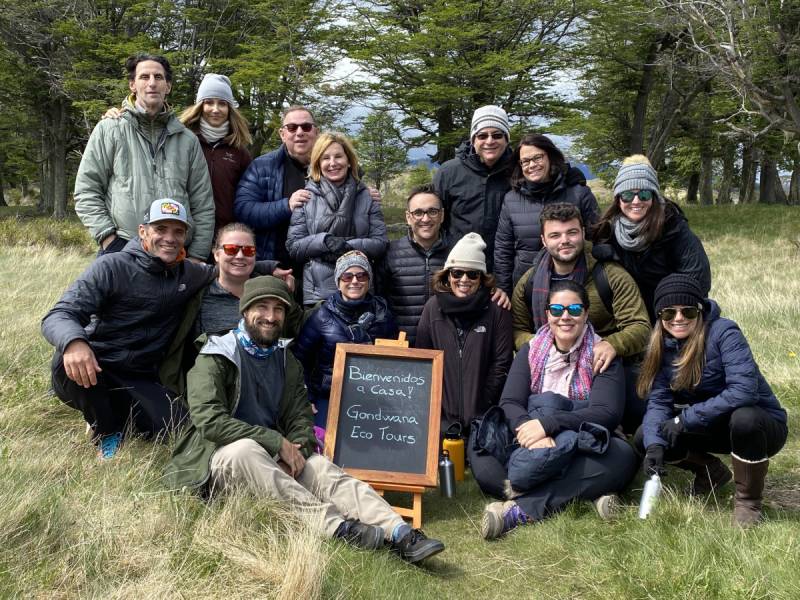
At Gondwana Ecotours, we generally craft our trips so that you can enjoy the place without carrying the logistics. Our guides and itineraries are designed by hand, with days full of discovery and none of the rush that wears you out. Small groups give you time to linger, ask questions and share the experience with like-minded travelers.
Review the itinerary for any trip you like, and ask us about pace, guides, rooms and rest days. Our full list of destinations is a good place to browse guided small-group trips.