How to Choose Between Small Group and Large Group Tours as a Senior
PRIVATE & SMALL GROUP TOURS TO THE WORLD'S BEST DESTINATIONS
Extraordinary Places. Unhurried Experiences.

Counting What Group Size Changes on Tour
On a guided trip, the question that matters most is whether you can take in what you came to see without being hurried toward the next stop. Can you stay at a viewpoint until you are ready to leave, watch an animal until it moves on, or finish a conversation with a local? Group size decides much of that, because a larger group needs a tighter schedule to keep everyone moving. Pace, guide attention, safety and cost all shift with it, so it is worth weighing before you pick a trip. If you are still deciding whether a guided format suits you at all, our guide to choosing a guided small group trip after 60 is a good place to begin.
Operators define "small" and "large" differently, so the labels alone settle little. What matters is how many people share one guide, one vehicle and one schedule. Ask for numbers.
Small Groups Build a Community Where Large Groups Make It Easy to Get Lost in the Crowd
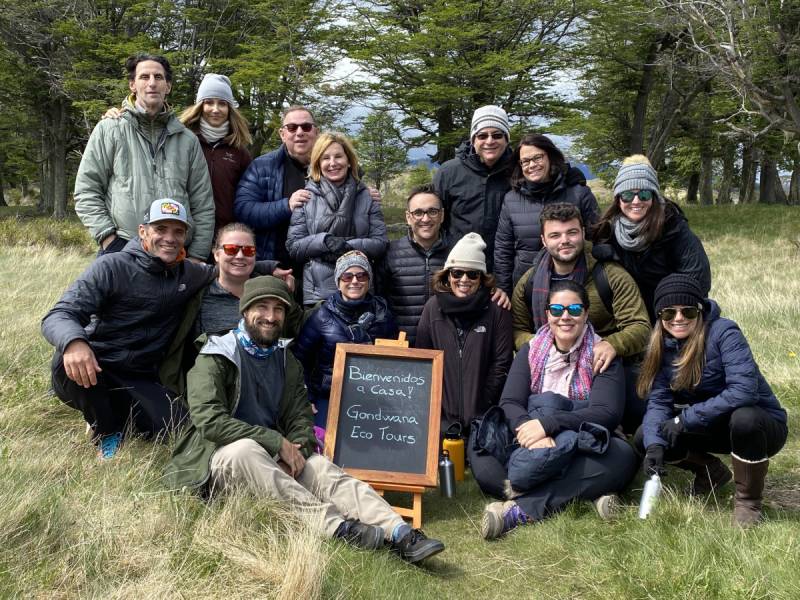
The biggest overlooked benefit of small group travel is the community it builds. With time at each site to share interests and talk about what a place means, travelers often feel like part of a tribe, bound by a shared experience with like-minded people. That feeling is often what they remember longest.
Larger tours rarely have that time in their schedules, because their days are built around other large groups coming through, so you may be moved to the next destination before a conversation starts. In a larger group, it is easy to get lost in the crowd, and names and stories can blur.
A larger group can make sense when budget is the main limit or when you enjoy meeting many people. Bulk volume discounts on lodging and transport can reduce the cost per person, though a cheaper tour may mean less attention from the guide and a tighter schedule. By contrast, in a small group, you build a community of your own.
Group Size Shifts Pace, Guide Attention, Safety and Cost in Predictable Ways
A group's size sets how much the plan can bend each day. Smaller groups often leave room to adjust, while larger ones may rely on a fixed timetable to keep everyone moving. The table shows where each tends to fit.
| Factor | A smaller group may offer | A larger group may offer |
|---|---|---|
| Pace | Room to pause, shorten a walk or change the plan | A fixed schedule that keeps stops on time |
| Guide attention | More time with the guide for each person | Less one-to-one time, sometimes with extra staff |
| Safety | Easier to notice who is tired or struggling | Set check-ins and headcounts to track everyone |
| Cost | A higher price per person in many cases | Bulk volume discounts that reduce the cost per person |
| Company | The same few faces each day | More people to meet, with less time for each |
Treat the table as a tendency, not a rule. A well-run large tour with several guides can serve older travelers well, and a small group with a rushed schedule can still wear you out.
A Smaller Group Gives the Guide Room to Fit the Day to You
Small group travel tends to have a friendlier pace, and that is where many older travelers feel the difference first. A guide can wait at a lookout, take a gentler path or let you sit out a stretch without holding up dozens of people. The day feels unhurried because you can stay longer where the experience is good. In a larger group, the schedule often has to protect the next stop, so you may leave a place before you are ready.
Guide access follows the same logic. With fewer people, you may find it easier to ask a question, mention a sore knee or request a closer seat without calling attention to yourself. Ask how many travelers share each guide, and whether a second guide or vehicle makes it simple to skip an outing.
Wildlife Viewing and Vehicle Space Often Reward Fewer People
Group size can decide what you see as well as how you feel. Quiet groups may disturb animals less, and some protected areas limit how many visitors may enter at once. Rwanda, for example, caps each gorilla visit at eight people for one hour under the Rwanda Development Board's gorilla tracking rules.
Costa Rica shows the same pattern, because some night walks and nesting-beach visits admit only a limited number of people at a time. Our guide to Costa Rica small group tours explains how those limits shape a trip. Logistics matter too. Fewer people usually means a better chance of a window seat, a spot at the boat rail and a short wait at every stop.
Five Questions Show Whether a Group Format Will Fit You
Ask every operator the same questions and compare the answers side by side. Specific numbers and plain explanations are a good sign, while vague replies may mean the format is less flexible than it sounds.
- How many travelers share each guide and each vehicle?
- What happens if I want to skip an outing or rest for a day?
- How does the group handle a slower walker on a trail or in a market?
- Which activities cap the number of visitors, and how are those places assigned?
- Can I add nights before or after the tour to rest and settle in?
That last question helps more than it appears to. Long flights and time changes can drain energy before the first outing, so an extra night at the start gives you time to recover. Keep a spare night at the end, shift your bedtime a little in the days before departure, drink water on the plane and take a daylight walk on your first morning.
Our Tours Stay Small by Design So the Guide Can Fit the Day to You
At Gondwana Ecotours, we design our trips and itineraries by hand, with days full of discovery and none of the rush that wears you out. We generally keep our tours small, led by naturalist guides who know these places well, so there is room to pause, ask and rest. A small group also gives people time to form bonds, and many guests come home feeling part of a community. We are honored to have supported travelers on their journeys for as long as we have been traveling with people.
Read the current itinerary for any trip you like and bring us your questions about pace, group size and rest time. Our full list of destinations is a good place to browse.