How to Choose a Guided Small Group Trip That Fits Your Senior Lifestyle
PRIVATE & SMALL GROUP TOURS TO THE WORLD'S BEST DESTINATIONS
Extraordinary Places. Unhurried Experiences.

Sizing Up Guided Group Trips After 60
Most people who hesitate over senior small group travel are not worried about the destination. They worry about keeping up, about days that leave them worn out, and about a week with strangers they have little in common with. Choosing a guided trip gets easier when you test each option against those three worries, and this guide shows you how to do it before you book.
Senior Small Group Travel Removes the Fear of Slowing Everyone Down
On a large tour, the schedule is built to move many people through each stop on time, and anyone who walks slowly or pauses to rest can feel like the reason the group is behind. In a small group, the guide can fit the day to the people in front of them: a longer pause at a lookout, a shorter walk when the trail is rough, a quiet word if you would rather sit one out. Our comparison of small-group versus large-group tours for seniors shows where each style fits best.
Fewer people also settles the worry about company. You share meals, vehicles and viewpoints with the same handful of travelers each day, so names and stories stick and nobody disappears into a crowd. For anyone traveling solo, that shared routine is how a group of strangers becomes good company by the end of the first week.
A Good Senior Itinerary Shows Its Pace Before You Book
Read a daily schedule the way you would read a map. Count the hours between the first departure and dinner, note how long you spend in vehicles or on boats, and look for the late starts and free afternoons. Those gaps are what keep a long trip enjoyable, because tiredness builds quietly and tends to show up on day five, not day one. An itinerary packed from breakfast to dinner with no breathing room was built to fit in as much as possible, not to fit you.
Walking deserves its own look. Ask how far the group walks each day, on what kind of ground, and how often it stops. Ask what happens if you want to skip a section, and whether a vehicle or a second guide makes that easy.
Ask Any Operator, Including Us, These Questions Before You Pay a Deposit
Specific answers tell you a company plans trips with older travelers in mind, and vague answers tell you the opposite. Listen for numbers and plain explanations. Bring these to every conversation:
- What does a typical day look like from first departure to dinner, and how much of it is walking?
- How many travelers and how many guides are in the group?
- What happens if I want to skip an activity or rest for a day?
- How do you handle medical needs, mobility limits and dietary requirements?
- What are the cancellation terms, and can I add nights before or after the tour to rest and recover from jet lag?
- Can I read what travelers who took this trip said about it?
Write the answers down and compare them side by side, because memory blurs after the third call. Our longer list of questions to ask a tour operator before booking covers insurance, payment schedules and what to expect on arrival day.
Choose What's on Your Bucket List, Then Let the Daily Pace Make the Final Call
Start with your bucket list. Maybe it is a morning with mountain gorillas, a night spent chasing the northern lights, a colony of penguins at the bottom of the world, or the Great Migration crossing the Serengeti. Say each one out loud and notice which makes you grin. Those are your shortlist: pick the two or three trips that deliver them and stop there, so you can compare them honestly against the six questions above. Wildlife is never guaranteed on any trip, so choose for the whole itinerary, not for a single animal.
Then run each trip on your shortlist through four checks. Together they take an evening. Skip none.
Elevation Deserves a Conversation With Your Doctor
High routes can leave you short of breath, so ask your doctor and ask the operator which days climb. Get the numbers in writing. Plan rest days around them.
Water Days Need a Plan for Rough Conditions
Boat days are a highlight for many travelers and a worry for others, so ask how many there are and what the plan is when conditions turn rough. Rough water happens, and a good plan expects it. Your doctor can help if seasickness worries you.
Cold Weather Means Shopping Before You Pack
Polar and northern trips call for layers you may not own yet. Start shopping early. A jacket that feels fine in the store can feel heavy by the third hour.
Jet Lag Belongs in the Trip Plan
Long flights and time-zone changes take a toll, so plan for jet lag as part of the trip. Arrive a day or two before the tour starts so the first morning is not spent fighting sleep, and keep a night or two after it ends so you are not rushing from the last activity to the airport. In the week before you fly, shift your bedtime toward your destination's schedule. On the plane, drink water, and on your first day, take an easy walk in daylight and go to bed at local time.
The trip that passes all four, with a daily pace you can keep, is your answer. That is the one to book. For health questions, your doctor or a travel clinic should have the final word, and the CDC's page on older adults and healthy travel is a reliable place to check destination health notices and what to ask at your appointment.
At Gondwana Ecotours, We Handcraft Itineraries That Fill the Day Without Wearing You Out
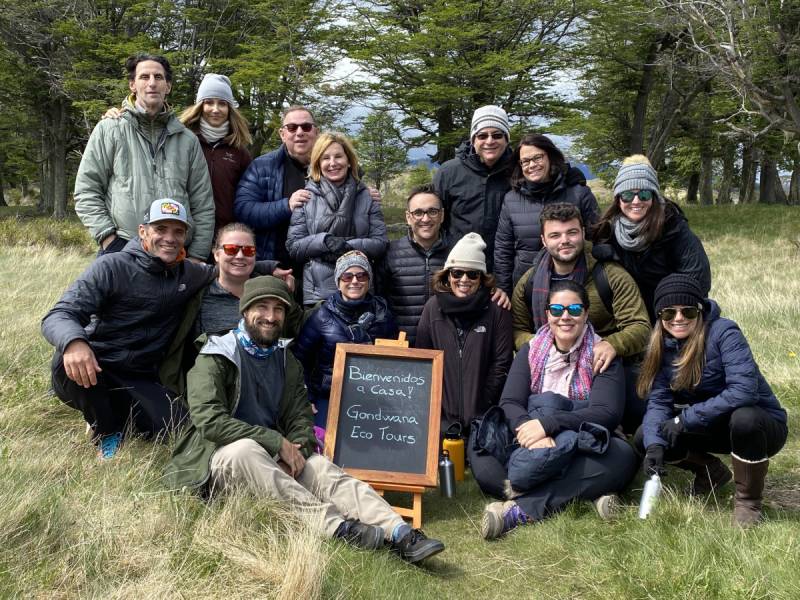
At Gondwana Ecotours, we design our trips and itineraries by hand, with days full of things to see and do and none of the rush that leaves you worn out. You spend those days with like-minded travelers, and their company becomes as memorable as the places you came to see. We build each day with that in mind.
See all of our current destinations to find the one that matches what you want to see, then read that tour page for itinerary details, since pace and inclusions vary by trip. When you are ready, bring your questions and we will talk them through with you. Take your time.