Is It Likely to See the Northern Lights in Colorado?
PRIVATE & SMALL GROUP TOURS TO THE WORLD'S BEST DESTINATIONS
Are You Planning A Trip To See The Northern Lights?

Northern Lights in Colorado
At Gondwana Ecotours, we guide travelers from all over the world to some of the most spectacular aurora displays in the United States. One of the most common questions we get is: “Can you see the Northern Lights in Colorado?” While it’s not entirely impossible, sightings are rare, unpredictable, and not a reliable reason to plan a trip.
Can You See the Northern Lights in Colorado?
Northern Lights sightings in Colorado are uncommon and typically very faint. The state lies well south of the auroral oval—the high-latitude zone where aurora activity is concentrated. Any chance of viewing the lights here depends on a severe geomagnetic storm with a KP index of 7 or higher, and even then, visibility depends on dark skies, elevation, and luck.
When Could Colorado Catch a Glimpse?
Colorado sits at a mid-latitude where the northern lights are occasionally visible, but only during strong geomagnetic storms. When activity is intense enough, faint arcs or vertical pillars can appear above the northern horizon, sometimes even stretching overhead in the darkest locations. While not common, Colorado does see more aurora events than states farther south, giving skywatchers a small but real chance during peak space weather activity.
How to Maximize Your Chances
- Follow aurora forecasts from NOAA SWPC or the University of Alaska Fairbanks, and look for G3–G5 storm alerts that can extend auroral activity to Colorado’s latitude.
- Travel to high-altitude, dark-sky areas such as Rocky Mountain National Park, the San Luis Valley, or Pawnee National Grassland for clearer northern views.
- Stay out past midnight when geomagnetic activity often peaks, and make sure skies are cloud-free for the best visibility.
- Bring a camera with long-exposure settings to capture vivid greens and reds, as the eye may only pick up faint glows.
Can You See the Northern Lights in Denver?
In Denver, aurora viewing is virtually impossible due to both its latitude and significant light pollution. Even during major solar events, urban glow makes aurora visibility extremely unlikely.
Fort Collins or Boulder?
Faint auroras have occasionally been captured on camera just north of Fort Collins during rare KP 8+ storms. These displays are often not visible to the naked eye and require long-exposure photography. Boulder has similar limitations, though higher elevations just outside the city offer better visibility conditions—though still with very low odds.
Colorado Springs?
Due to its more southern position, Colorado Springs is even less likely to experience aurora visibility. Nearby mountains can also limit your skyward view, further reducing the chances of spotting any activity.
Global Solar Activity Forecast (2026–2030)
The forecast below reflects global solar activity levels based on Solar Cycle 25. These projections impact the frequency and intensity of geomagnetic storms that fuel auroras within the auroral oval. While stronger activity may occasionally expand auroras farther south, Colorado will remain far outside the reliable viewing zone.
| Year | Global Aurora Activity Forecast | Notes | Sources |
|---|---|---|---|
| 2026 | Very High | Peak of Solar Cycle 25. Strongest activity expected in high-latitude regions. | NOAA, NASA, Space.com |
| 2027 | Extremely High | Strong residual activity. Excellent for Alaska and northern U.S. states. | Aurora Tracks, Andy Keen |
| 2028 | Moderate to High | Activity begins to decline. Occasional strong storms remain possible. | LiveScience, Space.com |
| 2029 | Low to Moderate | Fewer geomagnetic events expected. Aurora zone contracts northward. | NOAA Solar Cycle Forecasts, Forbes |
| 2030 | Low | End of cycle. Rare storms may still occur, but visibility limited to far north. | AP News, Aurora Guide |
Why Colorado Isn’t a Reliable Aurora Destination
Colorado is beloved for its mountain adventures, starry skies, and rugged landscapes—but it’s simply too far south for frequent aurora displays. Even during periods of strong solar activity, sightings remain infrequent, faint, and unreliable. Serious aurora seekers are better off heading north.
Where to Actually See the Northern Lights
If seeing the Northern Lights is high on your travel wish list, we recommend visiting destinations located under or near the auroral oval. These locations offer predictable, vivid, and frequent aurora activity:
- Our Northern Lights Tour in Fairbanks, Alaska — The most reliable location in the U.S. for regular and vibrant aurora displays.
- Best U.S. States for Northern Lights — Learn which regions offer better odds.
Final Thoughts
Colorado is a fantastic place for hiking, skiing, and stargazing—but it’s not the place to chase the aurora. For your best shot at seeing the Northern Lights, let us help you plan a trip to where the skies truly come alive. Join us in Alaska for a professionally guided, small-group tour that puts you under some of the most active aurora skies on Earth.
Download all three Alaska tour brochures for tour dates and pricing.
Can I See The Northern Lights In North America?
We made it easy for you to know where in the USA you can see the Northern Lights. See a list of states below and how likely you would be to see the Northern Lights beside each state.
Filter by Aurora Visibility:
- Alabama (Not Likely)
- Alaska (Best Aurora Viewing!)
- Arizona (Low)
- Arkansas (Low)
- California (Low)
- Colorado (Moderate)
- Connecticut (Low)
- Delaware (Low)
- Florida (Not Likely)
- Georgia (Low)
- Hawaii (Not Likely)
- Idaho (Moderate)
- Illinois (Low)
- Indiana (Low)
- Iowa (Moderate)
- Kansas (Low)
- Kentucky (Low)
- Louisiana (Low)
- Maine (High Chances of Aurora Viewing)
- Maryland (Low)
- Massachusetts (Low)
- Michigan (High Chances of Aurora Viewing)
- Minnesota (High Chances of Aurora Viewing)
- Mississippi (Low)
- Missouri (Low)
- Montana (High Chances of Aurora Viewing)
- Nebraska (Moderate)
- Nevada (Low)
- New Hampshire (Moderate)
- New Jersey (Low)
- New Mexico (Low)
- New York (Moderate)
- North Carolina (Low)
- North Dakota (High Chances of Aurora Viewing)
- Ohio (Low)
- Oklahoma (Low)
- Oregon (Low)
- Pennsylvania (Moderate)
- Rhode Island (Low)
- South Carolina (Low)
- South Dakota (High Chances of Aurora Viewing)
- Tennessee (Low)
- Texas (Low)
- Utah (Low)
- Vermont (High Chances of Aurora Viewing)
- Virginia (Low)
- Washington (Moderate)
- West Virginia (Low)
- Wisconsin (High Chances of Aurora Viewing)
- Wyoming (Moderate)
If you’re interested in traveling with us, we’ve found Alaska to be the best destination. Learn about our adventure here: Northern Lights Tour in Fairbanks, Alaska
About Gondwana Ecotours
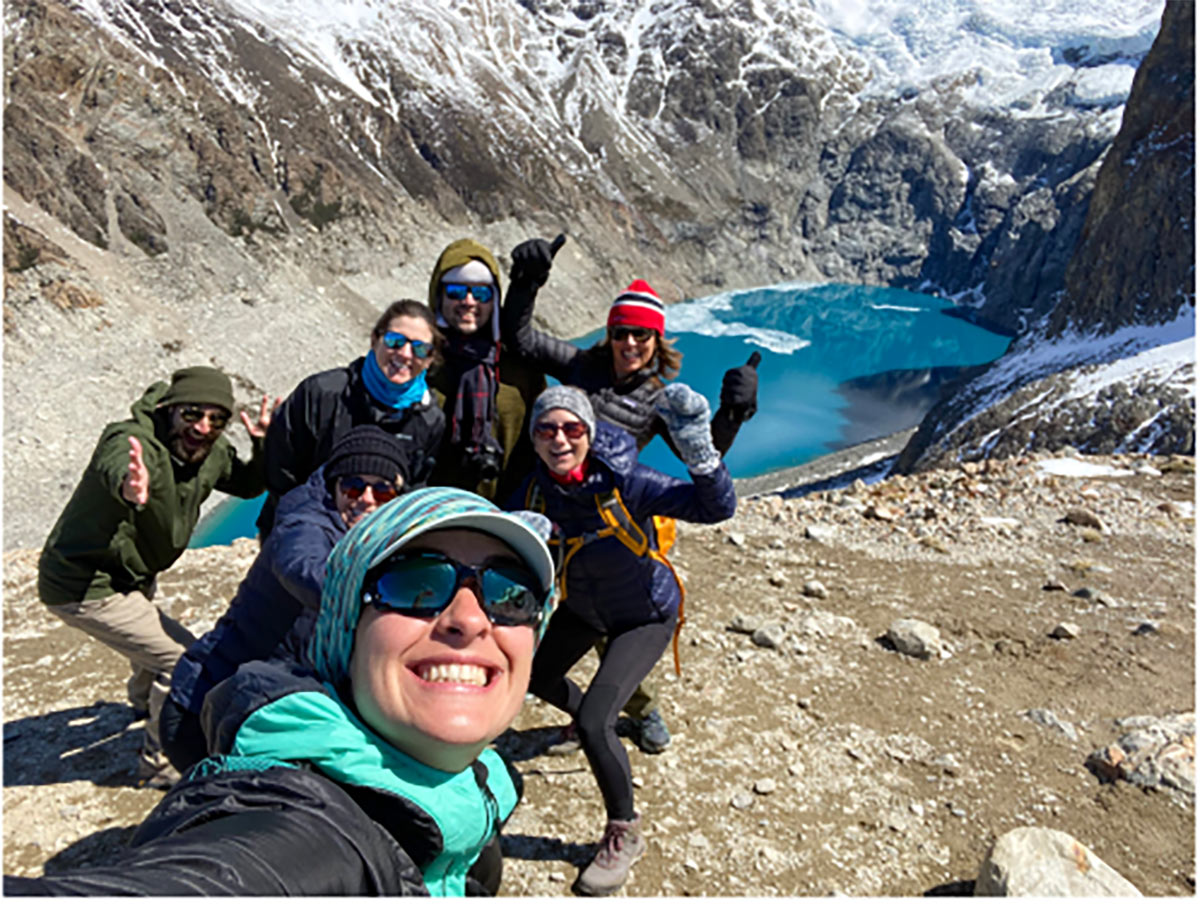
Gondwana Ecoutours specializes in small group and private tours to bucket list destinations around the world. Our itineraries are carefully curated to include both unique nature and culture and fun activities are suitable to most travelers. Traveling with guides who live in the communities we visit add depth and authenticity to the experience.
| See All Tours > |