Do the Northern Lights Ever Light Up Minnesota?
PRIVATE & SMALL GROUP TOURS TO THE WORLD'S BEST DESTINATIONS
Are You Planning A Trip To See The Northern Lights?

Northern Lights in Minnesota: A Tour Company's Guide to the Best Viewing Spots
Minnesota is one of the most dependable states in the Lower 48 for viewing the Northern Lights. Its high latitude, expansive wilderness, and proximity to the auroral oval make it a top destination for travelers chasing auroral displays. From the remote Boundary Waters to the scenic North Shore, Minnesota offers both accessibility and breathtaking backdrops for those hoping to witness this natural phenomenon.
Why Minnesota Is a Top State for Aurora Viewing
Minnesota’s northern geography and relatively low light pollution north of Duluth create ideal conditions for aurora sightings. The long, dark winters, especially along Lake Superior’s North Shore and in the Boundary Waters Canoe Area Wilderness (BWCAW), give visitors excellent odds of catching a show—particularly during strong solar activity.
When Could Minnesota Catch a Glimpse?
Minnesota is one of the most reliable states in the continental U.S. for northern lights viewing. Its northern latitude, abundant wilderness, and proximity to the auroral oval mean that auroras are visible several times each year, especially during active solar cycles. Displays often range from faint green arcs on the horizon to brilliant curtains and pillars stretching across the entire sky. The farther north you travel, particularly toward the Canadian border, the better your chances of witnessing vivid auroral activity.
How to Maximize Your Chances
- Monitor aurora forecasts from NOAA SWPC or the University of Alaska Fairbanks, and look for G2–G5 geomagnetic storm alerts, which frequently bring auroras to Minnesota.
- Head to dark-sky locations such as Voyageurs National Park, Boundary Waters Canoe Area Wilderness, or the North Shore of Lake Superior for unobstructed northern views.
- Choose cold, clear nights with minimal moonlight, as clouds and light pollution can quickly obscure auroral displays.
- Use a tripod and long-exposure camera settings to capture the full range of colors—greens, reds, and purples—that may not always be visible to the naked eye.
Best Places to See the Northern Lights in Minnesota
- Duluth: A scenic city on Lake Superior that serves as a base for nearby dark sky areas.
- North Shore: From Two Harbors to Grand Marais, this stretch offers stunning lakefront views under dark skies.
- Boundary Waters Canoe Area Wilderness: One of the darkest regions in the continental U.S., offering pristine conditions far from city lights.
When to Plan Your Northern Lights Trip
- Winter: ⭐⭐⭐⭐⭐ — Long, cold nights with frequent clear skies make this the best time of year.
- Fall: ⭐⭐⭐⭐ — Crisp air and early sunsets improve visibility and travel comfort.
- Spring: ⭐⭐⭐ — Early spring may offer aurora activity around the equinox, though conditions vary.
- Summer: ⭐ — Short nights and haze limit visibility, but brief shows are possible during strong KP events.
Can You See the Northern Lights in Minneapolis or Saint Paul?
It’s difficult. The Twin Cities have significant light pollution, and while faint auroras can appear during strong geomagnetic storms (KP 7+), visibility is often limited. For the best chance, drive at least an hour north to rural, open areas with clear northern horizons.
Where to Stay for Aurora Viewing
- Fitger’s Inn in Duluth: A comfortable, historic hotel with easy access to the North Shore.
- Cabins near Grand Marais: Ideal for secluded aurora watching with cozy lodging and lakeside views.
- BWCAW Outfitters: If you're heading deep into the wilderness, outfitters in Ely and Gunflint Trail offer lodging and gear for winter excursions.
Global Aurora Forecast (2026–2030)
While local conditions vary, the following outlook reflects global aurora expectations based on Solar Cycle 25, helping travelers plan ahead for stronger years of activity.
| Year | Aurora Activity Forecast | Notes |
|---|---|---|
| 2026 | ⭐⭐⭐⭐⭐ Very High | Solar Cycle 25 reaches its peak. High frequency of geomagnetic storms expected. |
| 2027 | ⭐⭐⭐⭐½ Extremely High | Post-peak year with continued storm activity and strong auroral displays. |
| 2028 | ⭐⭐⭐ Moderate to High | Activity declines slightly but strong displays still likely, especially in northern latitudes. |
| 2029 | ⭐⭐ Low to Moderate | Fewer storms, but brief aurora events possible during clear conditions. |
| 2030 | ⭐ Low | End of Solar Cycle 25. Aurora displays become less frequent and intense. |
Pro Tips from Our Aurora Tour Guides
- Monitor KP Index forecasts and local weather before heading out — use tools like the NOAA SWPC or My Aurora Forecast app.
- Bring cold-weather gear, especially from November to March, and plan for temperatures well below freezing.
- Use a camera with manual settings and a tripod to capture the full color range of auroras.
- Stay multiple nights to increase your odds — even in strong years, clouds or solar dips may delay sightings.
Looking for More Northern Lights Adventures?
While Minnesota offers solid chances, travelers hoping for near-guaranteed sightings may want to go further north. Compare your options with our full state-by-state guide:
Best U.S. States for Northern Lights Viewing
For the ultimate experience, join one of our expert-led tours in Fairbanks, Alaska — one of the most reliable places on Earth to view the aurora borealis.
Sources: NOAA SWPC, NASA, Aurora Tracks, Andy Keen, Space.com
Download all three Alaska tour brochures for tour dates and pricing.
Can I See The Northern Lights In North America?
We made it easy for you to know where in the USA you can see the Northern Lights. See a list of states below and how likely you would be to see the Northern Lights beside each state.
Filter by Aurora Visibility:
- Alabama (Not Likely)
- Alaska (Best Aurora Viewing!)
- Arizona (Low)
- Arkansas (Low)
- California (Low)
- Colorado (Moderate)
- Connecticut (Low)
- Delaware (Low)
- Florida (Not Likely)
- Georgia (Low)
- Hawaii (Not Likely)
- Idaho (Moderate)
- Illinois (Low)
- Indiana (Low)
- Iowa (Moderate)
- Kansas (Low)
- Kentucky (Low)
- Louisiana (Low)
- Maine (High Chances of Aurora Viewing)
- Maryland (Low)
- Massachusetts (Low)
- Michigan (High Chances of Aurora Viewing)
- Minnesota (High Chances of Aurora Viewing)
- Mississippi (Low)
- Missouri (Low)
- Montana (High Chances of Aurora Viewing)
- Nebraska (Moderate)
- Nevada (Low)
- New Hampshire (Moderate)
- New Jersey (Low)
- New Mexico (Low)
- New York (Moderate)
- North Carolina (Low)
- North Dakota (High Chances of Aurora Viewing)
- Ohio (Low)
- Oklahoma (Low)
- Oregon (Low)
- Pennsylvania (Moderate)
- Rhode Island (Low)
- South Carolina (Low)
- South Dakota (High Chances of Aurora Viewing)
- Tennessee (Low)
- Texas (Low)
- Utah (Low)
- Vermont (High Chances of Aurora Viewing)
- Virginia (Low)
- Washington (Moderate)
- West Virginia (Low)
- Wisconsin (High Chances of Aurora Viewing)
- Wyoming (Moderate)
If you’re interested in traveling with us, we’ve found Alaska to be the best destination. Learn about our adventure here: Northern Lights Tour in Fairbanks, Alaska
About Gondwana Ecotours
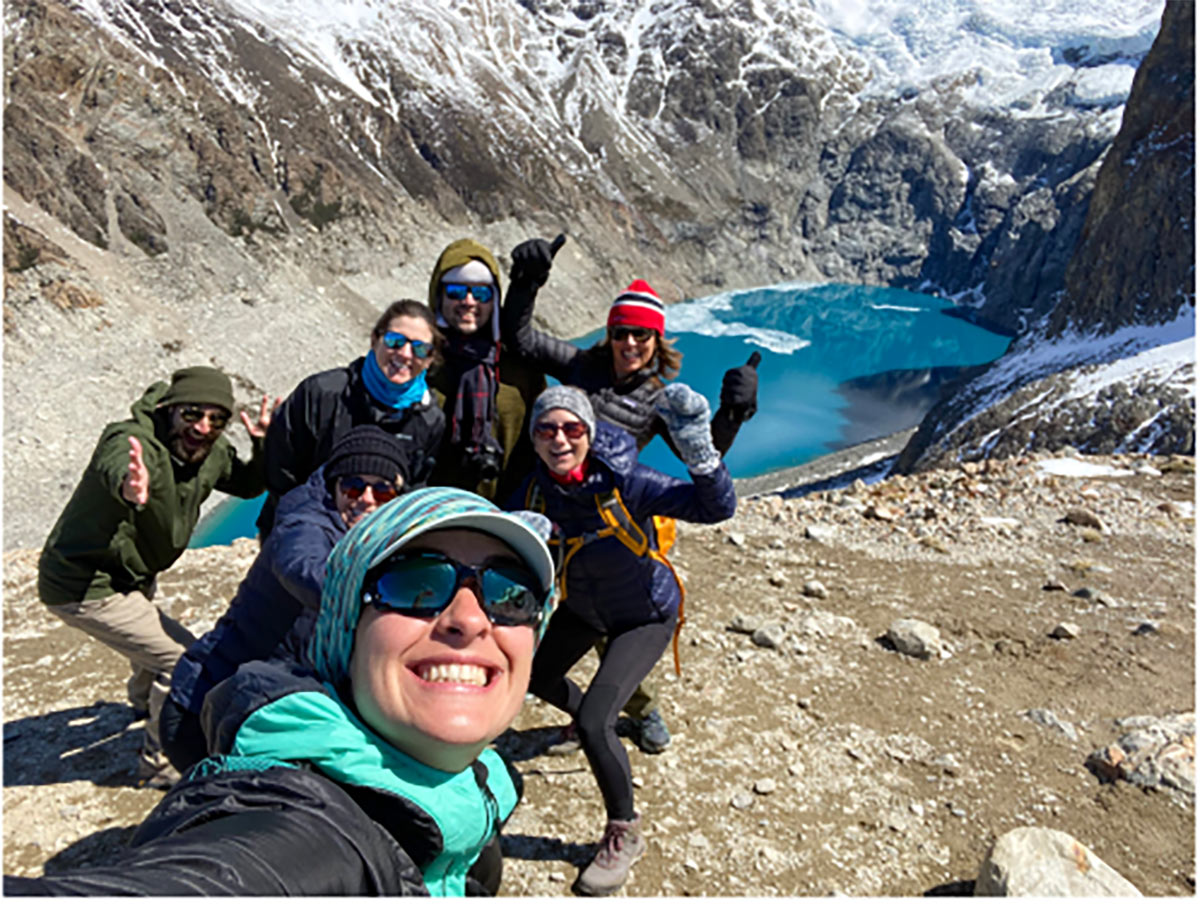
Gondwana Ecoutours specializes in small group and private tours to bucket list destinations around the world. Our itineraries are carefully curated to include both unique nature and culture and fun activities are suitable to most travelers. Traveling with guides who live in the communities we visit add depth and authenticity to the experience.
| See All Tours > |