Sustainable Safari Gear: How to Travel Lightly in Tanzania
Download Travel Details >PRIVATE & SMALL GROUP TOURS TO THE WORLD'S BEST DESTINATIONS
Join Us For A Safari In Tanzania

Eco-Friendly Travel Tips and Gear for a Safari Adventure
Tanzania is one of the most iconic safari destinations in the world. With its sweeping plains, legendary wildlife migrations, and vibrant local cultures, it’s easy to see why travelers are drawn to its national parks and game reserves. But as the popularity of African safaris grows, so does the responsibility to travel in a way that protects the environment.
If you want to learn what makes a safari sustainable, keep reading! This guide explores how to choose eco-conscious tour operators, offers eco-friendly travel tips, and reviews the sustainable safari gear you need before packing for your Tanzania safari.
Why Choose a Sustainable Safari?
Traditional safaris can sometimes have unintended consequences: the disruption of wildlife patterns, an increase in carbon emissions, and the sidelining of local communities from tourism revenue. Sustainable safaris, on the other hand, aim to minimize harm and maximize positive impact.
Here’s what sets sustainable safaris apart:
- Conservation-centered operations: Safaris that actively support wildlife protection efforts and national park upkeep.
- Community engagement: Trips that involve and benefit local tribes through jobs, education, and cultural exchange.
- Eco-lodging: Accommodations built with minimal environmental impact, often powered by renewable energy and designed to blend into the landscape.
- Responsible wildlife viewing: Maintaining respectful distances, limiting vehicle numbers, and avoiding off-road driving unless permitted.
By choosing the right tour operator and being a mindful guest, you help preserve Tanzania’s natural heritage while creating a more enriching travel experience for everyone!
Choosing an Ethical Safari Operator
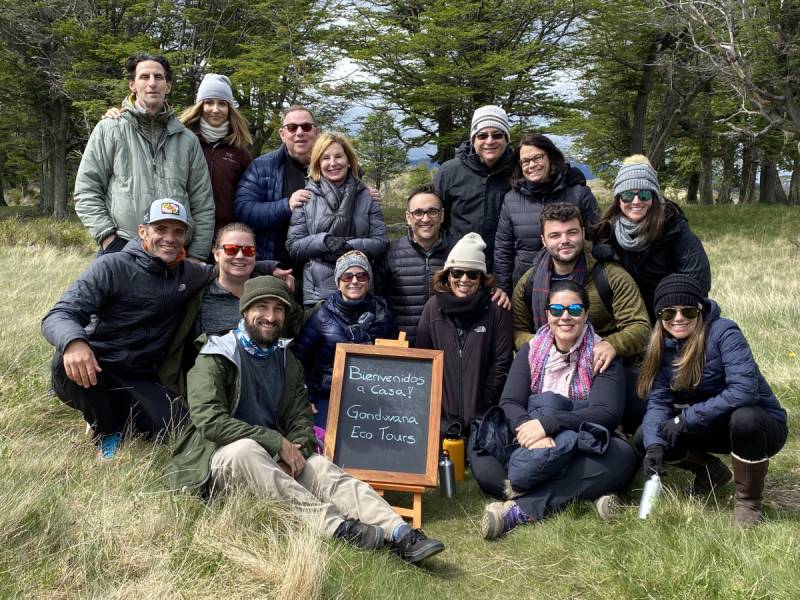
Your choice of safari company has one of the biggest impacts on the sustainability of your trip. Responsible safari operators, like Gondwana Ecotours, work closely with local communities, follow strict conservation practices, and avoid wildlife or cultural encounters that do not have the best interests of native wildlife or communities at heart.
Look for safari companies that:
- Are locally owned or directly support Tanzanian community initiatives.
- Limit group sizes to reduce environmental strain.
- Use solar energy or low-impact infrastructure in their camps.
- Employ local guides and staff.
- Support anti-poaching, education, or reforestation programs.
Look for a tour operator with a commitment to sustainability, conservation, and authentic, respectful cultural tourism – that’s one of the top eco-friendly travel tips to follow if you want to practice sustainable tourism.
Sustainable Safari Gear: What to Pack
Another way to practice sustainable tourism is to be mindful of what you pack for your Tanzanian safari. Packing for a Tanzania safari is about more than sun hats and binoculars—it’s also your chance to reduce single-use waste, stay prepared, and support eco-conscious practices. Here’s a list of sustainable safari gear that will help you stay prepared and reduce your travel footprint:
Eco-Friendly Safari Essentials:
- Reusable water bottle (preferably stainless steel or BPA-free plastic)
- Portable water filter or purification tablets
- Solar-powered charger or eco-friendly power bank
- Biodegradable soap, shampoo, and toothpaste in travel containers
- Reef-safe sunscreen and plant-based insect repellent
- Neutral-colored, quick-dry clothing made from recycled or organic fabrics
- Wide-brim hat and sunglasses for sun protection
- Reusable tote bag for shopping or laundry
- Zero-waste snack kit: reusable container and bamboo cutlery
Optional but Helpful Add-ons to your Sustainable Safari Gear:
- Compact binoculars for independent wildlife viewing
- Journal or field notebook made with recycled paper
- Lightweight, packable jacket for chilly mornings or unexpected rain
- A camera with rechargeable batteries to reduce waste
The gear listed above not only keeps your footprint light, it also helps you feel more connected to the natural world you’re exploring.
Top Safari Destinations with a Sustainable Focus
Tanzania offers a wide range of safari landscapes, from open plains to remote woodlands. Choosing the right destination can also enhance your sustainability efforts as you explore the country.
Destination #1: Serengeti National Park
Home to the Great Migration and abundant big cats, the Serengeti is iconic—but also heavily visited. To reduce your footprint, our top eco-friendly travel tip is to book your lodging in facilities adjacent to the park. This can reduce your impact within the park and contribute directly to local community projects.
Destination #2: Ngorongoro Conservation Area
Ngorongoro is ideal for travelers interested in both cultural and ecological sustainability. Here, you’ll discover a place where wildlife and Maasai communities co-exist. To make our trip even more sustainable, choose guides who offer respectful, educational cultural interactions.
Destination #3: Ruaha National Park
Less visited and wilder than the Serengeti, Ruaha is perfect for those seeking a quieter, more exclusive safari with fewer vehicles and more untouched habitats. Tourism revenue here plays a vital role in preserving lesser-known ecosystems. Because of its remote nature, however, make sure you pack all the sustainable safari gear your guide recommends!
Eco-Friendly Travel Tips for Safari Success
While gear is important, your behavior also plays a big role in supporting sustainability. Here are some eco-friendly travel tips that make a real difference:
Respect Native Wildlife!
- Never feed or approach animals.
- Stay inside the vehicle unless instructed otherwise.
- Keep noise to a minimum during wildlife sightings.
Waste Management
- Pack out all waste if facilities aren’t available.
- Say no to plastic bottles! Most lodges have refill stations and encourage refillable bottles.
- Choose products packed in reusable or recyclable packaging.
Support Local Communities
- Purchase crafts from women’s cooperatives or artisans.
- Eat at locally owned lodges or community-run camps.
- Tip generously if service is good—your money goes further here.
Carbon Consciousness
- Offset your flight emissions using trusted platforms suggested by your tour operator.
- Combine destinations to reduce internal flights, when possible.
- Choose longer stays in fewer locations over short tours of multiple venues.
The more intentional you are about your travel, the more rewarding your experience becomes—not just for you, but for the people and animals of Tanzania.
Cultural Etiquette: Respect Is Sustainable Too
Sustainability isn’t just about the environment. Being a respectful guest in someone else’s country is just as important. Here are a few quick cultural tips for traveling in Tanzania:
- Learn basic Swahili phrases like “Jambo” (Hello) and “Asante” (Thank you).
- Dress modestly, especially in villages and towns.
- Always ask before taking photos of people or private homes.
- Avoid cultural shows that feel inauthentic or staged or that exploit local communities.
And always remember - responsible tourism uplifts communities. It doesn't objectify them.
Sustainable Travel and Once-in-a-Lifetime Adventure!
A safari in Tanzania is often a once-in-a-lifetime journey—but that doesn't mean your impact should end when you fly home. By following eco-friendly travel tips, making thoughtful choices, and packing sustainable travel gear, you can ensure your visit contributes to the conservation and well-being of this extraordinary country. And, when you book with a responsible tour operator, you’re not just observing nature – you’re protecting it.