A Walking Safari Tanzania with Low-Impact Trekking
Download Travel Details >PRIVATE & SMALL GROUP TOURS TO THE WORLD'S BEST DESTINATIONS
Join Us For A Safari In Tanzania

Discover Walking Safaris in Tanzania's Wild Spaces
Tanzania is world-famous for its sweeping savannas, iconic wildlife, and unforgettable safari experiences. While traditional game drives remain popular with tourists, a quieter and more immersive way to explore is gaining attention with those interested in sustainable experiences: walking safaris and eco-conscious trekking.
A walking safari Tanzania experience allows travelers to connect with nature on a deeper level. Without the barrier of a vehicle, every sound, track, and movement becomes more vivid. Combined with sustainable practices, these immersive adventures offer a meaningful way for travelers to explore Tanzania while protecting the environment.
Why Choose a Walking Safari Tanzania Experience?
A walking safari Tanzania adventure is unlike any other wildlife experience. Instead of observing animals from a distance, travelers become part of the landscape, guided by expert rangers who interpret the environment in real time.
This style of travel emphasizes awareness and respect, while emphasizing low-impact hiking Africa. Hikers learn to notice smaller details often missed on traditional safaris, such as animal tracks, plant life, and bird calls. These insights create a richer and more educational experience.
Walking safaris also tend to have a lower environmental impact. Smaller group sizes and minimal infrastructure reduce strain on ecosystems, making them an ideal option for eco-conscious travelers.
The Rise of Low-Impact Hiking Africa
The growing popularity of walking safari Tanzania has brought increased attention to the need for sustainable travel practices. As more travelers seek immersive, nature-based experiences, destinations must carefully manage tourism to protect fragile ecosystems that are popular with travelers. Low-impact trekking has emerged as a critical approach—one that allows visitors to experience Africa’s landscapes while safeguarding wildlife, habitats, and local communities.
Why Low-Impact Trekking Is Becoming More Important
- Rising tourism pressure: Increased visitation to national parks and conservation areas can strain ecosystems, leading to habitat degradation, trail erosion, and wildlife disturbance.
- Protection of biodiversity: Africa is home to some of the world’s most diverse and sensitive ecosystems. Low-impact hiking practices help preserve endangered species and maintain ecological balance.
- Climate and environmental concerns: Many regions are already facing the effects of climate change, making it even more important to reduce additional human impact.
- Cultural and community preservation: Sustainable trekking helps protect not only natural environments but also the traditions and livelihoods of local communities.
How Low-Impact Hiking Africa Supports Conservation
- Strict guided trekking practices: Walking safari Tanzania tours, which follow clear rules—such as maintaining safe distances from wildlife and avoiding ecologically sensitive areas—to minimize disruption.
- Reinvestment in conservation efforts: Tourism revenue is often funneled back into protecting wildlife, maintaining trails, and funding environmental initiatives.
- Support for local communities: Many trekking programs create jobs and economic opportunities for local guides and residents, encouraging long-term stewardship of the land.
- Education and awareness: Travelers gain a deeper understanding of conservation challenges, helping foster a sense of responsibility and advocacy beyond their trip.
As low-impact hiking Africa continues to grow in importance, it represents a powerful model for sustainable tourism across the region. By choosing responsible travel practices, visitors not only reduce their footprint but also actively contribute to the protection of the landscapes and communities that make these experiences so meaningful.
Eco-Trekking Selous: A Hidden Gem for Sustainable Travel
One of the best places to experience eco-trekking Selous is in the vast wilderness of the Selous Game Reserve, now part of Nyerere National Park. This region offers a more remote and less crowded alternative to Tanzania’s northern parks.
Eco-trekking Selous adventures focus on sustainability and immersion. Visitors explore diverse landscapes, including rivers, woodlands, and open plains, all while guided by experts who prioritize conservation.
The Selous Game Reserve is home to a wide range of wildlife, from elephants and giraffes to hippos and crocodiles. Walking through these habitats provides a unique perspective, allowing travelers to observe animals in a natural and respectful way.
Because Selous is less developed, eco-friendly practices are essential. Lodges and tour operators often emphasize minimal environmental impact, using solar power, reducing waste, and supporting local communities.
What to Expect on a Walking Safari Tanzania
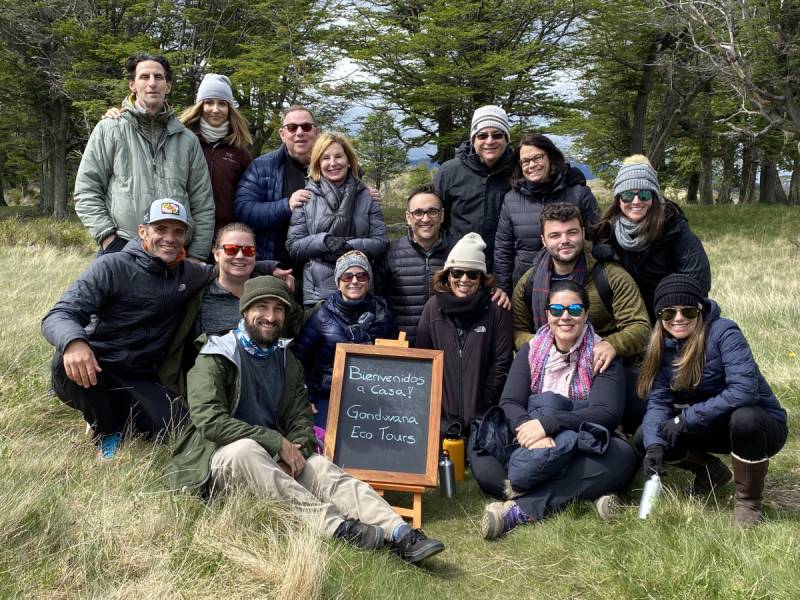
A walking safari Tanzania experience is carefully structured to ensure both safety and sustainability. Guided by trained professionals, like the ones who work with Gondwana Ecotours, small group tours explore designated areas while learning about the local ecosystem.
Each walk is different, but common elements include:
- Tracking animals through footprints and signs
- Learning about native plants and their uses
- Observing birds and smaller wildlife in the region
- Understanding animal behavior and habitats
These safaris typically take place in the early morning or late afternoon when temperatures are cooler and wildlife is more active. The pace is relaxed, allowing participants to fully absorb their surroundings.
Safety is always a top priority. Guides are highly trained in wildlife behavior and carry the necessary equipment to handle unexpected situations. Their expertise allows travelers to feel secure while enjoying a close-to-nature experience during a low-impact hiking Africa excursion.
Sustainable Practices for Low-Impact Hiking Africa
Sustainability is the foundation of low-impact hiking Africa, shaping how travelers prepare for and engage with the natural world. As tourism continues to grow, adopting responsible habits is essential to preserving the ecosystems that make these experiences so unique.
#1: Prepare with Sustainability in Mind
Bringing reusable water bottles, avoiding single-use plastics, and choosing durable, eco-friendly gear help reduce waste before the journey even begins.
#2: Stay on Designated Paths
Following marked trails protects fragile vegetation, prevents soil erosion, and minimizes disruption to wildlife habitats during a walking safari Tanzania.
#3: Respect Wildlife and Surroundings
Keeping noise levels low and maintaining a safe distance from animals helps preserve natural behaviors and reduces stress on wildlife.
#4: Practice Responsible Waste Management
Packing out all trash and leaving no trace ensures that parks and conservation areas remain clean and undisturbed, and that you are following leave no trace principles.
These practices may seem simple, but their collective impact is powerful in protecting Africa’s landscapes. By making mindful choices, travelers become active participants in conservation and help ensure these environments remain intact for future generations.
Wildlife Encounters on a Walking Safari Tanzania
One of the most exciting aspects of a walking safari Tanzania is the chance to encounter wildlife up close. While large animals are often seen from a safe distance, smaller details become just as fascinating. Insects, birds, and plant life take on new significance when viewed on foot. Guides help interpret these elements, turning each walk into an educational experience.
Encounters with larger animals, such as elephants or giraffes, are carefully managed to ensure safety. Maintaining a respectful distance allows wildlife to behave naturally while minimizing stress. This approach aligns with the principles of low-impact hiking Africa, ensuring that wildlife remains undisturbed.
Tips for a Successful Low-Impact Hiking Africa Adventure
Preparing for a walking safari or trekking experience in Tanzania goes beyond simply gathering gear—it requires a thoughtful, conservation-minded approach. Entering these environments means stepping into delicate ecosystems where awareness, respect, and preparation directly impact both your experience and the preservation of the landscape.
Top tips to help ensure your walking safari Tanzania is just as sustainable as it is amazing include:
- Dress to minimize disruption: Wearing neutral-colored clothing (such as khaki, olive, or brown) helps you blend into the natural surroundings and avoid drawing unnecessary attention from wildlife.
- Pack intentionally: Carrying only essential, lightweight gear reduces physical strain and minimizes environmental impact, especially on longer treks through sensitive terrain.
- Follow guide expertise: Listening carefully to trained guides is critical for both safety and conservation, as they understand animal behavior, terrain risks, and appropriate distances.
- Practice calm, observant behavior: Remaining quiet, composed, and attentive during wildlife encounters helps prevent startling animals and allows for more authentic, low-impact experiences.
- Prioritize hydration and sun protection: Tanzania’s climate can be intense, so bringing sufficient water, wearing sun protection, and pacing yourself are key to maintaining energy and well-being while low-impact hiking Africa.
Being physically and mentally prepared not only enhances your safety but also allows you to engage more meaningfully with the environment. This mindful approach ensures that your presence supports, rather than disrupts, the ecosystems you’ve come to experience.
Final Thoughts on Walking Safari Tanzania and Sustainable Trekking
Walking safaris and eco-trekking offer a powerful way to experience Tanzania’s natural beauty. They combine adventure, education, and sustainability into a single, unforgettable journey. A walking safari Tanzania experience allows travelers to slow down and truly connect with the environment. Eco-trekking Selous provides a more remote and intimate perspective, while low-impact hiking Africa ensures that these experiences remain sustainable.
By embracing responsible travel practices and booking with a sustainable tour operator, visitors will enjoy incredible adventures and play a key role in protecting Tanzania’s wilderness. The result is a deeper, more meaningful connection to one of Africa’s most remarkable destinations.