Argentina Ecosystems: From the Pampas to the Andes Mountains
Download Travel Details >PRIVATE & SMALL GROUP TOURS TO THE WORLD'S BEST DESTINATIONS
Join Us In Argentina!

Explore the Diverse Landscapes of Argentina
Argentina is a land of dramatic contrasts, with its vast grasslands, majestic mountains, and stunning glacial regions stretching out toward the horizon. The geographic diversity of Argentina ecosystems makes it one of the most popular destinations in the world for adventure-seekers as well as those who crave cultural experiences. Key regions include the Pampas and the Andes, which reflect the country’s diverse ecological landscape and underscore the importance of sustainable tourism practices.
The Rich Diversity of Argentina Ecosystems
Argentina spans a vast stretch of South America, encompassing a remarkable range of environments. This geographic scale contributes to significant regional variation in climate, biodiversity, and land use across the country.
- Expansive grasslands: The Pampas region consists of fertile, flat plains that support agriculture and livestock grazing. But they are also home to native species such as rheas and pampas deer.
- Alpine mountain systems: The Andes Mountains run along Argentina’s western border, featuring high-altitude ecosystems with unique plant and animal life adapted to colder temperatures and lower oxygen levels. This region includes well-known peaks like Aconcagua, where visitors can enjoy activities such as trekking and mountaineering.
- Glacial fields: Southern Argentina, particularly in Patagonia, features extensive ice fields and glaciers, including those located in Los Glaciares National Park. These formations are important freshwater reserves and are viewed as important indicators of climate change.
- Forests and steppe regions: Argentina includes subtropical forests in the north, such as those near Iguazú Falls, as well as the arid steppe landscapes in Patagonia. These contrasting environments support a wide range of biodiversity, from dense vegetation and tropical wildlife to drought-resistant shrubs and grazing animals.
The diversity of the country creates fragile ecosystems that require careful stewardship. Tourism plays a significant role here—when managed responsibly, it can help fund conservation efforts and support local communities.
The Argentina Pampas: Culture, Agriculture, and Conservation
The Argentina Pampas are known for their fertile soil and deep cultural traditions. These plains are central to Argentina’s agricultural economy and the iconic gaucho lifestyle.
Small group tours across the Pampas offer a more responsible way to explore this region by:
- Supporting family-run estancias rather than large commercial operations
- Reducing environmental strain on land and livestock
- Preserving traditional practices and rural livelihoods
Travelers can enjoy:
- Horseback riding across open plains
- Authentic Argentine asado (BBQ)
- Cultural exchanges with local hosts
By choosing smaller, locally focused experiences, visitors help maintain the balance between agriculture and conservation in the Argentina Pampas. This approach can also provide more direct economic benefits to local communities while reducing pressure on heavily visited areas.
The Andes Mountains: Protecting a Fragile Alpine Environment
The Andes Mountains are one of the most awe-inspiring features of Argentina ecosystems. However, these environments are also highly sensitive to human impact. Sustainable travel is one way to protect and preserve this fragile landscape.
Why Sustainable Travel Matters in the Andes
- Alpine vegetation is slow to recover from damage
- Wildlife habitats are easily disrupted
- Climate change is already affecting glaciers and snowpack
Small group tours minimize impact by:
- Using established trails
- Limiting group size to reduce erosion
- Partnering with conservation-focused operators
Travelers benefit from a quieter, more immersive experience while helping preserve the integrity of the Andes Mountains. This type of travel can also reduce environmental strain on high-traffic routes and protect alpine ecosystems.
Patagonia: A Model for Eco Tourism
Patagonia stands as one of the last vast wilderness regions in the world. Its dramatic landscapes, including Glacier National Park and Mount Fitz Roy, highlight the importance of eco-tourism within Argentina ecosystems. When considering your travel options, it’s important to remember what responsible exploration in Patagonia looks like.
Visitors can:
- Follow well-managed hiking routes
- Stay in eco-conscious lodges
- Participate in guided tours that emphasize conservation
Small group travel is particularly important here because it:
- Reduces overcrowding in remote areas
- Limits waste and resource consumption
- Ensures wildlife is observed respectfully
Patagonia’s beauty depends on maintaining its wild character, and eco-tourism plays a key role in that effort. Travelers who want to preserve the country’s wild spaces should always book their trip with a tour operator that follows sustainable guidelines.
Walking on Ice: Preserving the Perito Moreno Glacier
The Perito Moreno Glacier is one of the most iconic natural wonders in Argentina ecosystems. Its massive scale and constant movement draw visitors from around the world. Many tour guides offer sustainable glacier experiences that allow adventure-seekers to view these massive ice blocks up close, while still following sustainable practices that protect them.
Guided, small group excursions help protect this fragile environment by:
- Controlling foot traffic on the ice: Limiting group sizes and following designated routes reduces physical stress on the glacier surface and helps prevent accidents or long-term surface damage.
- Educating visitors about glacial systems: Guides often provide information about how glaciers form, move, and respond to climate conditions, helping visitors better understand their significance and vulnerability.
- Enforcing strict environmental guidelines: Tour operators typically require trekkers to follow rules such as leaving no waste behind, avoiding contact with sensitive areas, and using approved equipment to minimize impact on the ice and its surrounding ecosystem.
Walking on a glacier offers visitors a direct way to observe the structure and movement of these icy behemoths up close. These guided mini-treks also provide insight into how glacial systems are changing and why their preservation matters so much for our planet.
Eco-Tourism and Local Culture
Sustainable travel in Argentina ecosystems goes beyond environmental protection. It also strengthens cultural preservation. Visitors can support local communities through their travel.
Eco tourism initiatives often:
- Employ local guides
- Promote regional cuisine and traditions
- Keep tourism revenue within communities
Travelers gain a richer experience by:
- Learning directly from locals
- Enjoying authentic food like Argentine asado
- Understanding the connection between land and culture
This approach ensures that tourism benefits both people and the environment. And, it creates an immersive, one-of-a-kind travel experience for visitors.
Why Small Group Tours Make a Difference
Choosing small group tours is one of the simplest ways travelers can reduce their impact while exploring Argentina ecosystems. Smaller groups typically require fewer resources and allow for more controlled, lower-impact interactions with natural environments.
Key Benefits of small group tours include:
- Lower environmental footprint: Fewer people means less strain on natural areas
- Better wildlife experiences: Animals are less disturbed by smaller groups
- Deeper cultural connection: More meaningful interactions with local communities
- Improved safety and guidance: Expert-led experiences enhance understanding
Rather than rushing through destinations, small group travel encourages a slower, more thoughtful pace. It also allows travelers to immerse themselves in the travel experience, rather than rushing from highlight to highlight and never really enjoying the trip!
Outdoor Activities with Purpose
Argentina’s varied landscape supports a wide range of outdoor activities, and eco-tourism approaches aim to keep these environments accessible while minimizing long-term impact. Thoughtful planning and responsible operators play a key role in balancing recreation with conservation.
- Hiking in Patagonia on marked trails: Following established routes in regions like Patagonia helps prevent soil erosion, protects native vegetation, and reduces disturbance to wildlife. Many parks also use trail systems to manage visitor flow and preserve more sensitive areas.
- Horseback riding in the Argentina Pampas with local guides: Guided rides across the Pampas provide insight into traditional land use and rural gaucho culture and local estancias. Local guides also know which paths to avoid, so as not to overuse specific areas.
- Glacier trekking with certified operators: Exploring glaciers with trained professionals—particularly in areas like Los Glaciares National Park—ensures that safety protocols and environmental guidelines are followed. Certified operators limit group size, use proper equipment, and avoid sensitive zones on the ice.
- Wine tasting at sustainably run vineyards: In well-known wine regions such as Mendoza, some vineyards incorporate water conservation, organic farming, and minimal chemical use into their operations. Visiting these producers supports agricultural practices that are more environmentally conscious and puts the emphasis on sustainable winemaking in Argentina.
Each activity provides a way to experience Argentina’s landscapes while contributing to their long-term preservation when managed responsibly. This balance helps ensure that tourism continues to support both environmental protection and local economies over time.
A More Meaningful Way to Experience Argentina Ecosystems
Travelers today are increasingly aware that their choices matter. In a country as ecologically diverse as Argentina, this awareness is especially important to protect native flora and fauna. From the sweeping Argentina Pampas to the towering Andes Mountains, Argentina ecosystems offer unforgettable beauty and diversity. But these landscapes are not indestructible. Instead, they depend on responsible and sustainable travel practices to survive.
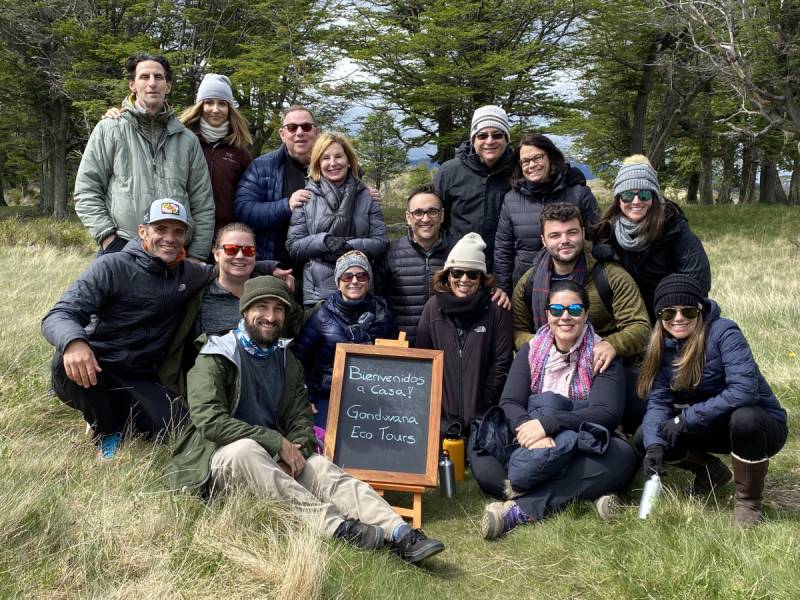
Small group tours and eco-tourism provide a guideline for travelers who want to experience Argentina’s natural wonders while still being mindful of its fragile resources. These types of travel experiences allow travelers to walk on the Perito Moreno Glacier, hike Fitz Roy Mountain, and savor local traditions, all while preserving them. In the end, the most rewarding journeys are not just about what is seen, but about what is protected along the way. Small group tours with sustainable, responsible tour operators ensure the places you visit in Argentina are protected for generations to come.