Book a Northern Lights Tour Early for More Aurora Sightings
Download Travel Details >PRIVATE & SMALL GROUP TOURS TO THE WORLD'S BEST DESTINATIONS
Three Amazing Alaskan Vacations To Choose From!
Summer Trips To Alaska
Grizzlies & Glaciers Tour
Winter Trips To Alaska
See The Northern Lights
Summer Trips To Alaska
Denali Discovery Adventure

Secure the Right Alaska Departure for Multiple Nights Under the Aurora
Nobody can promise the northern lights on a given night. What you can control is how many nights you spend under the vast Northern sky, which part of the season you travel in, and how much time you have to prepare. Booking your trip early helps with all three.
Here is what to expect if you book a northern lights tour early, and what to check before you commit to a date.
More Nights Under Dark Skies Means Better Odds
The aurora depends on solar activity, and clouds can hide an active display even when the lights are overhead. A single night leaves little room for either to cooperate. Our first-time northern lights guide points out that one clear evening with weak activity can be followed by a night when the sky comes alive.
Extra nights also take pressure off seeing the aurora. You do not have to spend the first evening worrying that you missed your only chance. You can learn how the forecasts work, stay warm, and know another chance to see the night sky light up is coming. Our guide to aurora viewing in Anchorage makes the same point and suggests planning three nights or more.
The most common planning mistake people make is giving the trip only one night. If the weather turns cloudy or the aurora stays quiet, there is no second opportunity. The lights can also be subtle, and careful watching is sometimes needed to notice the first faint movement overhead.
Aurora Season Runs Late August to Late April, So Your Dates Matter
Alaska's aurora season runs from late August to late April, with its peak in March. As the season moves into winter, nights get longer, which gives you more hours of darkness. Our guide to the best time of year to view the northern lights in Alaska compares the months in detail.
Equinox Months Run Strong
Aurora displays tend to get stronger around the September and March equinoxes, and spring brings a better chance of clear, dry skies. Our post on the equinox and the northern lights explains why activity rises twice a year.
Deep Winter Means Longer Nights and Deeper Cold
Winter in Alaska runs roughly from October through March, and December and January are the darkest and coldest months. Fairbanks averages a January high near 0°F and a low near -15°F, and cold snaps can occasionally reach -50°F. Holiday travel can also cost more. Late February and early March are peak visiting times, and March is one of the best times to book a northern lights tour. Our Alaska winter travel guide covers the trade-offs you will experience traveling deep into the winter season.
One key point to remember is to plan for late nights. In most areas of Alaska, the best viewing hours fall between 9 p.m. and 2 a.m. The Alaska brochures list tour dates and pricing, so compare each departure against the season before you choose.
The Aurora Cannot Be Guaranteed but Planning Improves Your Chances
No one can control the sun or the clouds on a northern lights tour. Good planning gives you more chances without promising what you'll see.
Cloud Cover and Forecast Tools
Clear skies matter as much as solar activity. Coastal areas tend to carry more moisture and overcast weather, while interior locations have statistically more clear nights. Fairbanks sits beneath the auroral oval, and even a short drive away from city lights can improve the night sky.
Travelers often follow the NOAA Space Weather Prediction Center and the University of Alaska Fairbanks aurora forecast. Our NOAA G-scale guide explains what the storm levels mean, so the forecasts make sense when you see them.
Guides Can Chase Clearer Skies
On a small group tour, a local guide watches the forecast and weather and can move the group if clouds settle over one area. Our small group northern lights planning guide explains how this flexibility works.
A typical guided outing includes checking the latest aurora and weather forecasts, traveling away from city lights, waiting comfortably while you watch the sky, and getting help with photography. No evening is guaranteed, but a multi-night itinerary with local knowledge gives you more opportunities to see the lights.
Fairbanks Gives You Daytime Adventures Between Aurora Nights
Fairbanks is a natural base for a first aurora trip. It puts you within reach of good viewing locations and gives you plenty to do while the sun is up. You can explore the city and the winter landscape, then rest before heading back out after dark to chase the northern lights.
That rhythm makes the trip an Alaska adventure, not several nights of waiting. A well-planned itinerary also leaves room to enjoy the wildlife, local experiences, and time outdoors when the sky is not cooperating. Our Fairbanks travel guide covers the area in more detail and gives you ideas for daytime activities.
Early Planning Gives You Time to Prepare for the Cold
Aurora viewers can stand outside for a long time, sometimes in the middle of the night. A well-planned itinerary builds in chances to warm up, and the right gear makes the difference between a chilly night and a comfortable viewing experience. Our guide to aurora viewing recommends the following items:
- Wool socks and moisture-wicking base layers
- Insulated snow pants and a warm coat, preferably synthetic rather than down
- Insulated boots, a wool hat, and a scarf or gaiter
- Mittens with liners, plus hand warmers
Capturing souveneir images of the aurora is one of the most popular activities on an aurora trip. To ensure you get the best picture of this incredible phenomenon, practice with your camera before you leave home. Northern lights photography often needs different settings than ordinary night photography, and our guide to the best camera for photographing the northern lights is a good place to start. For the vocabulary you will hear on tour, browse our northern lights glossary.
Lock In Your Dates and Start Preparing
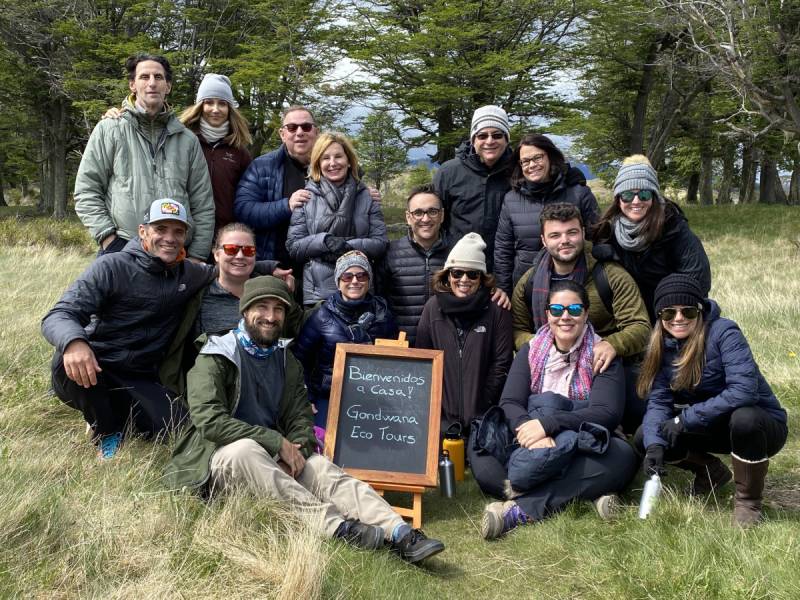
The earlier you choose a departure date, the more nights you can plan for, the more time you have to prepare, and the lower the cost of changing your mind. You can also meet the trip leaders who guide our Gondwana tours.
For more details about what is included in our itineraries, please visit our tour pages before booking.
Ready to plan your trip? Download our travel details to see the itinerary and upcoming departures for the Alaska Northern Lights Adventure.