Andean Condor Argentina: Conservation, Tourism, and the Future of a Sky Giant
Download Travel Details >PRIVATE & SMALL GROUP TOURS TO THE WORLD'S BEST DESTINATIONS
Join Us In Argentina!

Condor Conservation Tours in Patagonia
If you’re traveling through Patagonia, there will come a moment when the sky darkens, and you instinctively look up. That’s when you’ll see it – the Andean condor, with its wide wingspan, soaring high above your head. For many travelers, experiencing the Andean condor Argentina landscape like this feels almost surreal, like watching a living symbol of wilderness glide across the sky.
For many visitors, seeing the Andean condor is more than just a wildlife encounter. It provides insight into the region’s conservation efforts, local culture, and the ways responsible travel through small group tours can support the protection of this remarkable species.
The Majesty of the Andean Condor
The Andean condor (Vultur gryphus) is one of the largest flying birds on Earth, with a wingspan that can exceed 10 feet. Despite their size, they are incredibly graceful in flight, often soaring for hours without flapping their wings as they ride thermal currents rising from cliffs and valleys. Many visitors say raptor watching Patagonia is both peaceful and powerful.
In Argentina, condors are especially prominent in the Andes and across Patagonia, where open terrain and strong winds create ideal flying conditions. But their importance goes beyond their physical presence. Condors play a vital ecological role as scavengers, helping to clean the environment by feeding on carrion. This natural process reduces the spread of disease and supports ecosystem health in ways that often go unnoticed.
The Andean condor Argentina also holds deep cultural meaning. For many Indigenous communities, condors are seen as spiritual beings—symbols of strength, freedom, and connection between the earth and the sky.
Challenges Facing Condors Today
Despite their strength and symbolism, condors face real and ongoing threats. Across South America, populations have declined due to a combination of human-related factors, and conservationists continue to work hard to reverse this trend.
Some of the main challenges facing condors today include:
- Poisoning from carcasses intended for predators: Andean condors are highly susceptible to toxins when they feed on carcasses that have been deliberately poisoned to control predators like pumas or foxes. Even small amounts of toxic substances can be lethal, leading to population declines.
- Lead contamination from hunting ammunition: Condors can ingest fragments of lead bullets or shot left in the carcasses of hunted animals. Since condors are scavengers at the top of the food chain, even low levels of lead can accumulate over time, posing a serious threat to their survival.
- Habitat disruption from infrastructure and development: Disturbances from tourism, agriculture, and construction can also displace birds, interrupt breeding cycles, and limit access to traditional roosting areas, making survival and reproduction more challenging for native wildlife.
- Slow reproduction, with pairs raising just one chick every couple of years: Andean condors reproduce slowly, typically laying a single egg every 1–2 years. Even minor increases in adult mortality can have long-lasting impacts on population stability, emphasizing the importance of conservation efforts.
Because condors reproduce so slowly, even small population losses can have long-term impacts. This makes condor conservation tours especially important in places like Argentine Patagonia, where healthy populations of the bird still exist.
The Rise of Condor Conservation Tours
As awareness around sustainable travel options grows, more travelers are seeking meaningful wildlife experiences. This has led to the rise of condor conservation tours, which focus on both observation and education.
These tours offer visitors a chance to see condors in the wild while learning about the challenges they face and the work being done to protect them. Tour guides often share insights into condor behavior, conservation strategies, and the broader ecosystem, turning a simple outing into a richer, more informed experience. Rather than passive sightseeing, these tours encourage travelers to engage with conservation thoughtfully and respectfully.
Why Small Group Tours Make a Difference
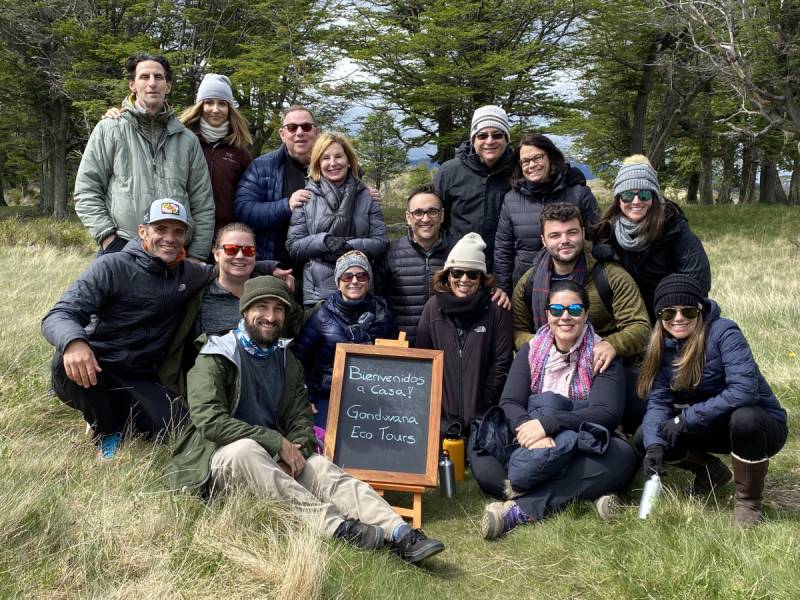
Not all tourism supports Andean condor Argentina conservation equally. Small group tours, in particular, play an important role in protecting condors while enhancing the traveler experience. Here’s why they matter:
#1: Less Disturbance
Smaller groups create less noise, movement, and overall presence in sensitive areas. This is especially important near condor nesting or roosting sites, where excessive disturbance can stress the birds, disrupt feeding or breeding behavior, and reduce chick survival rates.
#2: Better Learning
With fewer participants, guides can provide more personalized explanations, share detailed ecological and cultural insights, and answer individual questions in depth.
#3: Stronger Local Impact
Small group condor conservation tours often collaborate with local communities, employing regional guides, supporting local accommodations, and sourcing supplies locally. These partnerships ensure that tourism benefits local people and contributes to broader conservation initiatives, creating a more sustainable and ethical travel model.
#4: Direct Support
Revenue from responsible tours often funds critical conservation programs, such as condor research, rescue and rehabilitation efforts, national parks, and public education campaigns. By participating in these tours, visitors ensure that raptor watching Patagonia contributes directly to the protection and recovery of condor populations.
By choosing smaller, responsible tours, travelers help reduce pressure on wildlife, protect fragile habitats, and actively support long-term conservation efforts that make a real difference for condors and the ecosystems they inhabit.
Raptor Watching Patagonia: A Bird Lover’s Dream
For wildlife enthusiasts, raptor watching Patagonia is an unforgettable experience. The region’s vast landscapes and steady winds make it one of the best places in the world to observe birds of prey in their natural habitat, soaring high in the sky.
While condors are the highlight, they share the skies with a variety of other raptors, including hawks, eagles, and caracaras. Watching multiple species glide, hunt, and interact within the same environment offers a deeper appreciation for the complexity of Patagonia’s ecosystems. Even for those who aren’t dedicated birdwatchers, the sheer scale and beauty of these birds in flight is captivating.
How to Watch Condors Responsibly
Seeing condors in the wild is a privilege, and it’s important to approach the experience with care. Ethical condor conservation tours ensure that tourism remains a positive force rather than a disruptive one. Here are some dos and don’ts to keep in mind when on an Andean condor Argentina tour.
Do:
- Keep a respectful distance from birds and nesting sites at all times
- Use binoculars or zoom lenses for closer views, to protect yourself and the birds
- Follow your guide’s instructions at all times
- Stay quiet and move slowly around wildlife sites
Don’t:
- Approach or attempt to feed condors
- Use drones near wildlife
- Make loud noises or sudden movements
- Leave any waste behind
These simple practices help protect condors and ensure that others can enjoy the same experience in the future. These simple practices help protect condors and ensure that others can enjoy the same experience in the future.
The Traveler’s Role in Condor Conservation
Travelers have more influence than they might realize. By choosing ethical tour operators for Andean condor Argentina viewing experiences, visitors directly support the protection of these birds and the landscapes they depend on.
Tourism can create economic incentives for conservation, especially in rural areas where wildlife may otherwise be seen as a threat. When communities benefit from protecting condors, attitudes shift, and long-term conservation becomes more sustainable. In this way, every responsible trip becomes part of a larger effort to preserve biodiversity.
Planning Your Condor Experience
If you’re considering a trip focused on Andean condor Argentina, a bit of planning can make the experience even more rewarding. Your tour operator will be able to help you plan an experience of a lifetime.
- Best locations: Patagonia and Andean regions with cliffs and open terrain
- Best time to visit: Spring through early autumn for optimal conditions
- What to bring: Binoculars, windproof clothing, and patience!
Condor sightings aren’t always guaranteed, but that’s part of what makes them special. The experience is as much about the landscape and the journey as it is about the moment itself.
Preserving Andean Condors in Argentina for the Next Generation
The experience of raptor watching Patagonia is about more than spotting birds—it’s about connection. Imagine standing in a wild place, looking up, and seeing an Andean condor. The experience makes tourists realize just how much there is to protect.
Andean condors Argentina remind us that conservation is not just a scientific effort, but a shared responsibility. Through sustainable travel, condor conservation tours help ensure that these incredible birds continue to soar over Argentina for generations to come.