Where Can I See The Northern Lights In Alaska?
PRIVATE & SMALL GROUP TOURS TO THE WORLD'S BEST DESTINATIONS
Are You Planning A Trip To See The Northern Lights?

Northern Lights Forecast and Viewing Guide: Alaska
At Gondwana Ecotours, we lead small-group tours designed to give travelers one of the most awe-inspiring experiences on Earth—watching the Northern Lights dance across the Alaskan sky. If witnessing the aurora borealis is on your bucket list, there's no better destination in the U.S. than Alaska. With powerful geomagnetic activity, minimal light pollution, and vast, clear winter skies, Alaska offers some of the most reliable and breathtaking aurora viewing opportunities in the world.
When Could Alaska See the Northern Lights?
Unlike most U.S. states, Alaska sits directly beneath the auroral oval, which means the northern lights are visible frequently—often on clear nights in fall, winter, and early spring. Displays range from faint glows to brilliant curtains of green, purple, and red sweeping overhead. The best opportunities come during long, dark nights with minimal moonlight, though even during solar minimum years Alaska remains one of the most reliable places in the world to see the aurora.
How to Maximize Your Chances
- Check the aurora forecast from the NOAA Space Weather Prediction Center or the University of Alaska Fairbanks Geophysical Institute for daily activity levels.
- Head away from city lights—popular viewing spots include Fairbanks, Denali National Park, and remote lodges north of the Arctic Circle.
- Plan around seasons: late August through April offers the best darkness; summer months have too much daylight for visibility.
- Bring a tripod and use long-exposure settings to capture the full intensity and color of the display.
When Is the Best Time to See the Northern Lights in Alaska?
- Spring: High (especially around the March equinox)
- Summer: Low – skies stay too bright
- Fall: High (especially around the September equinox)
- Winter: Very High – long nights, cold temps, and peak activity
While the aurora can technically occur year-round, Alaska's midnight sun in summer prevents visibility. The best window for aurora viewing runs from mid-August through early April, when the nights are long and the skies are dark. Winter—especially February through March—offers the highest likelihood, with bonus viewing peaks near the equinoxes due to enhanced geomagnetic activity.
Top Cities and Regions in Alaska for Aurora Viewing
Fairbanks: Alaska’s Aurora Capital
Fairbanks is considered the best place in the United States to view the Northern Lights. Located directly beneath the auroral oval, it enjoys some of the highest aurora activity in North America. Thanks to low humidity, frequent clear skies, and easy access to remote viewing areas, Fairbanks is a magnet for photographers and aurora chasers alike.
Anchorage and the Mat-Su Valley
Anchorage sits on the southern edge of the auroral zone. While the lights can occasionally be seen from within city limits during strong storms, the best strategy is to head about 45 minutes north to darker areas like Hatcher Pass or Palmer, where visibility increases significantly.
Nome and Coldfoot
For travelers looking for remote, immersive aurora experiences, Nome and Coldfoot offer minimal light pollution and excellent positioning under the auroral oval. Coldfoot, located in the Brooks Range along the Dalton Highway, is one of the most consistent dark-sky destinations in Alaska.
Juneau
Due to its coastal rainforest climate and southern latitude, Juneau experiences heavy cloud cover and reduced geomagnetic activity. Aurora sightings here are infrequent and generally less vivid compared to interior and northern Alaska.
Best Places to Stay in Fairbanks for Aurora Viewing
Fairbanks has developed a world-class aurora tourism infrastructure, with a range of accommodations that make it easy to view the lights right outside your door—or even from your bed.
- Borealis Basecamp – Set in a boreal forest 25 miles from town, this luxury eco-camp features clear-ceiling igloos, offering 360-degree aurora viewing in warmth and comfort. A favorite for photographers and honeymooners.
- Aurora Villa – Modern, high-end lodging nestled in the hills north of Fairbanks. Panoramic windows, heated floors, and curated service make this a relaxing and upscale base for aurora watchers.
- Chena Hot Springs Resort – Just over an hour from Fairbanks, this geothermal resort is famous for its outdoor hot springs and offers guided aurora excursions, snowcat tours, and an ice museum experience.
- Alaska Grizzly Lodge – A welcoming, family-run lodge with aurora wake-up calls, hearty meals, and easy access to dark skies. Ideal for travelers who want an authentic, cozy Alaskan stay.
- Aurora Borealis Lodge – Located on a ridge 20 miles from Fairbanks, this lodge was purpose-built for aurora viewing with wraparound windows, open fields, and unobstructed northern sky exposure.
Many accommodations offer aurora wake-up calls, heated outdoor viewing areas, and nighttime photography assistance. In addition to lodging, Fairbanks is also home to numerous local tour operators offering aurora chases, guided photography trips, and cultural experiences with Alaska Native communities.
Aurora Activity Forecast for Alaska (2025–2030)
We’re in the midst of Solar Cycle 25, with peak activity expected through 2026–2027. This cycle will deliver higher frequencies of solar flares and coronal mass ejections—resulting in more frequent and intense auroral displays. For travelers, this means increased chances of catching powerful shows, especially in Alaska.
| Year | Aurora Activity Forecast | Notes |
|---|---|---|
| 2026 | Very High | Peak of Solar Cycle 25. Frequent geomagnetic storms expected. Incredible time for aurora travel. |
| 2027 | Extremely High | Lag-year activity remains strong. Continued excellent conditions for high-latitude viewing. |
| 2028 | Moderate to High | Activity begins to taper, but strong displays still likely during fall and winter months. |
| 2029 | Low to Moderate | Fewer storms expected. Best viewing will be during brief active windows. |
| 2030 | Low | Solar cycle fades. Occasional auroras still possible but less frequent and intense. |
Sources: NOAA, NASA, Aurora Tracks, SpaceWeatherLive, Andy Keen’s Aurora Guide
Why Choose a Guided Aurora Tour in Alaska?
Seeing the aurora requires more than just showing up—it involves timing, patience, weather awareness, and knowing where to go. Our guided tours take the guesswork out of the equation. With expert guides, real-time solar forecasts, cozy accommodations, and flexible nightly plans, we increase your chances of seeing and photographing the lights.
You'll also gain local insight into Alaska’s landscapes, wildlife, and cultures—whether you're snowshoeing through the boreal forest, soaking in hot springs, or enjoying traditional cuisine under a sky filled with stars and swirling light.
Book Your Northern Lights Adventure
Join one of our intimate, small-group tours for a curated, unforgettable aurora experience. View tour dates and availability here.
Still exploring your options? Check out our full guide on the Best U.S. States to See the Northern Lights.
Whether you’re traveling solo, with a partner, or as part of a group, we’ll help you witness the magic of Alaska’s northern skies—with comfort, confidence, and expert support.
Download all three Alaska tour brochures for tour dates and pricing.
Can I See The Northern Lights In North America?
We made it easy for you to know where in the USA you can see the Northern Lights. See a list of states below and how likely you would be to see the Northern Lights beside each state.
Filter by Aurora Visibility:
- Alabama (Not Likely)
- Alaska (Best Aurora Viewing!)
- Arizona (Low)
- Arkansas (Low)
- California (Low)
- Colorado (Moderate)
- Connecticut (Low)
- Delaware (Low)
- Florida (Not Likely)
- Georgia (Low)
- Hawaii (Not Likely)
- Idaho (Moderate)
- Illinois (Low)
- Indiana (Low)
- Iowa (Moderate)
- Kansas (Low)
- Kentucky (Low)
- Louisiana (Low)
- Maine (High Chances of Aurora Viewing)
- Maryland (Low)
- Massachusetts (Low)
- Michigan (High Chances of Aurora Viewing)
- Minnesota (High Chances of Aurora Viewing)
- Mississippi (Low)
- Missouri (Low)
- Montana (High Chances of Aurora Viewing)
- Nebraska (Moderate)
- Nevada (Low)
- New Hampshire (Moderate)
- New Jersey (Low)
- New Mexico (Low)
- New York (Moderate)
- North Carolina (Low)
- North Dakota (High Chances of Aurora Viewing)
- Ohio (Low)
- Oklahoma (Low)
- Oregon (Low)
- Pennsylvania (Moderate)
- Rhode Island (Low)
- South Carolina (Low)
- South Dakota (High Chances of Aurora Viewing)
- Tennessee (Low)
- Texas (Low)
- Utah (Low)
- Vermont (High Chances of Aurora Viewing)
- Virginia (Low)
- Washington (Moderate)
- West Virginia (Low)
- Wisconsin (High Chances of Aurora Viewing)
- Wyoming (Moderate)
If you’re interested in traveling with us, we’ve found Alaska to be the best destination. Learn about our adventure here: Northern Lights Tour in Fairbanks, Alaska
About Gondwana Ecotours
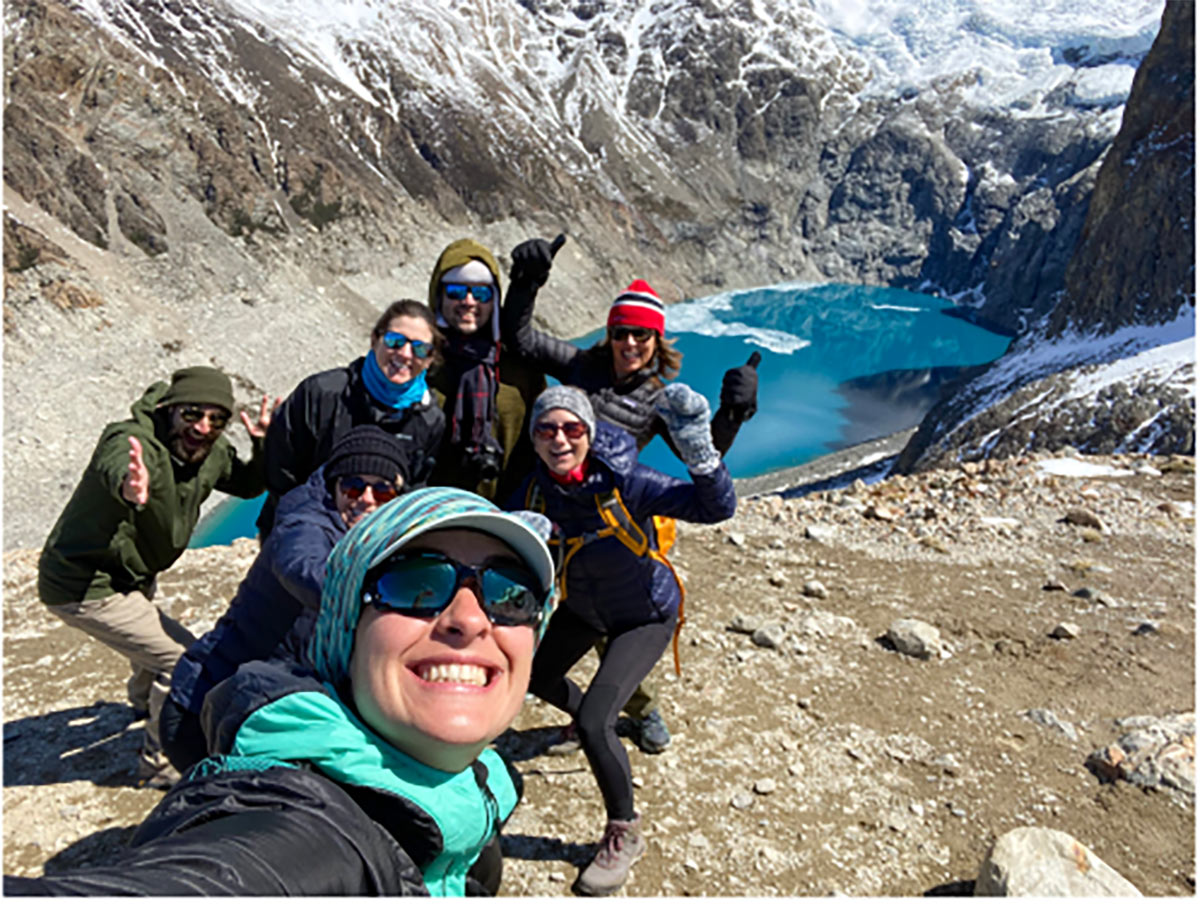
Gondwana Ecoutours specializes in small group and private tours to bucket list destinations around the world. Our itineraries are carefully curated to include both unique nature and culture and fun activities are suitable to most travelers. Traveling with guides who live in the communities we visit add depth and authenticity to the experience.
| See All Tours > |