Can You See the Northern Lights in New York?
PRIVATE & SMALL GROUP TOURS TO THE WORLD'S BEST DESTINATIONS
Are You Planning A Trip To See The Northern Lights?

Chasing the Aurora in New York – What Are Your Chances?
New York isn’t one of the top states for Northern Lights viewing, but unlike most of the U.S. Northeast, it does offer a slim chance — particularly in the far northern regions near the Canadian border. While not a dependable destination for aurora chasers, strong geomagnetic storms during Solar Cycle 25 might create rare opportunities in rural, dark sky areas.
Is Aurora Viewing Possible in New York?
It’s possible, but unlikely for most of the state. The best chance for catching the aurora borealis in New York occurs during powerful solar storms that extend auroral activity farther south. When that happens, northern areas like the Adirondacks may witness faint auroras — but even then, visibility is dependent on low light pollution and clear skies.
When Could New York Catch a Glimpse?
New York’s northern latitude gives it a moderate chance of aurora sightings, especially in the Adirondacks and other rural upstate regions. During strong geomagnetic storms, the aurora can appear as green arcs, red glows, or even sweeping curtains overhead. While sightings are less frequent in the southern part of the state, including New York City, they are possible during extreme space weather events. Overall, New York is one of the better Mid-Atlantic and Northeastern states for catching the northern lights.
How to Maximize Your Chances
- Track NOAA SWPC forecasts and look for G2–G5 geomagnetic storm alerts, which frequently bring auroras into New York skies.
- Head to dark-sky areas such as the Adirondack Mountains, Thousand Islands region, or rural areas along Lake Ontario for the clearest views.
- Avoid city light pollution—New York City and surrounding metro areas make faint auroras nearly impossible to see without extreme storms.
- Bring a tripod and use long-exposure photography, which can reveal brighter greens and reds than the human eye may detect in weaker displays.
Where in New York Could You See the Northern Lights?
- Adirondack Mountains: Dark skies and elevation make this the most promising region in the state.
- St. Lawrence County: Its northern position and rural setting have occasionally yielded auroral sightings during KP 7+ events.
Can You See the Northern Lights in New York City or Albany?
It’s extremely unlikely. Heavy light pollution and lower latitude make cities like New York City, Albany, and Buffalo poor choices for aurora viewing. Even during strong solar storms, visibility from these urban areas is nearly nonexistent. Head north — and away from city lights — for your best (but still slim) chance.
Aurora Forecast (2026–2030)
This forecast reflects overall global aurora activity based on Solar Cycle 25. While helpful for understanding auroral trends, remember that New York’s position limits the usefulness of this data unless solar activity is extremely strong.
| Year | Aurora Activity Forecast | Notes |
|---|---|---|
| 2026 | ⭐⭐⭐⭐⭐ Very High | Solar maximum year. Highest likelihood for rare New York sightings. |
| 2027 | ⭐⭐⭐⭐½ Extremely High | Lag year after solar peak. Aurora activity remains elevated. |
| 2028 | ⭐⭐⭐ Moderate | Activity tapers off. New York sightings become even less likely. |
| 2029 | ⭐⭐ Low to Moderate | Quieting solar conditions. Occasional storms possible. |
| 2030 | ⭐ Low | Solar minimum approaches. New York is unlikely to see any auroras. |
Consider Traveling North for Better Odds
While New York may offer a surprise display once or twice per decade, serious aurora seekers should plan trips to more reliable regions. See our full guide for the best U.S. states for Northern Lights adventures: Top Northern Lights Locations in the U.S.
Sources: NOAA Space Weather Prediction Center, NASA, Aurora Forecast Trackers
Download all three Alaska tour brochures for tour dates and pricing.
Can I See The Northern Lights In North America?
We made it easy for you to know where in the USA you can see the Northern Lights. See a list of states below and how likely you would be to see the Northern Lights beside each state.
Filter by Aurora Visibility:
- Alabama (Not Likely)
- Alaska (Best Aurora Viewing!)
- Arizona (Low)
- Arkansas (Low)
- California (Low)
- Colorado (Moderate)
- Connecticut (Low)
- Delaware (Low)
- Florida (Not Likely)
- Georgia (Low)
- Hawaii (Not Likely)
- Idaho (Moderate)
- Illinois (Low)
- Indiana (Low)
- Iowa (Moderate)
- Kansas (Low)
- Kentucky (Low)
- Louisiana (Low)
- Maine (High Chances of Aurora Viewing)
- Maryland (Low)
- Massachusetts (Low)
- Michigan (High Chances of Aurora Viewing)
- Minnesota (High Chances of Aurora Viewing)
- Mississippi (Low)
- Missouri (Low)
- Montana (High Chances of Aurora Viewing)
- Nebraska (Moderate)
- Nevada (Low)
- New Hampshire (Moderate)
- New Jersey (Low)
- New Mexico (Low)
- New York (Moderate)
- North Carolina (Low)
- North Dakota (High Chances of Aurora Viewing)
- Ohio (Low)
- Oklahoma (Low)
- Oregon (Low)
- Pennsylvania (Moderate)
- Rhode Island (Low)
- South Carolina (Low)
- South Dakota (High Chances of Aurora Viewing)
- Tennessee (Low)
- Texas (Low)
- Utah (Low)
- Vermont (High Chances of Aurora Viewing)
- Virginia (Low)
- Washington (Moderate)
- West Virginia (Low)
- Wisconsin (High Chances of Aurora Viewing)
- Wyoming (Moderate)
If you’re interested in traveling with us, we’ve found Alaska to be the best destination. Learn about our adventure here: Northern Lights Tour in Fairbanks, Alaska
About Gondwana Ecotours
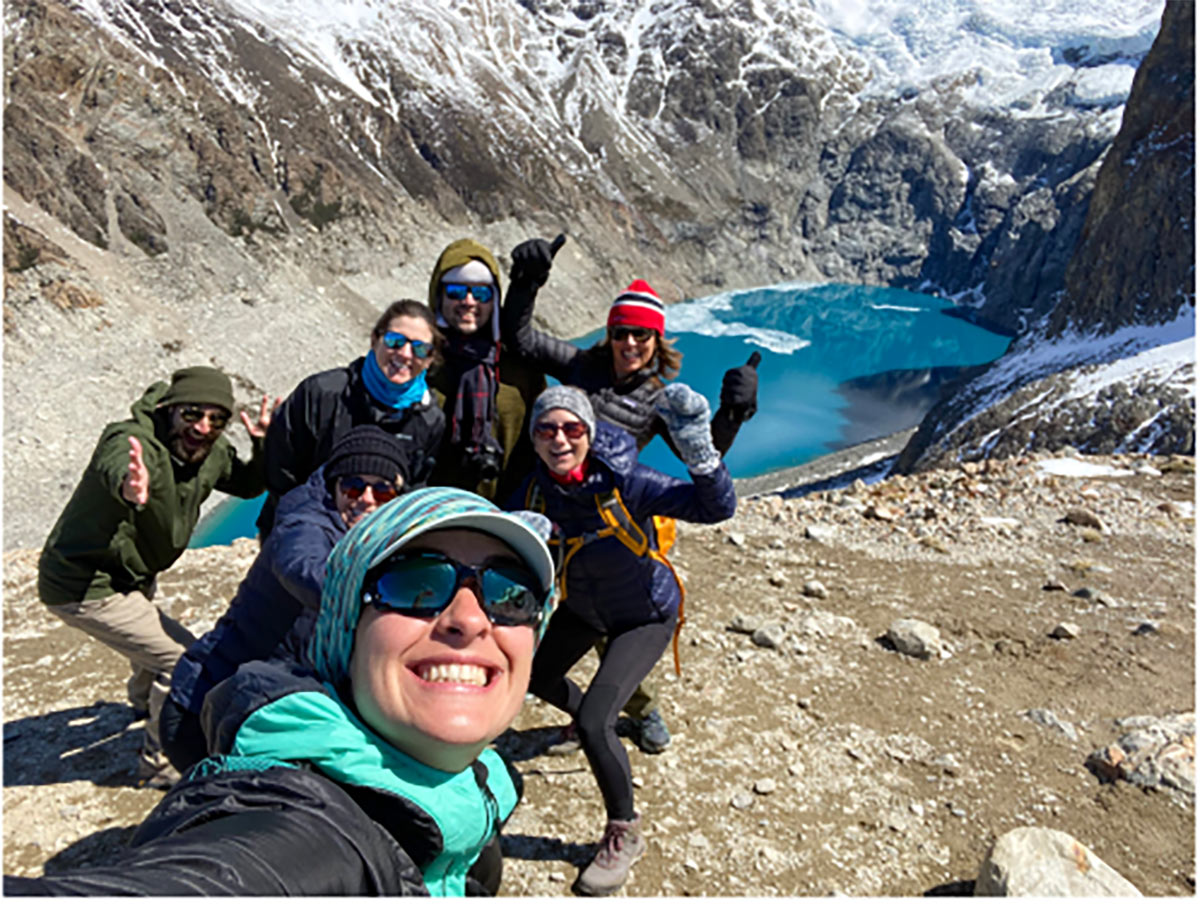
Gondwana Ecoutours specializes in small group and private tours to bucket list destinations around the world. Our itineraries are carefully curated to include both unique nature and culture and fun activities are suitable to most travelers. Traveling with guides who live in the communities we visit add depth and authenticity to the experience.
| See All Tours > |