
Can You Spot the Northern Lights in Tennessee?
PRIVATE & SMALL GROUP TOURS TO THE WORLD'S BEST DESTINATIONS
Are You Planning A Trip To See The Northern Lights?

Are Northern Lights Possible in Tennessee?
Can you see the Northern Lights in Tennessee? While it’s technically possible during the most extreme solar storms, the odds are exceptionally slim. Tennessee lies far south of the auroral oval, making sightings of the aurora borealis here a rarity even during peak solar years like 2026 and 2027. For most skywatchers, it’s simply not a practical destination for aurora viewing.
Is Aurora Viewing Possible in Tennessee?
Aurora sightings in Tennessee are extremely rare and unpredictable. Conditions must be near-perfect and include:
- A KP index of 7 or higher — indicating a strong geomagnetic storm
- Clear skies, no moonlight, and extremely low humidity
- A dark-sky location far from city lights, preferably in northern parts of the state
Even then, only a faint glow might appear on the northern horizon — not the vivid dancing lights seen in higher latitudes.
When Could Tennessee Catch a Glimpse?
Tennessee lies well south of the auroral oval, which makes northern lights sightings rare. They are generally only visible during strong to extreme geomagnetic storms that push auroral activity into the southern U.S. When they do appear, the aurora is usually limited to a faint red or green glow on the northern horizon, though in very rare cases of intense storms, arcs or light pillars may rise higher in the sky. These events are extraordinary and should be considered rare treats rather than regular possibilities.
How to Maximize Your (Slim) Chances
- Track NOAA SWPC forecasts and only expect chances during G4–G5 geomagnetic storms, which are strong enough to reach Tennessee.
- Seek out dark-sky areas such as Great Smoky Mountains National Park, Big South Fork National River and Recreation Area, or rural farmland away from city lights.
- Check for crisp, clear skies, since Tennessee’s humidity and cloud cover can easily obscure faint auroral glows.
- Use a tripod and long-exposure photography to capture auroral colors that may be too dim for the naked eye at this latitude.
Areas with the Slimmest Chance
- Big South Fork National River & Recreation Area
- Dale Hollow Reservoir region near the Kentucky border
- Remote spots in the Cumberland Plateau
What About Major Cities Like Nashville or Knoxville?
The chance of seeing the aurora from urban areas in Tennessee is effectively zero. Light pollution combined with southern latitude eliminates any realistic visibility. Even during rare historic geomagnetic storms, cities like Memphis, Chattanooga, or Nashville are simply too far south and too bright for aurora displays.
Aurora Forecast (2026–2030)
The forecast below reflects global auroral activity tied to Solar Cycle 25. It does not imply that Tennessee will see auroras in these years — it simply highlights periods of increased solar energy, which might enable rare southern sightings during peak events.
| Year | Aurora Activity Forecast | Notes |
|---|---|---|
| 2026 | ⭐⭐⭐⭐⭐ Very High | Peak of Solar Cycle 25. Strongest aurora potential globally. |
| 2027 | ⭐⭐⭐⭐½ Extremely High | Lag year after peak — activity remains strong. |
| 2028 | ⭐⭐⭐ Moderate to High | Solar activity begins tapering but still notable. |
| 2029 | ⭐⭐ Low to Moderate | Fewer storms; aurora potential declines significantly. |
| 2030 | ⭐ Low | Cycle nears minimum; aurora activity rare. |
Want a Real Aurora Experience? Go North
If seeing the Northern Lights is a priority, we strongly recommend traveling to states well within the auroral oval. Tennessee is too far south for consistent viewing. Check out our recommended list of northern states here: Top U.S. Northern Lights Locations.
Sources: NOAA, NASA, Space.com, Aurora Tracks
Download all three Alaska tour brochures for tour dates and pricing.
Can I See The Northern Lights In North America?
We made it easy for you to know where in the USA you can see the Northern Lights. See a list of states below and how likely you would be to see the Northern Lights beside each state.
Filter by Aurora Visibility:
- Alabama (Not Likely)
- Alaska (Best Aurora Viewing!)
- Arizona (Low)
- Arkansas (Low)
- California (Low)
- Colorado (Moderate)
- Connecticut (Low)
- Delaware (Low)
- Florida (Not Likely)
- Georgia (Low)
- Hawaii (Not Likely)
- Idaho (Moderate)
- Illinois (Low)
- Indiana (Low)
- Iowa (Moderate)
- Kansas (Low)
- Kentucky (Low)
- Louisiana (Low)
- Maine (High Chances of Aurora Viewing)
- Maryland (Low)
- Massachusetts (Low)
- Michigan (High Chances of Aurora Viewing)
- Minnesota (High Chances of Aurora Viewing)
- Mississippi (Low)
- Missouri (Low)
- Montana (High Chances of Aurora Viewing)
- Nebraska (Moderate)
- Nevada (Low)
- New Hampshire (Moderate)
- New Jersey (Low)
- New Mexico (Low)
- New York (Moderate)
- North Carolina (Low)
- North Dakota (High Chances of Aurora Viewing)
- Ohio (Low)
- Oklahoma (Low)
- Oregon (Low)
- Pennsylvania (Moderate)
- Rhode Island (Low)
- South Carolina (Low)
- South Dakota (High Chances of Aurora Viewing)
- Tennessee (Low)
- Texas (Low)
- Utah (Low)
- Vermont (High Chances of Aurora Viewing)
- Virginia (Low)
- Washington (Moderate)
- West Virginia (Low)
- Wisconsin (High Chances of Aurora Viewing)
- Wyoming (Moderate)
If you’re interested in traveling with us, we’ve found Alaska to be the best destination. Learn about our adventure here: Northern Lights Tour in Fairbanks, Alaska
About Gondwana Ecotours
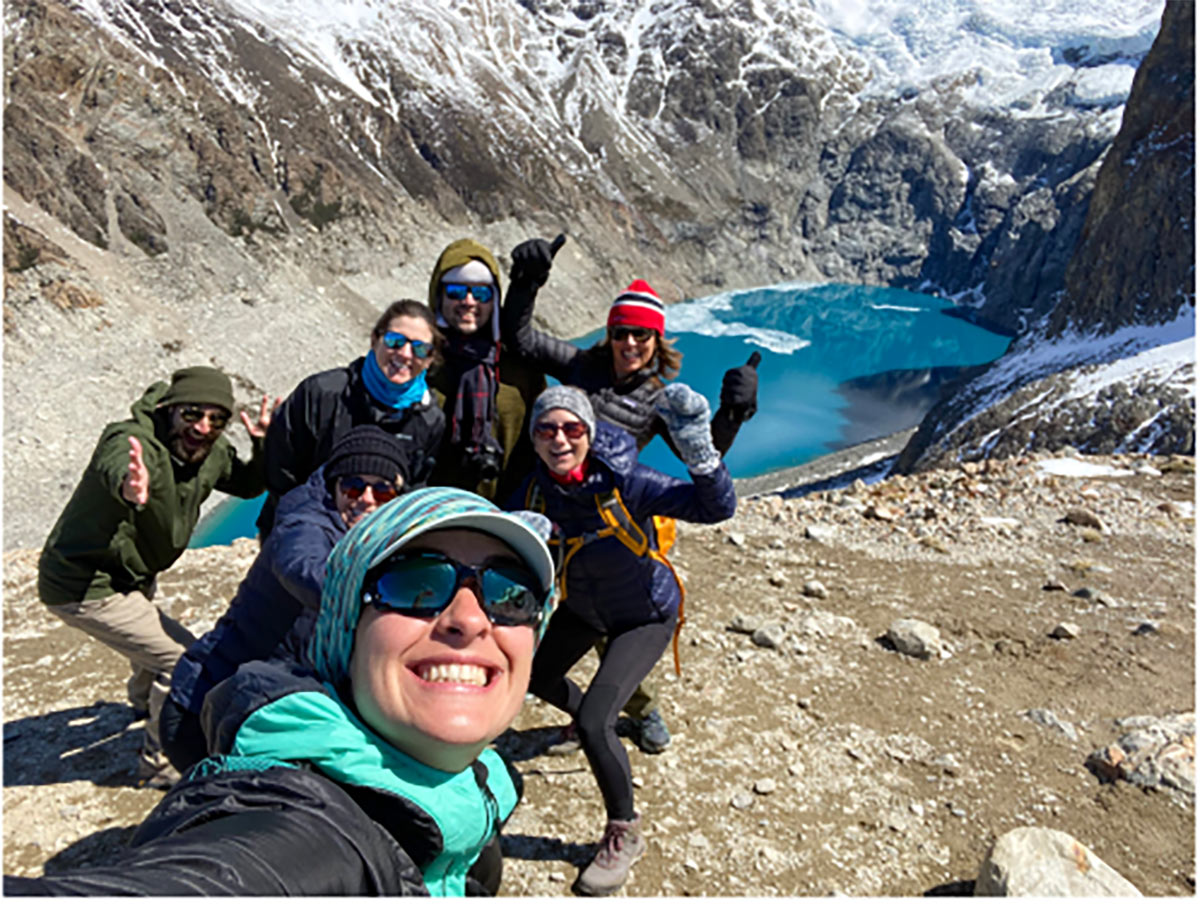
Gondwana Ecoutours specializes in small group and private tours to bucket list destinations around the world. Our itineraries are carefully curated to include both unique nature and culture and fun activities are suitable to most travelers. Traveling with guides who live in the communities we visit add depth and authenticity to the experience.
| See All Tours > |