How Often Can the Aurora Borealis Be Seen in Wisconsin?
PRIVATE & SMALL GROUP TOURS TO THE WORLD'S BEST DESTINATIONS
Are You Planning A Trip To See The Northern Lights?

Northern Lights in Wisconsin – Where and When to Watch the Aurora
With its northern latitude, rural lakefronts, and low light pollution, Wisconsin stands out as one of the most promising states in the Midwest for Northern Lights viewing. Particularly during high solar activity years, the aurora can make stunning appearances across northern parts of the state, drawing photographers and night sky enthusiasts alike.
Why Wisconsin Is Worth Watching for Auroras
Northern Wisconsin sits close enough to the auroral oval that during strong geomagnetic storms, aurora activity becomes visible—especially along the southern shore of Lake Superior. When skies are clear and KP values are elevated, you can witness a surprising light show without leaving the state.
When Could Wisconsin Catch a Glimpse?
Wisconsin’s northern latitude makes it one of the better places in the Midwest to see the northern lights. During moderate to strong geomagnetic storms, the aurora frequently dips far enough south to be visible, especially in northern parts of the state. Displays range from faint green glows on the horizon to sweeping curtains of red, purple, and green across the entire sky. With its wide stretches of rural land and access to Lake Superior, Wisconsin offers excellent conditions for aurora viewing multiple times per solar cycle.
How to Maximize Your Chances
- Monitor NOAA SWPC forecasts and look for G2–G5 geomagnetic storm alerts, which often bring auroras into Wisconsin skies.
- Head to dark-sky areas such as Apostle Islands National Lakeshore, Door County, or the Chequamegon-Nicolet National Forest for unobstructed northern views.
- Choose crisp, clear nights, since clouds and humidity can quickly block even strong auroral activity.
- Use long-exposure photography with a tripod to capture vibrant greens, reds, and purples that may appear fainter to the naked eye.
Top Aurora Viewing Areas in Wisconsin
- Door County: Dark skies over the water make this a scenic and photogenic viewing location.
- Ashland: Located near Chequamegon Bay, Ashland offers open skies and limited light pollution.
- Bayfield Peninsula: Stunning views across Lake Superior with minimal interference from urban lights.
When to Plan Your Visit
- Spring: Moderate – Late March can coincide with the spring equinox, which often boosts aurora activity.
- Summer: Low – Short nights and humid conditions reduce visibility.
- Fall: High – Dry, clear air and early nightfall create excellent viewing conditions.
- Winter: Very High – Long, cold nights and frequent clear skies make this the top aurora season in Wisconsin.
Can You See the Northern Lights in Madison or Milwaukee?
Urban light pollution in southern Wisconsin severely limits visibility. While strong solar storms can occasionally push auroras farther south, you’ll need to head at least 60–100 miles north to escape city lights and have a realistic chance of spotting the aurora.
Places to Stay for Aurora Hunters
- Bayfield Inn: Cozy lodging with views of Lake Superior and minimal light interference.
- Washington House Inn (Cedarburg): While farther south, it's a charming launch point for trips north.
- Cabins near Apostle Islands: Secluded and ideal for multi-night viewing trips.
Aurora Activity Outlook (2026–2030)
The following predictions are based on expected global solar activity during Solar Cycle 25. While not tailored specifically to Wisconsin, these forecasts help indicate your odds of seeing auroras when geomagnetic conditions are favorable across the Northern Hemisphere.
| Year | Aurora Activity Forecast | Notes |
|---|---|---|
| 2026 | ⭐⭐⭐⭐⭐ Very High | Peak of Solar Cycle 25. Northern Wisconsin likely to experience multiple visible events. |
| 2027 | ⭐⭐⭐⭐½ Extremely High | High solar activity continues; expect strong storm potential through winter and fall. |
| 2028 | ⭐⭐⭐ Moderate to High | Auroral activity begins to decline, but fall and winter still offer viewing windows. |
| 2029 | ⭐⭐ Low to Moderate | Fewer storms overall; only stronger KP events will reach Wisconsin latitudes. |
| 2030 | ⭐ Low | Solar minimum approaches; aurora sightings will become increasingly rare. |
Tips from Our Aurora Tour Experts
- Monitor the KP index—anything 6 or above can produce a display in Wisconsin.
- Look for cloud-free nights and avoid light pollution—use Dark Sky maps.
- Bring a wide-angle lens and tripod to capture the night sky in motion.
- Consider booking 2–3 nights to maximize your viewing chances.
Planning a Bigger Northern Lights Adventure?
While Wisconsin is a strong option for Midwestern travelers, those seeking higher odds and more frequent auroral activity should explore our top-rated destinations like Alaska and Fairbanks-based guided tours. Browse our complete guide to the Best Northern Lights Locations in the U.S. for more travel ideas.
Or join us for a bucket-list trip to the heart of aurora country: Northern Lights Tours in Fairbanks, Alaska.
Sources: SpaceWeather.gov, Aurora Tracks, Dark Site Finder, NASA, Andy Keen
Download all three Alaska tour brochures for tour dates and pricing.
Can I See The Northern Lights In North America?
We made it easy for you to know where in the USA you can see the Northern Lights. See a list of states below and how likely you would be to see the Northern Lights beside each state.
Filter by Aurora Visibility:
- Alabama (Not Likely)
- Alaska (Best Aurora Viewing!)
- Arizona (Low)
- Arkansas (Low)
- California (Low)
- Colorado (Moderate)
- Connecticut (Low)
- Delaware (Low)
- Florida (Not Likely)
- Georgia (Low)
- Hawaii (Not Likely)
- Idaho (Moderate)
- Illinois (Low)
- Indiana (Low)
- Iowa (Moderate)
- Kansas (Low)
- Kentucky (Low)
- Louisiana (Low)
- Maine (High Chances of Aurora Viewing)
- Maryland (Low)
- Massachusetts (Low)
- Michigan (High Chances of Aurora Viewing)
- Minnesota (High Chances of Aurora Viewing)
- Mississippi (Low)
- Missouri (Low)
- Montana (High Chances of Aurora Viewing)
- Nebraska (Moderate)
- Nevada (Low)
- New Hampshire (Moderate)
- New Jersey (Low)
- New Mexico (Low)
- New York (Moderate)
- North Carolina (Low)
- North Dakota (High Chances of Aurora Viewing)
- Ohio (Low)
- Oklahoma (Low)
- Oregon (Low)
- Pennsylvania (Moderate)
- Rhode Island (Low)
- South Carolina (Low)
- South Dakota (High Chances of Aurora Viewing)
- Tennessee (Low)
- Texas (Low)
- Utah (Low)
- Vermont (High Chances of Aurora Viewing)
- Virginia (Low)
- Washington (Moderate)
- West Virginia (Low)
- Wisconsin (High Chances of Aurora Viewing)
- Wyoming (Moderate)
If you’re interested in traveling with us, we’ve found Alaska to be the best destination. Learn about our adventure here: Northern Lights Tour in Fairbanks, Alaska
About Gondwana Ecotours
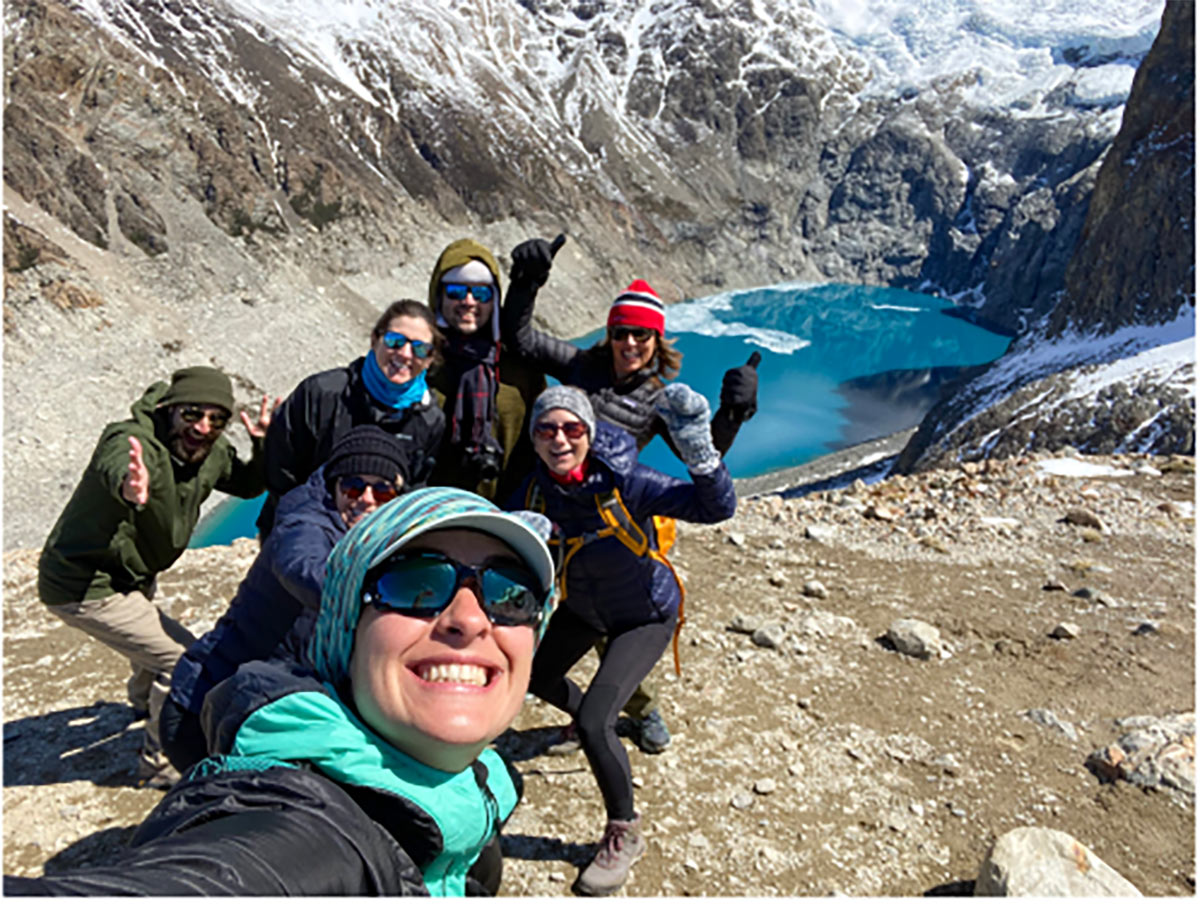
Gondwana Ecoutours specializes in small group and private tours to bucket list destinations around the world. Our itineraries are carefully curated to include both unique nature and culture and fun activities are suitable to most travelers. Traveling with guides who live in the communities we visit add depth and authenticity to the experience.
| See All Tours > |