Alaska's Top 10 Unforgettable Wildlife Encounters
Download Travel Details >PRIVATE & SMALL GROUP TOURS TO THE WORLD'S BEST DESTINATIONS
Three Amazing Alaskan Vacations To Choose From!
Summer Trips To Alaska
Grizzlies & Glaciers Tour
Winter Trips To Alaska
See The Northern Lights
Summer Trips To Alaska
Denali Discovery Adventure

Best Alaska Wildlife Experiences
We live and guide in Alaska, and our purpose is simple: craft small‑group, carbon‑neutral journeys that protect the places and wildlife we love. With community partners and Alaska Native guides, we turn travel into a force for conservation—so every encounter enriches local livelihoods and the land.
Prefer to go deeper, not bigger? Our groups stay intentionally small, our routes are chosen for minimal impact, and—we're proud to say—our trips are verifiably carbon‑neutral from start to finish.
Which Alaska wildlife experiences rank as truly unmissable?
Alaska offers wildlife encounters found nowhere else on Earth, from the world's largest brown bear concentrations to spectacular whale feeding behaviors. After decades of guiding in Alaska, we've identified the experiences that consistently create life-changing moments for wildlife enthusiasts. These top-ranked encounters combine reliable wildlife viewing with stunning settings and ethical practices.
Why choose a carbon‑neutral, small‑group best alaska wildlife experiences?
Before we talk logistics, here's what sets our approach apart—and why it matters for wildlife, communities, and you.
How does our conservation model shape your day in the field?
We cap group size, time wildlife encounters, and follow guide‑led protocols—quiet voices, controlled distances, and the animal always sets the terms. This isn't passive sightseeing; it's an active commitment to ethical viewing that keeps bears, whales, and birds acting naturally.
What local partnerships make this experience authentic?
From flightseeing pilots born in the shadow of the Alaska Range to Alaska Native hosts who share place‑based knowledge, our trips are co‑created with local experts. Your dollars stay local and support stewardship projects we help fund each season.
- According to the National Park Service, about 2,200 brown bears inhabit Katmai—one of the highest concentrations on Earth.
- On the coast of Lake Clark National Park, seasonal sedge meadows and salmon streams create predictable feeding areas for coastal brown bears—ideal for low‑impact viewing with proper spacing and behavior.
What are the top 10 Alaska wildlife experiences that define a lifetime
Which Alaska wildlife experiences rank as truly unmissable?—this short overview sets the stage for what follows. It explains the purpose of the section, the core ideas readers should keep in mind, and why the topic matters in practice. Expect a concise framing of key terms, scope, and assumptions so readers understand the context quickly. The next subsections expand with specifics, examples, and guidance. Use this overview to align expectations and locate the details most relevant to your needs. This summary emphasizes clarity and relevance for decision‑making and planning. This summary emphasizes clarity and relevance for decision‑making and planning. This summary
1. Brooks Falls Brown Bear Fishing Spectacle
Watching massive brown bears fish for salmon at Brooks Falls represents Alaska's most iconic wildlife experience. Up to 40 bears concentrate at this single waterfall during peak salmon runs, creating unparalleled opportunities to observe natural behaviors, social hierarchies, and fishing techniques.
The elevated viewing platforms provide safe observation points while maintaining ethical distances from feeding bears. Individual bears develop unique fishing strategies, from patient waterfall-edge positioning to active stream wading, demonstrating remarkable intelligence and adaptation.
Best timing: July through September during salmon runs
Why it's special: Highest concentration of brown bears on Earth in a single location
2. Humpback Whale Bubble-Net Feeding in Glacier Bay
Witnessing cooperative bubble-net feeding represents one of nature's most sophisticated hunting behaviors. Groups of humpback whales coordinate their efforts to encircle schools of fish or krill, then surface simultaneously in spectacular displays of teamwork and intelligence.
The dramatic tidewater glacier backdrops add visual impact while the protected waters of Glacier Bay provide optimal conditions for close whale observations in one of the world's most pristine marine environments.
Best timing: June through August during peak feeding season
Why it's special: Only location where this behavior occurs reliably with glacier backdrops
3. Chilkat River Bald Eagle Gathering
The world's largest gathering of bald eagles occurs along the Chilkat River each fall, with over 3,000 birds concentrating in riverside cottonwoods. This natural phenomenon creates unprecedented photography opportunities and behavioral observations impossible anywhere else.
The eagles gather to feed on late-running salmon while warm springs keep river sections ice-free during winter months. The density of eagles creates a truly spectacular wildlife viewing experience unique to this location.
Best timing: October through February, peaking in November
Why it's special: World's largest concentration of bald eagles
4. Sea Otter Rafts in Kenai Fjords
Alaska's sea otter populations have recovered dramatically, creating opportunities to observe large rafts of these charismatic marine mammals. Their tool use, social behaviors, and playful nature provide engaging wildlife encounters in stunning coastal settings.
Sea otters demonstrate remarkable intelligence through sophisticated tool use, maintaining favorite rocks for cracking shellfish while exhibiting complex social structures and maternal behaviors that captivate wildlife observers.
Best timing: May through September for optimal weather and visibility
Why it's special: Best location for observing sea otter behavior and tool use
5. Polar Bear Encounters in Arctic Alaska
Arctic Alaska offers rare opportunities to observe polar bears in their natural habitat along the Beaufort Sea coast. These encounters require specialized logistics but provide access to the Arctic's apex predator in pristine wilderness settings.
Polar bears represent ultimate Arctic adaptation, demonstrating behaviors and physical characteristics evolved for life in the world's harshest environments. These encounters connect visitors with climate change realities affecting polar bear populations.
Best timing: September through November during sea ice formation
Why it's special: Only U.S. location for polar bear viewing
6. Steller Sea Lion Rookeries
Alaska's rocky coastlines host massive Steller sea lion rookeries where hundreds of these marine giants gather during breeding season. Adult males weighing over 2,000 pounds establish territories and harems in dramatic displays of size and dominance.
Rookery observations provide insights into pinniped social structures, territorial behaviors, and maternal care while showcasing some of North America's largest marine mammals in their natural coastal habitat.
Best timing: May through July during breeding season
Why it's special: Largest marine mammal rookeries in North America
7. Denali Wildlife Safari
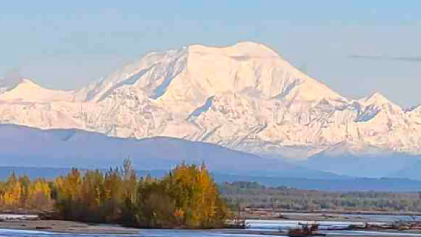
Denali National Park's single road provides access to classic Alaska wilderness where caribou, wolves, bears, and Dall sheep roam against the backdrop of North America's tallest mountain. The park's shuttle system ensures wildlife encounters occur in naturalistic settings with minimal human impact.
The vast tundra landscapes allow observation of predator-prey relationships, migration patterns, and wilderness behaviors rarely visible in more developed areas. Clear weather reveals Mount Denali creating spectacular photographic backdrops.
Best timing: June through September for road access and wildlife activity
Why it's special: Classic Alaska wilderness experience with diverse species
8. Puffin Colonies on Remote Islands
Alaska hosts over 2.5 million tufted puffins on remote coastal cliffs and islands. These charismatic seabirds create spectacular colony displays during breeding season, with colorful plumage and comical behaviors delighting wildlife photographers and observers.
Puffin colonies represent complex seabird ecosystems supporting multiple species in dramatic coastal environments. Access to these colonies requires boat travel to remote locations providing pristine wildlife viewing experiences.
Best timing: May through August during breeding season
Why it's special: Largest puffin populations in North America
9. Caribou Migration Spectacles
Alaska caribou herds undertake some of North America's most impressive migrations, with hundreds of thousands of animals moving across vast tundra landscapes. The Western Arctic Herd represents one of the continent's largest wildlife migrations.
Migration viewing provides opportunities to observe herd dynamics, predator-prey relationships, and landscape-scale wildlife movements that defined North America before European settlement. These spectacles connect viewers with wilderness experiences largely lost elsewhere.
Best timing: June through September during active migration periods
Why it's special: Largest terrestrial wildlife migration in North America
10. Orca Family Pod Encounters
Alaska's resident orca populations provide opportunities to observe complex family structures and social behaviors among the ocean's apex predators. Matrilineal pods demonstrate sophisticated communication, cooperation, and cultural transmission across generations.
Orca encounters reveal intelligence rivaling that of great apes, with unique dialects, cooperative hunting strategies, and cultural behaviors passed down through family lines. These experiences provide insights into marine mammal cognition and social complexity.
Best timing: May through September in Southeast and Southcentral Alaska
Why it's special: Most intelligent marine mammal with complex family structures
When is the best time—and where will we go—for best alaska wildlife experiences?
Seasons rule Alaska. Our guide team builds itineraries around wildlife behavior and weather windows, then adapts in real time for safety and the best viewing.
How do you maximize multiple wildlife experiences in a single trip?
Strategic planning allows combining several top wildlife experiences within optimized itineraries. Geographic clustering of experiences reduces travel time while maximizing wildlife viewing opportunities across different ecosystems and species groups.
Multi-region trips can combine coastal marine wildlife viewing with interior terrestrial species encounters, providing comprehensive Alaska wildlife experiences within reasonable timeframes and budgets.
What will a typical day look like?
Early starts, flexible plans. We brief on safety and ethics, travel with minimal trace, and linger where behavior is natural—whether that's bears grazing sedge, whales bubble‑net feeding, or eagles riding katabatic winds.
What should you pack for comfort and safety?
- Layering system (base, insulating, waterproof shell)
- Sturdy, waterproof footwear
- Reusable water bottle and small daypack
- Binoculars and a telephoto lens for ethical distances
- Respectful curiosity—our most important tool
Our Glaciers & Grizzlies Adventure includes guided time at Brooks Falls in Katmai, famed for its salmon‑feeding brown bears.
Which experiences offer the best value for different interests and budgets
When is the best time—and where will we go—for best alaska wildlife experiences?—this short overview sets the stage for what follows. It explains the purpose of the section, the core ideas readers should keep in mind, and why the topic matters in practice. Expect a concise framing of key terms, scope, and assumptions so readers understand the context quickly. The next subsections expand with specifics, examples, and guidance. Use this overview to align expectations and locate the details most relevant to your needs. This summary emphasizes clarity and relevance for decision‑making and planning. This summary emphasizes clarity and relevance for
What are the most accessible world-class wildlife experiences?
Kenai Fjords National Park provides excellent marine wildlife viewing within day-trip distance of Anchorage, offering humpback whales, sea otters, and seabirds without requiring expensive remote logistics. Resurrection Bay consistently delivers quality wildlife encounters with reliable access.
The Alaska Highway system provides road access to interior wildlife viewing in Denali and other locations, making these experiences more budget-friendly than fly-in destinations while still offering authentic wilderness encounters.
Which remote experiences justify the extra investment?
Katmai's Brooks Falls represents the ultimate bear viewing experience but requires chartered flights and premium lodge accommodations. The concentrated bear activity and unique fishing behaviors justify the investment for serious wildlife enthusiasts.
Arctic polar bear viewing requires significant logistical investment but provides access to wildlife encounters impossible anywhere else in the United States, making it worthwhile for once-in-a-lifetime experiences.
How do we keep wildlife viewing ethical—and unforgettable?
Our code is simple: protect the animal's choices, protect the habitat, protect your fellow travelers. Here's how that plays out on the ground (and water).
What are the golden rules we follow near wildlife?
- Time & distance: We use binoculars and long lenses so animals never need to react to us.
- Silence & spacing: We move slowly, speak softly, and give each group room.
- Leave no trace: We pack out everything, including memorable photos and new respect.
How do weather and tides affect the plan?
Alaska writes the script. If winds rise in the fjords or cloud ceilings drop in the Range, we pivot to safer coves, forest trails, or cultural experiences with our local hosts. Flexibility keeps the experience—and ecosystems—intact.
How do you choose the right wildlife experiences for your Alaska adventure
How do we keep wildlife viewing ethical—and unforgettable?—this short overview sets the stage for what follows. It explains the purpose of the section, the core ideas readers should keep in mind, and why the topic matters in practice. Expect a concise framing of key terms, scope, and assumptions so readers understand the context quickly. The next subsections expand with specifics, examples, and guidance. Use this overview to align expectations and locate the details most relevant to your needs. This summary emphasizes clarity and relevance for decision‑making and planning. This summary emphasizes clarity and relevance for decision‑making and planning. This summary
Which factors should guide your wildlife experience selection?
Physical capabilities, budget constraints, and special interests help determine optimal wildlife experience combinations. Bear viewing requires minimal physical demands while caribou migration viewing may involve challenging travel to remote locations.
Seasonal timing constraints significantly impact available experiences, with some wildlife encounters limited to specific months while others offer extended viewing windows throughout Alaska's brief summer season.
What questions should you ask potential wildlife tour operators?
Group size limits, guide qualifications, and conservation practices distinguish ethical operators from those prioritizing volume over experience quality. Small group sizes and experienced local guides enhance both wildlife viewing success and educational value.
Safety protocols, equipment provisions, and backup plan flexibility indicate professional operations capable of adapting to Alaska's challenging and variable conditions while maintaining both safety and wildlife viewing opportunities.
For comprehensive wildlife planning guidance, explore our Alaska Wildlife Complete Guide covering all major species and viewing strategies.
Explore our small‑group itineraries: Alaska Adventure Tours. We'll help you choose the right dates and routes for your interests.
Ready to plan your trip? Speak with our team of Alaska‑based guides. Contact our Alaska specialists to start planning.