Picture Perfect Alaska: National Parks Photography Guide
Download Travel Details >PRIVATE & SMALL GROUP TOURS TO THE WORLD'S BEST DESTINATIONS
Three Amazing Alaskan Vacations To Choose From!
Summer Trips To Alaska
Grizzlies & Glaciers Tour
Winter Trips To Alaska
See The Northern Lights
Summer Trips To Alaska
Denali Discovery Adventure

Alaska National Parks Photography Guide
We live and guide in Alaska, and our purpose is simple: craft small‑group, carbon‑neutral journeys that protect the places and wildlife we love. With community partners and Alaska Native guides, we turn travel into a force for conservation—so every encounter enriches local livelihoods and the land.
Prefer to go deeper, not bigger? Our groups stay intentionally small, our routes are chosen for minimal impact, and—we're proud to say—our trips are verifiably carbon‑neutral from start to finish.
Why do Alaska's national parks offer unparalleled photography opportunities?
Alaska's national parks provide photographers with pristine wilderness subjects, dramatic lighting conditions, and wildlife encounters impossible in modified landscapes. From towering mountains to active glaciers, from massive brown bears to delicate wildflowers, these protected areas offer comprehensive subject matter for all photography interests and skill levels.
The state's extreme latitude creates unique lighting conditions including extended golden hours, midnight sun phenomena, and aurora borealis displays that enhance photographic opportunities. Understanding these conditions and seasonal variations enables photographers to optimize their Alaska park experiences while capturing stunning images.
What essential equipment do you need for Alaska park photography
Why do Alaska's national parks offer unparalleled photography opportunities?—this short overview sets the stage for what follows. It explains the purpose of the section, the core ideas readers should keep in mind, and why the topic matters in practice. Expect a concise framing of key terms, scope, and assumptions so readers understand the context quickly. The next subsections expand with specifics, examples, and guidance. Use this overview to align expectations and locate the details most relevant to your needs. This summary emphasizes clarity and relevance for decision‑making and planning. This summary emphasizes clarity and relevance for decision‑making and planning. This
Which cameras and lenses work best for Alaska conditions?
Weather-sealed DSLR or mirrorless camera bodies handle Alaska's challenging conditions including rain, humidity, and temperature fluctuations. Full-frame sensors provide advantages for low-light conditions and wildlife photography though crop sensor cameras offer telephoto reach benefits.
Telephoto lenses (400-600mm) become essential for ethical wildlife photography, maintaining safe distances while capturing detailed images. Image stabilization proves crucial for handheld telephoto work, particularly from moving boats or unstable viewing platforms.
Wide-angle lenses (14-35mm) capture Alaska's dramatic landscapes and provide foreground-background relationships that emphasize scale and grandeur. Ultra-wide lenses help compose complex scenes including glaciers, mountains, and reflective water surfaces.
Standard zoom lenses (24-70mm or similar) provide versatility for general park photography while serving as backup options. These focal lengths work well for group shots, moderate wildlife distances, and environmental portraits.
| Equipment Type | Essential | Recommended | Advanced | Weight Consideration |
|---|---|---|---|---|
| Camera Body | Weather-sealed DSLR/Mirrorless | Full-frame sensor | Dual card slots | 2-3 lbs |
| Wildlife Lens | 200-400mm f/5.6 | 400-600mm f/4-5.6 | 600mm+ f/4 | 3-8 lbs |
| Landscape Lens | 16-35mm f/4 | 14-24mm f/2.8 | Tilt-shift options | 1-2 lbs |
| Support System | Sturdy tripod | Carbon fiber tripod | Gimbal head | 3-6 lbs |
| Protection | Rain covers | Lens hoods | Waterproof cases | 1-2 lbs |
What accessories enhance Alaska photography success?
Sturdy tripods prove essential for landscape photography, long exposures, and telephoto wildlife work. Carbon fiber models reduce weight while maintaining stability crucial for sharp images in windy conditions common throughout Alaska parks.
Rain protection including lens covers and camera rain sleeves prevents equipment damage while enabling photography during precipitation. Alaska's frequent rain requires constant protection for expensive equipment.
Extra batteries become crucial due to cold weather drain and extended shooting sessions during Alaska's long summer days. Lithium batteries perform better in cold conditions while external battery packs provide additional power for extended trips.
Polarizing filters reduce reflections from water surfaces while enhancing sky contrast and color saturation. These filters prove particularly valuable for glacier photography and marine scenes common in Alaska parks.
How do you photograph Alaska's diverse wildlife ethically
How do you photograph Alaska's diverse wildlife ethically—this short overview sets the stage for what follows. It explains the purpose of the section, the core ideas readers should keep in mind, and why the topic matters in practice. Expect a concise framing of key terms, scope, and assumptions so readers understand the context quickly. The next subsections expand with specifics, examples, and guidance. Use this overview to align expectations and locate the details most relevant to your needs. This summary emphasizes clarity and relevance for decision‑making and planning. This summary emphasizes clarity and relevance for decision‑making and planning. This summary
What techniques ensure ethical bear photography?
Minimum distance requirements (100 yards for bears) demand telephoto lenses while elevated viewing platforms provide safer positioning for both photographers and bears. Never approach bears for closer shots regardless of photographic opportunities.
Predictive positioning anticipates bear movement patterns rather than following or pursuing individual animals. Study fishing patterns, feeding behaviors, and travel routes to position strategically without affecting natural behavior.
Silent shooting modes prevent camera noise from disturbing wildlife while continuous autofocus modes track moving subjects effectively. Modern cameras offer excellent silent operation capabilities essential for wildlife photography.
Behavioral awareness helps photographers recognize stress signs and retreat appropriately when animals show discomfort. Understanding bear body language protects both photographer safety and natural behavior patterns.
How do you capture marine wildlife effectively?
Boat-based photography requires image stabilization and fast shutter speeds to compensate for vessel movement. Telephoto lenses enable whale photography while maintaining appropriate distances mandated by marine mammal protection regulations.
Predictive focus techniques help capture breaching whales and other dynamic marine behaviors. Continuous shooting modes increase chances of capturing peak action moments during brief wildlife encounters.
Weather protection becomes critical on boats where salt spray and rain threaten equipment. Waterproof housings or rain covers enable photography during challenging marine conditions.
Positioning strategies utilize boat movement and wind direction to optimize shooting angles while maintaining safe distances from marine mammals. Professional guides coordinate positioning for optimal photography opportunities.
What landscape photography opportunities define Alaska parks
What landscape photography opportunities define Alaska parks—this short overview sets the stage for what follows. It explains the purpose of the section, the core ideas readers should keep in mind, and why the topic matters in practice. Expect a concise framing of key terms, scope, and assumptions so readers understand the context quickly. The next subsections expand with specifics, examples, and guidance. Use this overview to align expectations and locate the details most relevant to your needs. This summary emphasizes clarity and relevance for decision‑making and planning. This summary emphasizes clarity and relevance for decision‑making and planning. This summary emphasizes
How do you capture Alaska's dramatic mountain scenery?
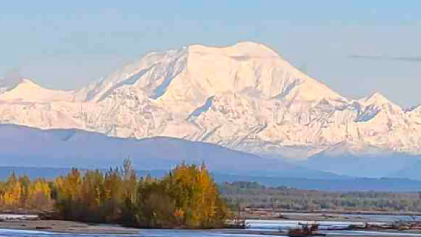
At 20,310 feet, Denali creates its own weather systems affecting photography conditions and visibility. Clear mountain views occur only about 30% of summer days, making successful captures particularly rewarding.
Foreground elements including wildflowers, streams, or rocks create depth and scale while emphasizing the mountains' grandeur. Wide-angle compositions balance near and far elements through careful aperture selection and focus techniques.
Golden hour lighting transforms mountain photography through warm color temperatures and dramatic shadows. Plan shooting schedules around sunrise and sunset timing while accounting for Alaska's extreme seasonal daylight variations.
Weather monitoring enables positioning during optimal conditions while safety considerations prevent dangerous exposure during storms. Mountain weather changes rapidly requiring flexible schedules and backup plans.
What glacier photography techniques capture dynamic ice environments?
Glacier calving events require telephoto lenses and fast shutter speeds to capture dramatic ice falls while maintaining safe distances from unstable ice formations. Continuous shooting modes help capture split-second calving moments.
Compositional techniques emphasize glacier scale through human figures, boats, or wildlife for size reference. The massive scale of Alaska glaciers often appears diminished without proper scale indicators.
Lighting conditions affect glacier photography dramatically with overcast skies providing even illumination while dramatic lighting creates mood and texture in ice formations. Polarizing filters enhance ice texture and reduce glare.
Safety awareness prevents dangerous positioning near unstable ice while respecting closure areas designed to protect both visitors and fragile glacier environments.
How do seasonal conditions affect park photography
How do seasonal conditions affect park photography—this short overview sets the stage for what follows. It explains the purpose of the section, the core ideas readers should keep in mind, and why the topic matters in practice. Expect a concise framing of key terms, scope, and assumptions so readers understand the context quickly. The next subsections expand with specifics, examples, and guidance. Use this overview to align expectations and locate the details most relevant to your needs. This summary emphasizes clarity and relevance for decision‑making and planning. This summary emphasizes clarity and relevance for decision‑making and planning. This summary emphasizes
What advantages does summer photography offer?
Extended daylight hours provide flexibility for golden hour photography with sunrise and sunset occurring within hours of each other during peak summer months. Midnight sun conditions enable unique lighting scenarios impossible at lower latitudes.
Wildlife activity peaks during summer months with feeding, breeding, and nurturing behaviors creating diverse photographic opportunities. Bear fishing, whale feeding, and bird nesting provide action photography subjects.
Weather conditions remain most favorable during summer months though rain and overcast skies occur frequently. Waterproof protection enables photography during precipitation while dramatic storm lighting creates compelling atmospheric conditions.
Access reaches maximum potential with all transportation options operating and park services available. Summer provides reliable access to remote locations while supporting logistics for extended photography expeditions.
How do shoulder seasons create unique photographic opportunities?
Autumn colors transform Alaska landscapes through brilliant yellows, oranges, and reds of deciduous vegetation. Fall photography requires timing visits with peak color periods varying by elevation and latitude across different parks.
Aurora photography becomes possible beginning in September when darkness returns after summer's midnight sun. Northern lights combined with park landscapes create unique compositions impossible during full daylight periods.
Wildlife behaviors change during shoulder seasons with migration patterns, mating displays, and winter preparation creating different photographic subjects. Rutting season and pre-migration gathering provide action opportunities.
Reduced crowds enable better positioning at popular photography locations while creating opportunities for pristine landscape shots without human presence affecting compositions.
What specific park photography opportunities shouldn't you miss
What specific park photography opportunities shouldn't you miss—this short overview sets the stage for what follows. It explains the purpose of the section, the core ideas readers should keep in mind, and why the topic matters in practice. Expect a concise framing of key terms, scope, and assumptions so readers understand the context quickly. The next subsections expand with specifics, examples, and guidance. Use this overview to align expectations and locate the details most relevant to your needs. This summary emphasizes clarity and relevance for decision‑making and planning. This summary emphasizes clarity and relevance for decision‑making and planning. This summary
Which Denali photography locations provide the most dramatic results?
Wonder Lake offers iconic Mount Denali reflections when weather conditions align, though clear views occur only about 30% of summer days. Early morning visits provide optimal lighting and reflection conditions.
Polychrome Pass provides dramatic landscape photography with colorful geological formations and expansive tundra views. The elevated viewpoint enables wide-angle compositions encompassing vast wilderness areas.
Savage River area offers accessible wildlife photography opportunities with Dall sheep, caribou, and potentially bears visible from the park road. Telephoto lenses enable ethical wildlife capture from safe distances.
Eielson Visitor Center provides mountain photography opportunities when weather permits while offering indoor facilities during harsh conditions. The elevated position creates foreground-background relationships emphasizing scale.
What Katmai photography techniques maximize bear encounter documentation?
Brooks Falls elevated platforms provide optimal positioning for bear fishing photography while maintaining required safety distances. Multiple bears fishing simultaneously create dynamic action compositions.
Telephoto lenses (400mm minimum) enable detailed bear portraits and fishing behavior documentation while respecting wildlife and safety regulations. Image stabilization proves crucial for sharp handheld captures.
Continuous shooting modes help capture peak action moments during salmon catches and bear interactions. Burst shooting increases chances of capturing decisive moments during brief encounters.
Behavioral prediction enables anticipatory positioning for fishing attempts and bear movements. Understanding salmon runs and fishing patterns helps photographers position strategically.
How do you handle Alaska's challenging photography conditions
How do you handle Alaska's challenging photography conditions—this short overview sets the stage for what follows. It explains the purpose of the section, the core ideas readers should keep in mind, and why the topic matters in practice. Expect a concise framing of key terms, scope, and assumptions so readers understand the context quickly. The next subsections expand with specifics, examples, and guidance. Use this overview to align expectations and locate the details most relevant to your needs. This summary emphasizes clarity and relevance for decision‑making and planning. This summary emphasizes clarity and relevance for decision‑making and planning. This summary
What weather protection strategies ensure equipment survival?
Rain covers and waterproof cases protect expensive equipment from Alaska's frequent precipitation while enabling continued photography during storms. Quality protection prevents costly equipment damage and lost opportunities.
Lens hood usage prevents rain drops on front elements while reducing lens flare from bright conditions. Combined with filter systems, hoods provide comprehensive front element protection.
Condensation prevention requires gradual temperature transitions when moving equipment between cold outdoor conditions and warm indoor environments. Sealed bags enable controlled warming preventing moisture damage.
Backup equipment becomes essential for critical photography trips due to equipment failure risks in harsh conditions. Redundant cameras and lenses prevent complete photography loss during once-in-a-lifetime opportunities.
How do you manage Alaska's extreme lighting conditions?
Dynamic range challenges from bright snow and dark forests require HDR techniques or graduated filters to capture detail in both highlights and shadows. Single exposures often cannot handle Alaska's extreme contrast ranges.
Midnight sun photography during peak summer creates unique challenges with bright conditions lasting 24 hours. ND filters enable longer exposures for artistic effects during continuous daylight periods.
Low-light performance becomes crucial for aurora photography, wildlife in forests, and early morning/late evening conditions. High ISO capabilities and image stabilization expand shooting possibilities.
Color temperature variations from reflected light off snow and ice affect white balance requiring manual settings or RAW processing for accurate color rendition.
What post-processing considerations enhance Alaska park images
What post-processing considerations enhance Alaska park images—this short overview sets the stage for what follows. It explains the purpose of the section, the core ideas readers should keep in mind, and why the topic matters in practice. Expect a concise framing of key terms, scope, and assumptions so readers understand the context quickly. The next subsections expand with specifics, examples, and guidance. Use this overview to align expectations and locate the details most relevant to your needs. This summary emphasizes clarity and relevance for decision‑making and planning. This summary emphasizes clarity and relevance for decision‑making and planning. This summary emphasizes
How do you optimize wildlife photography processing?
RAW file processing enables maximum image quality recovery from challenging lighting conditions while providing flexibility for exposure and color corrections impossible with JPEG files.
Noise reduction becomes important for high ISO wildlife photography in low light conditions. Modern software provides excellent noise reduction while preserving detail crucial for wildlife portraits.
Cropping techniques optimize composition and remove distracting elements while maintaining sufficient resolution for intended output. Telephoto wildlife shots often benefit from careful cropping to improve composition.
Sharpening algorithms enhance fine detail in animal fur, feathers, and eyes while avoiding over-processing artifacts. Different sharpening techniques work better for different subject types and viewing distances.
What landscape processing techniques enhance Alaska scenery?
HDR processing combines multiple exposures to capture Alaska's extreme dynamic range while avoiding unrealistic tone mapping that diminishes natural beauty. Subtle processing maintains authentic appearance.
Color grading enhances natural colors while maintaining realistic appearance. Alaska's dramatic natural colors rarely require significant enhancement though subtle adjustments can optimize impact.
Graduated filter effects balance bright skies with darker foregrounds common in Alaska landscape photography. Digital graduated filters provide more flexibility than physical filters for complex compositions.
Panoramic stitching captures Alaska's vast landscapes impossible to encompass with single frames. High-resolution panoramic images provide dramatic impact for large prints and detailed viewing.
Alaska's national parks offer world-class photography opportunities requiring specialized techniques and equipment to capture successfully. Understanding park-specific conditions and ethical wildlife photography practices enables stunning image creation while supporting conservation efforts.
For comprehensive park information, see our Alaska National Parks Complete Guide. For the best photography locations, visit our Best Alaska National Park Experiences. For weather planning, consult our Alaska National Parks Weather Guide.
On the Denali Discovery Adventure, we explore the Alaska Range by rail, raft, and helicopter with veteran local guides.
Explore our small‑group itineraries: Alaska Adventure Tours. We'll help you choose the right dates and routes for your interests.
Ready to plan your trip? Speak with our team of Alaska‑based guides. Contact our Alaska specialists to start planning.