Alaska's National Parks: Your Gateway to Wilderness Wonder
Download Travel Details >PRIVATE & SMALL GROUP TOURS TO THE WORLD'S BEST DESTINATIONS
Three Amazing Alaskan Vacations To Choose From!
Summer Trips To Alaska
Grizzlies & Glaciers Tour
Winter Trips To Alaska
See The Northern Lights
Summer Trips To Alaska
Denali Discovery Adventure

Alaska National Parks Complete Guide
We live and guide in Alaska, and our purpose is simple: craft small‑group, carbon‑neutral journeys that protect the places and wildlife we love. With community partners and Alaska Native guides, we turn travel into a force for conservation—so every encounter enriches local livelihoods and the land.
Prefer to go deeper, not bigger? Our groups stay intentionally small, our routes are chosen for minimal impact, and—we're proud to say—our trips are verifiably carbon‑neutral from start to finish.
What makes Alaska's national parks the ultimate wilderness destination?
Alaska contains 8 national parks covering over 54 million acres—larger than all other US national parks combined. These pristine wilderness areas protect some of Earth's last intact ecosystems, from temperate rainforests to Arctic tundra, offering unparalleled wildlife viewing and adventure opportunities.
Each park tells a unique story of geological forces, indigenous cultures, and conservation efforts while providing access to experiences impossible elsewhere. Understanding Alaska's park system helps travelers choose destinations matching their interests while supporting critical conservation efforts.
| Park Name | Size (Acres) | Established | Primary Features | Annual Visitors |
|---|---|---|---|---|
| Denali | 6,045,153 | 1917 | Mount Denali, Wildlife | 600,000+ |
| Katmai | 4,093,077 | 1918 | Brown Bears, Valley of 10,000 Smokes | 84,000 |
| Glacier Bay | 3,223,384 | 1925 | Tidewater Glaciers, Marine Wildlife | 672,000 |
| Lake Clark | 2,619,733 | 1978 | Volcanoes, Bears, Remote Wilderness | 17,000 |
| Wrangell-St. Elias | 8,323,148 | 1978 | Largest US Park, Mountains, Glaciers | 79,000 |
| Gates of the Arctic | 7,523,898 | 1978 | Arctic Wilderness, No Roads | 2,872 |
| Kobuk Valley | 1,750,737 | 1978 | Sand Dunes, Caribou Migration | 15,500 |
| Kenai Fjords | 669,984 | 1978 | Fjords, Marine Wildlife, Glaciers | 356,000 |
Which Alaska national parks should you visit first
What makes Alaska's national parks the ultimate wilderness destination?—this short overview sets the stage for what follows. It explains the purpose of the section, the core ideas readers should keep in mind, and why the topic matters in practice. Expect a concise framing of key terms, scope, and assumptions so readers understand the context quickly. The next subsections expand with specifics, examples, and guidance. Use this overview to align expectations and locate the details most relevant to your needs. This summary emphasizes clarity and relevance for decision‑making and planning. This summary emphasizes clarity and relevance for decision‑making and planning. This
Why does Denali National Park define Alaska wilderness?
Denali National Park protects six million acres surrounding North America's tallest mountain, creating the ultimate Alaska wilderness experience. The park's single road and shuttle system preserve natural conditions while providing access to incredible wildlife viewing and mountain scenery.
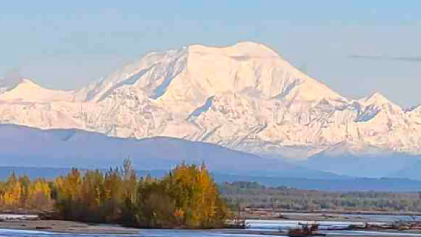
At 20,310 feet, Denali rises more than three vertical miles from base to summit, shaping weather, wildlife corridors, and flightseeing routes across the Alaska Range. Mount Denali's visibility depends on weather conditions, with clear views occurring only about 30% of summer days.
Wildlife viewing opportunities include caribou herds, grizzly bears, wolves, Dall sheep, and over 160 bird species in completely natural habitats. The 92-mile park road provides front-row seats to one of Earth's last intact ecosystems without private vehicle access beyond mile 15.
How does Kenai Fjords showcase accessible marine wilderness?
Kenai Fjords National Park provides Alaska's most accessible tidewater glacier and marine wildlife experiences through day trips from Seward. The park combines dramatic coastal scenery with abundant wildlife in a pristine marine environment just 2.5 hours from Anchorage.
Active tidewater glaciers, abundant marine mammals, and spectacular seabird colonies create comprehensive Alaska experiences within comfortable day trip parameters. Exit Glacier provides land-based glacier access demonstrating climate change impacts through documented retreat.
The park's accessibility from Alaska's road system makes it ideal for travelers with limited time while maintaining authentic wilderness experiences and world-class wildlife viewing opportunities including humpback whales, orcas, and sea otters.
What makes Katmai the world's premier bear viewing destination?
Katmai National Park hosts the world's largest concentrations of brown bears, with over 2,200 individuals creating unparalleled wildlife viewing opportunities. Brooks Falls provides the iconic Alaska experience with dozens of bears fishing for salmon simultaneously during peak runs.
Elevated viewing platforms ensure visitor safety while maintaining ethical wildlife viewing distances. Professional guides provide expertise about bear behavior, ecology, and conservation while ensuring unforgettable encounters that benefit both visitors and research efforts.
Peak bear activity occurs during salmon runs from July through September when concentrated food sources create predictable viewing opportunities impossible elsewhere on Earth. Advanced booking becomes essential due to limited access and high demand.
How do you choose the right Alaska national park for your trip
How do you choose the right Alaska national park for your trip—this short overview sets the stage for what follows. It explains the purpose of the section, the core ideas readers should keep in mind, and why the topic matters in practice. Expect a concise framing of key terms, scope, and assumptions so readers understand the context quickly. The next subsections expand with specifics, examples, and guidance. Use this overview to align expectations and locate the details most relevant to your needs. This summary emphasizes clarity and relevance for decision‑making and planning. This summary emphasizes clarity and relevance for decision‑making
What factors determine the best park for your interests?
Wildlife interests significantly influence park selection, with different parks specializing in distinct viewing opportunities. Katmai excels in brown bear viewing, while Denali offers diverse species in vast landscapes, and Kenai Fjords provides marine wildlife encounters.
Accessibility requirements vary dramatically between parks, from Denali's road access to Gates of the Arctic's complete wilderness requiring extensive planning and bush aviation. Understanding access requirements prevents disappointment and ensures appropriate preparation.
Physical capability considerations become crucial for remote parks requiring hiking, camping, and wilderness skills. Some parks offer comfortable day trips while others demand multi-day expeditions with significant physical and mental preparation.
Budget implications vary substantially between accessible parks with moderate costs and remote destinations requiring charter flights, specialized guides, and extensive equipment. Understanding total costs enables realistic planning and appropriate destination selection.
When should you visit different Alaska national parks?
Summer season (June-August) provides optimal conditions for most Alaska national parks with maximum wildlife activity, favorable weather, and full service availability. However, peak season also brings highest costs and largest crowds requiring advance planning.
Shoulder seasons (May and September) offer excellent value with reduced crowds while maintaining good weather and wildlife viewing opportunities. Spring provides opportunities to witness dramatic seasonal transitions while fall offers spectacular colors and rutting season behaviors.
Winter visits to accessible parks like Denali provide unique experiences including aurora viewing, winter wildlife adaptations, and pristine snow-covered landscapes. However, limited services and extreme conditions require specialized preparation and realistic expectations.
What should you know about planning Alaska national park visits
What should you know about planning Alaska national park visits—this short overview sets the stage for what follows. It explains the purpose of the section, the core ideas readers should keep in mind, and why the topic matters in practice. Expect a concise framing of key terms, scope, and assumptions so readers understand the context quickly. The next subsections expand with specifics, examples, and guidance. Use this overview to align expectations and locate the details most relevant to your needs. This summary emphasizes clarity and relevance for decision‑making and planning. This summary emphasizes clarity and relevance for decision‑making and planning.
How do you prepare for Alaska's remote national parks?
Remote parks like Gates of the Arctic and Lake Clark require extensive advance planning including permits, charter flights, and wilderness equipment. These destinations demand self-sufficiency and extensive outdoor experience due to complete lack of services and unpredictable conditions.
Weather preparation becomes critical for all Alaska national parks due to rapid changes and extreme conditions possible even during summer months. Layered clothing systems, waterproof gear, and emergency supplies ensure comfort and safety in challenging environments.
Communication planning includes satellite communicators or emergency beacons for remote areas without cell coverage. Understanding park-specific emergency procedures and evacuation protocols becomes essential for wilderness adventures.
Food and water considerations vary by park, with some offering services while others requiring complete self-sufficiency. Understanding availability and restrictions prevents uncomfortable situations and ensures compliance with park regulations.
What permits and reservations do Alaska national parks require?
Denali National Park requires bus reservations for travel beyond mile 15, with advance booking essential during peak season. Camping reservations open on specific dates and fill rapidly for popular campgrounds and timeframes.
Backcountry permits become necessary for overnight camping in most parks, with quotas limiting numbers in sensitive areas. Understanding permit systems and application timelines ensures access to desired areas and experiences.
Commercial tour permits affect guided experiences, with authorized operators providing professional services while unauthorized guides operating illegally. Choosing permitted operators ensures safety, legality, and support for park conservation efforts.
Special use permits may be required for activities like photography workshops, research projects, or large group activities. Understanding permit requirements prevents violations and ensures appropriate authorization for specialized activities.
How do Alaska's national parks support conservation
How do Alaska's national parks support conservation—this short overview sets the stage for what follows. It explains the purpose of the section, the core ideas readers should keep in mind, and why the topic matters in practice. Expect a concise framing of key terms, scope, and assumptions so readers understand the context quickly. The next subsections expand with specifics, examples, and guidance. Use this overview to align expectations and locate the details most relevant to your needs. This summary emphasizes clarity and relevance for decision‑making and planning. This summary emphasizes clarity and relevance for decision‑making and planning. This summary emphasizes
What conservation challenges do Alaska's parks face?
Climate change impacts Alaska's national parks more dramatically than lower latitude destinations, with glacier retreat, permafrost thaw, and ecosystem shifts visible throughout the park system. These changes affect wildlife patterns, vegetation zones, and visitor experiences.
Wildlife management challenges include human-bear conflicts, hunting pressure on park boundaries, and habitat fragmentation from development. Parks work with surrounding communities and agencies to maintain ecosystem integrity across larger landscapes.
Visitor impact management becomes increasingly important as tourism grows, requiring balance between access and preservation. Parks implement carrying capacity limits, impact mitigation strategies, and visitor education programs to minimize ecosystem disruption.
Invasive species prevention requires constant vigilance as global travel increases introduction risks. Parks maintain quarantine procedures, monitoring programs, and rapid response capabilities to prevent ecosystem damage from non-native species.
How does responsible tourism support park conservation?
Choosing carbon-neutral tour operators and following Leave No Trace principles minimizes visitor impacts while supporting conservation through responsible tourism practices. Small group sizes reduce ecosystem stress while providing more intimate and educational experiences.
Supporting park-authorized concessionaires and programs ensures tourism dollars directly benefit conservation efforts and local communities. These partnerships fund research, habitat restoration, and visitor education programs essential for long-term park protection.
Participating in citizen science programs allows visitors to contribute meaningful data for park research while gaining deeper understanding of conservation challenges and solutions. These programs create lasting connections between visitors and protected areas.
Advocating for park funding and protection extends conservation impact beyond individual visits through political support for conservation programs and habitat protection at local and national levels.
Alaska's national parks represent Earth's last great wilderness areas, requiring thoughtful planning and responsible visitation to ensure their protection for future generations. Understanding each park's unique character and requirements enables travelers to choose appropriate destinations while supporting critical conservation efforts.
For detailed information about specific parks, see our Alaska National Parks Location Guide. For comprehensive park information, consult our Alaska National Parks Complete Information. For educational content, visit our Alaska National Parks Education Guide.
On the Denali Discovery Adventure, we explore the Alaska Range by rail, raft, and helicopter with veteran local guides.
Explore our small‑group itineraries: Alaska Adventure Tours. We'll help you choose the right dates and routes for your interests.
Ready to plan your trip? Speak with our team of Alaska‑based guides. Contact our Alaska specialists to start planning.