Planning Your Trip to Juneau: When to Visit Alaska's Capital City
Download Travel Details >PRIVATE & SMALL GROUP TOURS TO THE WORLD'S BEST DESTINATIONS
Three Amazing Alaskan Vacations To Choose From!
Summer Trips To Alaska
Grizzlies & Glaciers Tour
Winter Trips To Alaska
See The Northern Lights
Summer Trips To Alaska
Denali Discovery Adventure

Juneau Weather by Month: When to Visit Alaska's Capital City
After guiding countless travelers through Juneau's unique weather patterns and helping them navigate Alaska's capital city throughout all seasons, we've learned that understanding Juneau's temperate rainforest climate is essential for maximizing your Southeast Alaska experience. Unlike interior Alaska's extreme temperature swings, Juneau's coastal location creates a maritime climate with mild temperatures, significant precipitation, and weather patterns that dramatically impact whale watching, glacier tours, and outdoor activities. Our years of coordinating Juneau adventures have taught us that visitors who align their activities with seasonal weather patterns consistently enjoy more rewarding experiences while avoiding the disappointments that come from unrealistic weather expectations.
Located in Alaska's Southeast panhandle at 58 degrees north latitude, Juneau experiences a temperate oceanic climate moderated by the Pacific Ocean and influenced by the towering Coast Range mountains that create dramatic weather variations within short distances. The city receives over 60 inches of annual precipitation, with most falling as rain rather than snow, creating lush temperate rainforest conditions that support abundant wildlife and spectacular scenery. Understanding these patterns helps visitors pack appropriately and plan realistic itineraries that embrace rather than fight Juneau's distinctive weather character.
Winter (December–February): Snow, Limited Daylight, Quiet Tourism
Winter in Juneau brings the year's most dramatic seasonal changes, with limited daylight, frequent precipitation, and temperatures averaging 25°F to 35°F (-4°C to 2°C). December offers only 6.5 hours of daylight, increasing gradually to 8.5 hours by February. Snow falls regularly but often melts quickly due to frequent temperature fluctuations and rain events that characterize Juneau's maritime winter climate.
The cruise ship tourism that dominates summer disappears completely during winter, creating a dramatically different community atmosphere focused on local residents and the small number of independent travelers willing to embrace Southeast Alaska's challenging but beautiful winter conditions. This quiet season provides authentic insights into year-round Juneau life while offering opportunities for winter activities and cultural experiences unavailable during busy summer months.
What Winter Activities Thrive Despite Challenging Weather?
Winter wildlife viewing opportunities focus on marine species that remain active in Southeast Alaska's ice-free waters, including Steller sea lions, harbor seals, and occasional whale sightings during mild weather periods. Shore-based observation and protected indoor viewing areas provide options for wildlife enthusiasts willing to embrace winter conditions.
Cross-country skiing and snowshoeing become possible during sustained cold periods, though variable snow conditions require flexibility and appropriate equipment. The Mendenhall Glacier area often provides the most reliable winter recreation opportunities, with maintained trails and visitor facilities that remain accessible during most winter conditions.
Spring (March–May): Whale Watching Season Begins
Spring brings gradually increasing daylight and the return of marine wildlife to Southeast Alaska waters, creating the beginning of Juneau's premier whale watching season. March temperatures range from 30°F to 40°F (-1°C to 4°C), warming to 40°F to 55°F (4°C to 13°C) by May. Precipitation remains frequent, but longer daylight hours and warming temperatures create improving conditions for outdoor activities and wildlife viewing.
Humpback whales begin returning to Southeast Alaska waters during April and May, creating early-season whale watching opportunities for visitors willing to embrace variable weather conditions and smaller tour group sizes. These early encounters often provide more intimate wildlife viewing experiences compared to peak summer crowds while offering competitive pricing and flexible scheduling.
Why Do Experienced Travelers Choose Spring for Whale Watching?
Spring whale watching benefits from smaller tour groups, competitive pricing, and often more active whale behavior as animals establish feeding territories and resume normal activity patterns after winter migration. Our experience shows that patient observers during spring months often witness spectacular whale behaviors including breaching, bubble net feeding, and extended surface activity.
The combination of returning wildlife, increasing daylight, and reduced tourist activity creates opportunities for authentic Southeast Alaska experiences while supporting local businesses during their shoulder season operations. Many tour operators provide specialized attention and flexibility impossible during peak summer demand.
Summer (June–August): Cruise Season, Warmest Months, Long Days
Summer represents Juneau's peak tourism season, bringing cruise ship visitors, optimal weather conditions, and maximum daylight hours that create ideal conditions for outdoor activities and wildlife viewing. Temperatures range from 50°F to 65°F (10°C to 18°C), with July typically providing the warmest and most stable conditions. Daylight extends to over 18 hours during summer solstice, creating extended opportunities for activities and sightseeing.
The cruise ship season transforms Juneau from a quiet government town into Alaska's busiest tourist destination, with multiple large ships arriving daily and thousands of visitors exploring the city's attractions, restaurants, and tour offerings. This activity creates vibrant atmosphere and maximum service availability while also generating crowds that require advance planning and realistic expectations.
How Does Cruise Season Impact Juneau Experiences?
Cruise ship schedules create predictable patterns of crowd density, with downtown areas becoming extremely busy during ship arrival periods while offering more relaxed exploration opportunities during ship departure times and non-cruise days. Understanding these patterns helps independent travelers optimize their timing for popular attractions and restaurants.
The concentration of visitors during cruise season supports maximum tour availability, extended operating hours, and full service from restaurants and attractions, creating optimal infrastructure for visitors while also generating competition for popular experiences like whale watching and glacier tours. We recommend advance booking for all activities during peak summer months.
Fall (September–November): Shoulder Season, Changing Foliage
Fall provides exceptional opportunities for visitors seeking to experience Juneau without summer crowds while maintaining access to most activities and services. September temperatures range from 45°F to 60°F (7°C to 16°C), cooling to 35°F to 45°F (2°C to 7°C) by November. Precipitation increases as storm systems become more frequent, but the dramatic reduction in tourist activity creates opportunities for more authentic Southeast Alaska experiences.
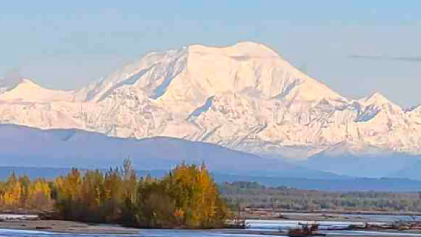
Autumn colors in Southeast Alaska's temperate rainforest create spectacular displays during late September and early October, with golden cottonwoods and birches contrasting against evergreen forests and dramatic mountain backdrops. This brief but spectacular season provides unique photographic opportunities and scenic beauty that rivals any destination worldwide.
When Does Fall Offer the Best Value for Juneau Visits?
September represents optimal fall timing, combining summer-like weather conditions with dramatically reduced crowds and competitive pricing for accommodations and tours. Many tour operators extend their seasons through September while offering more personalized service and flexible scheduling compared to peak summer operations.
Wildlife viewing remains excellent during fall months as marine species continue feeding activities in preparation for winter, while terrestrial wildlife becomes more visible as vegetation dies back and animals concentrate in accessible areas. The combination of active wildlife and reduced visitor pressure creates optimal conditions for serious wildlife photography and observation.
Weather's Impact on Tours and Activities
Juneau's maritime climate creates variable conditions that significantly impact outdoor activities, wildlife tours, and glacier viewing experiences. Understanding these impacts helps visitors plan realistic itineraries while maintaining flexibility for weather-dependent activities and alternative indoor options during challenging conditions.
Whale watching and marine tours operate year-round but experience varying success rates based on weather conditions, with calm seas and clear visibility providing optimal viewing conditions while storms and high winds can limit tour operations or reduce wildlife activity. Most tour operators maintain flexible cancellation policies that prioritize safety while accommodating weather-related schedule changes.
How Do Weather Patterns Affect Mendenhall Glacier Access?
Mendenhall Glacier viewing and hiking opportunities remain accessible throughout most of the year, though trail conditions and visibility vary significantly based on precipitation and cloud cover. Clear weather provides spectacular glacier views and optimal photography conditions, while overcast skies can obscure mountain views but often create dramatic lighting effects and comfortable hiking conditions.
The glacier visitor center provides excellent indoor viewing and educational opportunities that remain valuable regardless of weather conditions, while maintained trails offer varying difficulty levels that accommodate different weather scenarios and visitor mobility requirements.
Packing Tips for Each Month/Season
Successful Juneau packing requires understanding the city's maritime climate and preparing for frequent precipitation, variable temperatures, and activities that range from urban exploration to wilderness hiking. Our experience helping travelers navigate Juneau's weather challenges has taught us that appropriate clothing systems and rain protection determine the success of outdoor activities more than any other factor.
What Rain Gear Proves Essential for Juneau Success?
Quality rain gear represents the most critical packing decision for Juneau visits, as precipitation occurs frequently throughout the year and can transform comfortable outdoor activities into miserable experiences without appropriate protection. We recommend waterproof rain jackets and pants rated for extended outdoor use rather than basic rain ponchos that provide inadequate protection during active pursuits.
Waterproof footwear becomes equally important, as Juneau's frequent precipitation creates wet conditions on trails, sidewalks, and outdoor viewing areas. Hiking boots with waterproof membranes or dedicated rain boots provide comfort and safety during extended outdoor activities while preventing foot problems that can limit activity participation.
Layering Strategies for Variable Conditions
Juneau's maritime climate creates frequent temperature fluctuations that require flexible layering systems capable of adapting to changing conditions throughout single days. Base layers, insulating mid-layers, and waterproof outer shells provide versatility for conditions ranging from mild coastal weather to mountain hiking environments.
Even summer visitors should pack warm layers for evening activities, boat tours, and potential weather changes that can occur rapidly in Southeast Alaska's mountain and marine environment. The combination of maritime moisture and potential temperature drops creates conditions where inadequate clothing can quickly become dangerous rather than merely uncomfortable.
Overall Best Months for Visiting Juneau
For visitors prioritizing optimal weather conditions and maximum activity availability, July and August provide the most reliable temperature and precipitation patterns while offering peak daylight hours and full service from all tourism infrastructure. These months justify their popularity despite crowds and premium pricing through consistent weather and optimal wildlife activity.
September represents exceptional value for visitors willing to accept slightly more variable weather in exchange for reduced crowds, competitive pricing, and often more personalized service from local operators. Our experience shows that September visitors frequently report more authentic and memorable experiences while maintaining access to most summer activities and services.
Which Months Balance Weather and Value Most Effectively?
May and September offer compelling shoulder season opportunities with reasonable weather, reduced crowds, and competitive pricing while maintaining access to most tours and attractions. These months require more flexible packing and realistic expectations about weather variability but often provide exceptional value and more authentic community experiences.
For wildlife enthusiasts, the extended whale watching season from May through September provides flexibility for timing visits around other Alaska destinations while ensuring access to Juneau's premier marine wildlife viewing opportunities. The key lies in building flexible itineraries that accommodate weather delays while prioritizing essential experiences during optimal conditions.
Understanding Juneau's weather patterns allows visitors to pack appropriately, plan realistic itineraries, and embrace the maritime climate that creates Southeast Alaska's distinctive character and abundant wildlife. Rather than fighting the weather, successful Juneau visitors learn to work with seasonal patterns while maintaining the flexibility essential for optimal Alaska experiences.
Ready to navigate Juneau's unique weather patterns for an incredible Southeast Alaska adventure? Our expertise in timing and planning helps travelers optimize their Juneau experiences while ensuring comfort and safety during Alaska's capital city exploration and carefully selected accommodations.