Your Guide to Exploring Denali National Park Alaska's Crown Jewel
Download Travel Details >PRIVATE & SMALL GROUP TOURS TO THE WORLD'S BEST DESTINATIONS
Three Amazing Alaskan Vacations To Choose From!
Summer Trips To Alaska
Grizzlies & Glaciers Tour
Winter Trips To Alaska
See The Northern Lights
Summer Trips To Alaska
Denali Discovery Adventure

Exploring Denali National Park: Alaska's Crown Jewel
Denali National Park offers North America's premier wildlife viewing opportunities, where visitors can observe large mammals in their natural habitat without the artificial feeding or behavioral modification found in other destinations. Our experience guiding wildlife expeditions has taught us that Denali's protected ecosystem supports healthy populations of grizzly bears, black bears, moose, caribou, Dall sheep, and wolves in densities that create exceptional viewing opportunities for patient observers.
The park's open tundra landscapes provide visibility impossible in forested regions, allowing observers to spot wildlife from considerable distances while maintaining safe viewing practices. Bus tours along the park road maximize wildlife encounters by covering diverse habitats while providing expert interpretation from experienced driver-naturalists who understand animal behavior and optimal viewing strategies.
Where Can You Find Denali's Most Spectacular Wildlife?
Grizzly bears frequent berry patches, salmon streams, and open meadows throughout the park, with sightings most common during summer months when bears actively forage for winter preparation. Our guides position groups for optimal bear viewing while maintaining the 300-yard distances required for both safety and park regulations. The Toklat River area and Sable Pass represent premier bear viewing locations during peak season.
Caribou herds migrate through the park seasonally, creating spectacular viewing opportunities when timing aligns with their movements. The Denali Caribou Herd numbers approximately 2,000 animals that range throughout the park's northern regions, offering opportunities to witness large-scale wildlife movements in pristine wilderness settings.
Wolf packs represent Denali's most elusive wildlife success story, with healthy populations that maintain natural pack structures and hunting behaviors. While wolf sightings require patience and often luck, successful encounters provide unforgettable glimpses into predator-prey relationships and pack dynamics that define functioning wilderness ecosystems.
Optimizing Wildlife Viewing Success
Early morning and evening hours provide optimal wildlife activity periods when animals move between feeding and resting areas. Our experience shows that visitors who book morning bus departures and remain alert throughout full-day excursions consistently report the most diverse and memorable wildlife encounters.
Seasonal timing significantly impacts wildlife viewing opportunities. Summer months offer the most active wildlife behavior and accessible viewing conditions, while shoulder seasons can provide excellent experiences with fewer crowds and potentially more concentrated animal activity in accessible areas.
Hiking and Backcountry Adventures
Denali's hiking opportunities range from maintained trails near the park entrance to unlimited backcountry exploration throughout six million acres of pristine wilderness. The park's minimal trail system reflects its wilderness character, with most hiking involving cross-country travel through trackless tundra, alpine meadows, and river valleys that require navigation skills and wilderness experience.
Established trails near the park entrance provide accessible hiking for all skill levels, including the Horseshoe Lake Trail, Rock Creek Trail, and Mount Healy Overlook Trail. These maintained paths offer excellent introductions to Denali's ecosystems while providing spectacular views of the Alaska Range and opportunities for wildlife encounters near the park entrance.
What Backcountry Experiences Define Authentic Denali Adventure?
Backcountry hiking in Denali requires permits and careful planning but provides wilderness experiences unavailable through structured tours. The park's unit system divides backcountry areas into management zones that limit visitor numbers while providing access to pristine wilderness areas where hikers can experience true solitude and unmediated nature encounters.
Multi-day backpacking expeditions allow deep wilderness immersion with opportunities for wildlife viewing, alpine exploration, and authentic wilderness challenges. These experiences require serious preparation, appropriate equipment, and wilderness skills, but reward adventurous travelers with transformative encounters with untouched Alaska wilderness.
Scenic Drives and Bus Tours Inside the Park
The 92-mile Denali Park Road provides the primary access into the park's interior, with private vehicle access limited to the first 15 miles to Savage River. Beyond this point, park shuttle buses and tour buses provide transportation deeper into the wilderness while minimizing environmental impact and maximizing wildlife viewing opportunities through expert driver-naturalist guidance.
Bus tours range from half-day excursions to Toklat River to full-day adventures reaching Kantishna, the park's western boundary. Each route offers distinct landscapes and wildlife viewing opportunities, from the foothills near the park entrance to the expansive tundra and mountain vistas of the park's interior regions.
How Do You Choose the Right Denali Bus Experience?
Tour bus options provide narrated experiences with guaranteed seating and structured itineraries that work well for visitors seeking comprehensive interpretation and comfortable travel. These tours include meal service and restroom facilities while providing expert commentary about wildlife, geology, and cultural history throughout the journey.
Transit buses offer more flexible, economical options that allow passengers to disembark for hiking or extended viewing opportunities before catching later buses to continue their journey. This system works well for adventurous travelers who want to combine structured transportation with independent exploration opportunities.
Weather significantly impacts road conditions and mountain visibility, with Denali (the mountain) visible only about 30% of the time due to cloud cover. Clear weather days provide spectacular mountain views and optimal photography conditions, while overcast conditions often produce better wildlife viewing as animals remain active without bright sunlight and heat stress.
Mount McKinley/Denali Peak: Climbing, Viewing, Photography
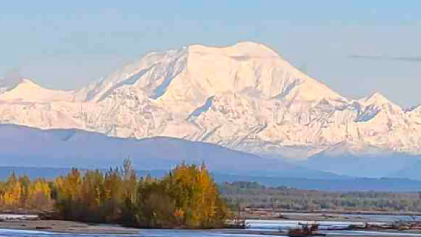
Denali, North America's highest peak at 20,310 feet, dominates the park's landscape and weather patterns while providing the ultimate mountaineering challenge for serious climbers. The mountain's extreme elevation gain from base to summit—over 18,000 feet—creates one of the world's most challenging climbing objectives, requiring technical mountaineering skills, extensive cold-weather experience, and careful expedition planning.
Climbing Denali requires permits, substantial preparation, and typically 2-3 weeks for summit attempts. The standard West Buttress route challenges climbers with extreme cold, altitude, and weather conditions that test even experienced mountaineers. Most climbers fly to base camp at 7,200 feet on the Kahiltna Glacier, beginning their expedition in one of the world's most remote and challenging mountain environments.
What Viewing and Photography Opportunities Showcase Denali's Majesty?
For non-climbers, Wonder Lake provides the classic Denali viewing and photography location, offering unobstructed views of the mountain's north face reflected in pristine alpine waters. This iconic vista requires full-day bus tours to reach but rewards visitors with one of North America's most spectacular mountain panoramas when weather conditions permit clear viewing.
Photography opportunities abound throughout the park road, with varying perspectives of Denali and the surrounding Alaska Range peaks. Early morning and evening light create optimal conditions for mountain photography, while storm clearing often produces dramatic lighting effects that showcase the mountain's massive scale and alpine beauty.
Flightseeing tours from nearby airstrips provide aerial perspectives of Denali and glacier landing opportunities impossible through ground-based travel. These flights showcase the mountain's vertical relief and glaciated terrain while providing access to remote areas and unique photographic perspectives of North America's highest peak.
Visitor Centers and Educational Experiences
The Denali Visitor Center anchors the park's educational programs with exhibits covering natural history, cultural heritage, and conservation challenges facing subarctic ecosystems. Interactive displays and ranger programs provide essential context for understanding the complex relationships between wildlife, climate, and ecosystem management that define Denali's significance.
Sled dog demonstrations at the park kennels showcase the historical and contemporary role of sled dogs in park operations, including research activities and winter transportation in areas inaccessible by other means. These programs connect visitors to Alaska's cultural heritage while demonstrating practical applications of traditional transportation methods in contemporary conservation work.
How Do Educational Programs Enhance Denali Experiences?
Ranger-led programs throughout the summer season cover topics ranging from wildlife biology and geology to cultural history and climate change impacts. These programs provide expert interpretation that enhances independent exploration while connecting specific Denali observations to broader ecological and conservation concepts.
The Murie Science and Learning Center offers specialized educational programs for groups and individuals interested in deeper understanding of Arctic and subarctic research. These programs connect visitors to ongoing scientific work while providing insights into climate change research, wildlife management, and ecosystem monitoring that inform park management decisions.
Nearby Towns: Healy, Talkeetna, Gateway Communities
The small community of Healy, located just outside the park's northern entrance, provides essential services including accommodations, restaurants, and tour operators while maintaining a frontier character that complements the Denali wilderness experience. Healy's lodges and hotels offer convenient access to park activities while providing comfortable amenities for multi-day Denali explorations.
Talkeetna, located south of the park, serves as the primary base for Denali climbing expeditions while offering flightseeing tours, cultural attractions, and authentic Alaska small-town character. This historic community provides alternative perspectives on Denali and access to unique aviation-based experiences that complement park-based activities.
What Role Do Gateway Communities Play in Denali Experiences?
Gateway communities provide essential services, accommodations, and local perspectives that enhance park visits while supporting regional economies dependent on responsible tourism. These towns offer insights into contemporary Alaska life while providing comfortable bases for multi-day park explorations.
Local tour operators and guides based in gateway communities often provide specialized experiences and local knowledge that complement park programs. These services range from photography workshops and wildlife tours to cultural experiences and adventure activities that extend Denali visits beyond the park boundaries.
Best Times to Visit and Seasonal Considerations
Denali's short summer season, typically running from late May through mid-September, provides optimal access to park roads, wildlife viewing, and hiking opportunities. Peak season occurs during July and August when all facilities operate at full capacity, wildlife activity peaks, and weather conditions provide the most reliable access to park interior areas.
Shoulder seasons offer compelling alternatives with reduced crowds, potentially lower accommodation costs, and unique seasonal experiences. Late May and early June provide excellent wildlife viewing as animals emerge from winter dormancy, while September offers fall colors and comfortable hiking conditions with fewer visitors competing for optimal viewing positions.
How Do Weather Patterns Affect Denali Experiences?
Weather significantly impacts both wildlife activity and mountain visibility, with clear conditions essential for optimal Denali viewing and photography. Summer weather can change rapidly, requiring flexible itineraries and appropriate clothing for conditions ranging from warm sunshine to cold rain and potential snow at higher elevations.
Wind patterns and cloud formation often obscure mountain views, particularly during midday hours when thermal activity increases cloud development. Early morning hours typically provide the best mountain viewing conditions, while wildlife activity often peaks during cooler morning and evening periods when animals move between feeding and resting areas.
Summary: Why Denali Is Alaska's Crown Jewel
Denali National Park represents the pinnacle of Alaska wilderness experiences, combining North America's highest peak with pristine ecosystems that support complete wildlife communities and offer authentic wilderness encounters. Our years of guiding expeditions through this remarkable landscape have convinced us that Denali provides experiences that define transformative travel and create lasting connections to wild places and natural processes.
The park's commitment to wilderness preservation over convenient access creates experiences increasingly rare in our developed world. Visitors who embrace Denali's challenges and respect its wildness discover landscapes and wildlife encounters that exceed expectations while providing profound appreciation for ecosystem conservation and wilderness values.
Whether seeking wildlife photography, backcountry adventure, mountain climbing, or simply witnessing functioning wilderness ecosystems, Denali provides opportunities that justify its reputation as Alaska's crown jewel. The combination of accessibility and authentic wilderness creates unique value for travelers seeking genuine encounters with untouched nature.
Ready to experience Denali's wilderness magic? Our carefully selected Healy accommodations and expert Denali expedition services help travelers navigate this remarkable wilderness while maximizing opportunities for extraordinary wildlife encounters and authentic Alaska adventures.
After guiding countless expeditions through Denali National Park, we've witnessed firsthand why this six-million-acre wilderness stands as Alaska's most iconic natural wonder and one of the world's premier wildlife viewing destinations. As North America's highest peak towers over an ecosystem that supports grizzly bears, wolves, caribou, and countless other species, Denali offers experiences that define authentic Alaska adventure. Our years of leading carefully planned Denali expeditions have taught us that this remarkable park rewards prepared visitors with life-changing encounters with wilderness and wildlife.
Established in 1917, Denali National Park and Preserve protects a complete subarctic ecosystem centered around the massive Alaska Range and its crowning jewel, 20,310-foot Denali. The park's single road penetrates 92 miles into this pristine wilderness, providing access to landscapes and wildlife viewing opportunities found nowhere else on Earth. From its entrance near the small community of Healy to the remote Wonder Lake, Denali showcases Alaska's wildest character while offering structured experiences that make this vast wilderness accessible to travelers seeking authentic encounters with untouched nature.
History and Significance of Denali National Park
Denali's establishment as Mount McKinley National Park reflected early conservation efforts to protect Alaska's wildlife and landscapes from commercial exploitation. The park's expansion in 1980 tripled its size while restoring the mountain's indigenous name, Denali, meaning "the high one" in the Koyukon language. This change honored the thousands of years of indigenous presence in the region while recognizing the cultural significance of North America's tallest peak.
The park's significance extends beyond its impressive statistics to represent successful ecosystem conservation on a massive scale. Denali protects complete habitat ranges for large mammals, maintains natural predator-prey relationships, and preserves wilderness conditions that existed before European contact. Our experience guiding visitors through this landscape consistently demonstrates the power of comprehensive ecosystem protection.
What Makes Denali's Conservation Model Unique?
Unlike many national parks where development preceded protection, Denali maintained its wilderness character through careful management that prioritized ecosystem integrity over visitor convenience. The park's single road, controlled access, and emphasis on wildlife protection create experiences that showcase functioning wilderness rather than managed landscapes.
The park's research programs contribute essential knowledge about climate change impacts, predator-prey dynamics, and ecosystem management that influences conservation efforts worldwide. Visitors often witness ongoing research activities that connect their wilderness experiences to broader scientific understanding of ecosystem function and conservation challenges.