
When Is the Best Time to Visit Fairbanks for Amazing Northern Lights
Download Travel Details >PRIVATE & SMALL GROUP TOURS TO THE WORLD'S BEST DESTINATIONS
Three Amazing Alaskan Vacations To Choose From!
Summer Trips To Alaska
Grizzlies & Glaciers Tour
Winter Trips To Alaska
See The Northern Lights
Summer Trips To Alaska
Denali Discovery Adventure
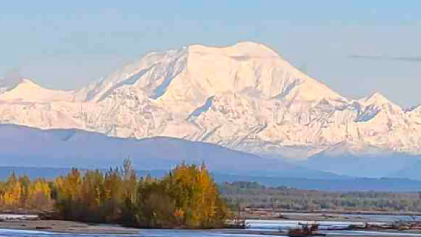

Fairbanks Weather and Best Time to Visit for Northern Lights
After guiding countless travelers through Fairbanks' extreme seasonal variations, we've learned that understanding this interior city's weather patterns is absolutely critical for aurora viewing success and overall trip satisfaction. Fairbanks experiences some of North America's most dramatic temperature swings and daylight variations, creating distinct travel seasons that offer completely different experiences. Our years of monitoring weather patterns and aurora activity have taught us that smart timing and proper preparation can mean the difference between magical northern lights encounters and disappointing cloudy nights.
Located at 64 degrees north latitude in Alaska's continental interior, Fairbanks sits beneath the aurora oval while experiencing extreme subarctic climate conditions. The city's inland position, far from moderating ocean influences, creates temperature extremes that range from summer highs in the 80s°F to winter lows approaching -60°F. These extremes, combined with dramatic daylight variations, require careful planning and realistic expectations for successful Fairbanks adventures.
Winter Weather (December–February): Coldest Months, Best Aurora Season
Winter in Fairbanks delivers the planet's most spectacular northern lights displays while testing visitors with some of North America's coldest urban temperatures. Average temperatures range from -10°F to 10°F (-23°C to -12°C), with January typically bringing the most extreme cold. We've guided aurora expeditions during -40°F nights and watched travelers experience life-changing aurora displays, but only when they came properly prepared for serious arctic conditions.
The aurora season peaks during winter's darkest months, when Fairbanks experiences optimal viewing conditions with minimal daylight interference. December offers only 3.5 hours of daylight, increasing to 6 hours by February. This extended darkness creates prime aurora viewing windows from 10 PM to 4 AM, with spectacular displays possible throughout the night during peak activity periods.
What Makes Winter Weather Ideal for Aurora Viewing?
Clear, cold winter nights provide the best aurora viewing conditions, as stable high-pressure systems eliminate cloud cover while creating the crisp atmospheric conditions that enhance aurora visibility. Our experience shows that the coldest nights often produce the most spectacular displays, though extreme temperatures require serious preparation and appropriate clothing systems.
Winter weather patterns in Fairbanks create reliable aurora viewing opportunities during stable periods. Temperature inversions common in the Tanana Valley can create ground-level ice fog, but these conditions typically occur during very cold, calm periods that also produce excellent aurora displays above the fog layer.
Surviving Fairbanks Winter Extremes
Extreme cold weather demands respect and preparation. We've witnessed travelers unprepared for -30°F conditions develop frostbite within minutes, emphasizing the importance of proper layering systems, insulated footwear, and face protection. Quality cold-weather gear becomes essential safety equipment rather than optional comfort items during Fairbanks winters.
Spring in Fairbanks (March–May): Warming Temps, Shoulder Tourism
Spring brings welcome relief from winter's extreme cold while maintaining excellent aurora viewing opportunities through March and early April. Temperatures warm from winter lows to more manageable ranges, with March averaging -5°F to 20°F (-21°C to -7°C) and May reaching 35°F to 60°F (2°C to 16°C). The increasing daylight gradually reduces aurora viewing windows but creates opportunities for outdoor activities previously impossible during deep winter.
Breakup season, typically occurring in April and early May, creates challenging conditions as snow melts and ice breaks up on local rivers. This transitional period can produce muddy, slushy conditions that give spring travel a poor reputation among casual visitors, though prepared travelers often discover exceptional value and fewer crowds.
Why Consider Spring for Aurora and Activity Combinations?
Late March and early April offer compelling combinations of aurora viewing opportunities with more moderate temperatures and increasing daylight for outdoor activities. This sweet spot allows travelers to experience northern lights displays while also participating in winter activities like dog sledding and ice fishing during more comfortable conditions.
Spring migration brings millions of birds to Alaska's interior, creating exceptional birding opportunities for travelers interested in wildlife viewing. The combination of aurora viewing, winter activities, and emerging wildlife creates unique seasonal experiences unavailable during other times of year.
Summer (June–August): Mild Temps, Midnight Sun
Summer transforms Fairbanks into a completely different destination, with comfortable temperatures ranging from 50°F to 80°F (10°C to 27°C) and nearly constant daylight that eliminates aurora viewing possibilities. The midnight sun phenomenon reaches its peak during summer solstice when Fairbanks experiences over 21 hours of daylight, creating surreal experiences for visitors accustomed to normal day-night cycles.
Summer weather typically brings Alaska's interior its most pleasant conditions, with warm days perfect for hiking, fishing, and outdoor exploration. However, the constant daylight makes aurora viewing impossible, fundamentally changing the travel experience from winter's aurora-focused adventures to summer's outdoor activity emphasis.
How Does Midnight Sun Affect Travel Experiences?
The midnight sun creates unique challenges and opportunities for summer visitors. While the extended daylight allows for flexible activity scheduling and extended outdoor adventures, it can disrupt sleep patterns for travelers sensitive to light. We recommend bringing eye masks and blackout strategies for comfortable summer sleep in Fairbanks.
Summer's warmth and extended daylight create ideal conditions for wilderness activities, cultural events, and outdoor festivals that showcase Fairbanks' community character. The World Eskimo-Indian Olympics, Midnight Sun Baseball Game, and various outdoor concerts take advantage of summer's favorable conditions while celebrating the region's unique culture.
Fall (September–November): Crisp Air, Aurora Returns, Fewer Crowds
Fall represents an exceptional time to visit Fairbanks, combining the return of aurora viewing opportunities with comfortable temperatures and dramatically reduced tourist crowds. September temperatures range from 35°F to 65°F (2°C to 18°C), cooling to 5°F to 25°F (-15°C to -4°C) by November. The rapid decrease in daylight hours restores aurora viewing possibilities while maintaining reasonable outdoor activity conditions.
Aurora season typically begins in late August or early September, when darkness returns after summer's midnight sun period. Early fall aurora viewing benefits from warmer temperatures that make extended outdoor viewing more comfortable, though cloud cover can increase as weather patterns become more unstable.
When Does Fall Offer the Best Aurora Viewing Value?
September and October provide excellent aurora viewing opportunities with significantly reduced accommodation costs and fewer crowds competing for tour spots. Our experience shows that fall visitors often enjoy more personalized service and better availability for specialized tours and activities compared to peak winter aurora season.
Fall colors in Alaska's interior create spectacular backdrops for aurora photography and outdoor activities. The combination of golden aspen and birch forests with returning northern lights offers unique seasonal beauty that attracts photographers and nature enthusiasts seeking distinctive Alaska experiences.
How Weather Affects Aurora Viewing (Cloud Cover, Daylight)
Weather conditions dramatically impact aurora viewing success, making understanding meteorological patterns essential for planning successful northern lights expeditions. Cloud cover represents the primary obstacle to aurora viewing, as even spectacular geomagnetic displays remain invisible beneath overcast skies.
High-pressure weather systems typically bring clear skies ideal for aurora viewing, while low-pressure systems often create cloud cover that blocks aurora visibility. Our guides monitor weather forecasts and pressure systems to position travelers for optimal viewing opportunities while maintaining backup plans for cloudy conditions.
What Weather Patterns Provide the Best Aurora Conditions?
Stable, cold weather patterns often produce the clearest skies and most spectacular aurora displays. Temperature inversions can create ground-level fog, but aurora displays remain visible above the fog layer for elevated viewing positions. Our experience has taught us that patience and flexibility with viewing locations often overcome challenging weather conditions.
Wind conditions affect both aurora viewing comfort and photographic opportunities. Calm conditions allow for longer outdoor viewing sessions and better photography, while strong winds can make extended outdoor aurora viewing dangerous during extremely cold weather. We always prioritize safety over aurora viewing during severe weather conditions.
Packing for Each Season (Cold Gear, Summer Essentials)
Successful Fairbanks packing requires understanding the extreme conditions each season presents and preparing accordingly. Our years of guiding travelers through Fairbanks' climate extremes have taught us that appropriate clothing can determine the success or failure of entire trips.
What Cold Weather Gear Proves Essential for Winter Visits?
Winter visits demand serious arctic-rated clothing systems. Essential items include insulated boots rated for -40°F or colder, layered clothing systems with moisture-wicking base layers, insulating mid-layers, and windproof outer shells. Face protection becomes crucial during extremely cold conditions, as exposed skin can develop frostbite within minutes.
We recommend testing all cold-weather gear before departure, as equipment failure in -30°F conditions creates dangerous situations. Quality gear represents essential safety equipment rather than luxury items during Fairbanks winters. Hand and foot warmers, insulated gloves, and warm headwear complete essential cold-weather packing lists.
Summer Packing Strategies for Interior Alaska
Summer packing focuses on sun protection, insect repellent, and layers for variable conditions. Despite warm daytime temperatures, Fairbanks summers can bring cool mornings and evenings that require light insulation. Rain gear remains important, as summer thunderstorms can develop quickly in Alaska's interior.
Insect protection becomes crucial during summer months, as mosquitoes and other biting insects can make outdoor activities unpleasant without proper repellent and protective clothing. Light-colored, long-sleeved clothing provides protection while remaining comfortable during warm weather.
Best Time Overall for Northern Lights Seekers
For travelers focused primarily on northern lights experiences, we recommend visiting Fairbanks between October and March, when darkness provides optimal viewing windows and aurora activity typically peaks. Within this period, December through February offers the most reliable viewing opportunities, though extreme cold requires serious preparation and appropriate gear.
First-time aurora viewers often benefit from late fall or early spring visits, when temperatures remain more manageable while still providing excellent viewing opportunities. March and October represent sweet spots that balance aurora viewing potential with more comfortable outdoor conditions for extended viewing sessions.
Extended stays significantly improve aurora viewing success rates regardless of season. We recommend minimum four-night visits during aurora season, as weather, geomagnetic activity, and lunar cycles can impact viewing on individual nights. Flexible travelers who build extra nights into their itineraries consistently experience the most spectacular aurora displays.
Our experience has shown that visitors who align their expectations with seasonal realities while preparing appropriately for Fairbanks' extreme conditions consistently report transformative aurora viewing experiences. The combination of world-class aurora displays with proper preparation creates memories that last lifetimes.
Travelers who want to see what those magical aurora moments can look like can explore Gondwana’s Northern Lights adventure gallery, featuring real Alaska northern lights photography from past adventures.
Ready to experience Fairbanks' incredible northern lights displays? Our comprehensive Fairbanks travel guide and expert aurora viewing tours help travelers navigate weather challenges while maximizing opportunities for spectacular northern lights encounters.