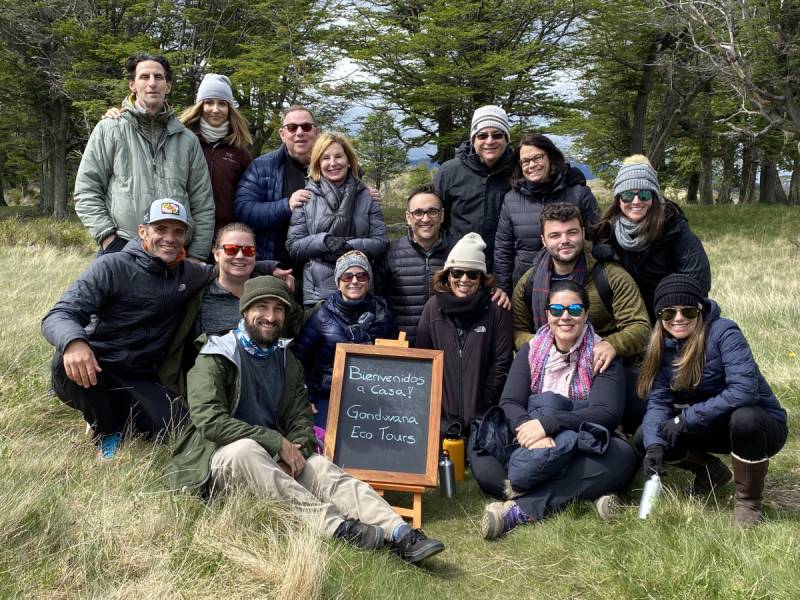
Argentina Wildlife Conservation: Giving Back Through Adventure
Download Travel Details >PRIVATE & SMALL GROUP TOURS TO THE WORLD'S BEST DESTINATIONS
Join Us For A Safari In Tanzania

Sustainable tourism spots and Eco-Volunteering in Argentina
In Argentina, travel can be more than sightseeing—it can be a way to give back. Across this vast South American country, eco-conscious programs are redefining what it means to explore responsibly. From Patagonia’s windswept plains to the lush wetlands of Corrientes, travelers are joining hands with local communities, scientists, and conservationists to protect native species through Argentina wildlife conservation initiatives and promote sustainability while traveling.
This movement—anchored in eco-volunteering—has turned Argentina into one of South America’s most exciting sustainable tourism spots. It’s a model of travel where visitors spend their days planting trees, monitoring wildlife, and sharing skills that strengthen local communities, all while discovering some of the most beautiful landscapes on Earth.
Why Argentina Leads in Eco-Volunteering
Few countries offer such ecological diversity as Argentina. From subtropical forests in the north to glaciers and penguin colonies in the south, the country offers something for everyone. This biodiversity also means a wide range of conservation needs—habitats to restore, species to protect, and communities to support.
Over the past decade, Argentina has embraced the concept of eco-volunteering as part of its broader sustainable tourism initiatives. NGOs, eco-lodges, and national parks now offer structured volunteer programs that combine travel, education, and environmental impact for structured, small group tours desiring to make a social impact.
There are many key reasons Argentina stands out as a leader in eco-volunteering. The top reasons include:
- Rich biodiversity: From jaguars in Misiones to whales in Patagonia, Argentina is a haven for diverse species on both land and sea.
- Community partnerships: Locally run initiatives ensure funds stay within rural economies, funding local initiatives and helping local economies grow.
- Accessible programs: Opportunities exist for all experience levels, from students to retirees, so everyone can be part of the solution!
- Cultural immersion: Volunteers live and work alongside Argentines, gaining language and cultural insights while promoting meaningful cultural exchange.
Argentina Wildlife Conservation: Protecting Nature’s Icons
At the heart of Argentina’s eco-travel movement is Argentina wildlife conservation. The country’s varied ecosystems—mountains, wetlands, pampas, and forests—are home to countless species under threat. Conservation projects invite travelers to become active participants rather than passive observers.
Ecosystem #1: Rewilding Patagonia
In Patagonia’s vast grasslands and steppe, the Rewilding Argentina Foundation leads efforts to reintroduce native species once lost to hunting and habitat loss. Volunteers may help monitor pumas, track guanacos, and restore wetlands crucial to bird migration.
Other volunteer activities include:
- Building wildlife monitoring stations.
- Recording animal movements via camera traps.
- Removing invasive species and replanting native flora.
- Supporting local education about conservation ethics.
Patagonia’s dramatic scenery—snow-capped peaks, turquoise lakes, and endless skies—makes these efforts deeply rewarding. The project not only protects wildlife but also restores balance to an entire ecosystem.
Ecosystem #2: Iberá Wetlands: Jaguar and Giant Anteater Conservation
In northeastern Argentina, the Iberá Wetlands (Esteros del Iberá) are one of South America’s largest freshwater reserves. Once overexploited for cattle and hunting, the region is now a beacon of Argentina wildlife conservation. Thanks to sustained rewilding, species like the jaguar and giant anteater are returning after decades of absence. And volunteers have played a role in this return by visiting local sustainable tourism spots.
Eco-volunteering roles in Iberá include:
- Assisting with camera-trap data collection and wildlife surveys.
- Helping feed and monitor reintroduced species under supervision.
- Supporting educational workshops for local children.
- Maintaining eco-trails and visitor centers in sustainable tourism zones.
Volunteers stay in small eco-lodges or homestays near Colonia Carlos Pellegrini, a model town for sustainable tourism in Argentina.
Ecosystem #3: Marine Conservation in Peninsula Valdés
Peninsula Valdés is a UNESCO World Heritage Site on the Atlantic Coast. It is also one of the world’s premier marine conservation zones. Volunteers and researchers work together to protect southern right whales, elephant seals, and Magellanic penguins at this location.
Sustainable tourism spots here limit visitor numbers, ensuring minimal disturbance to marine life. Eco-volunteers assist with:
- Whale identification through photo-monitoring.
- Beach clean-ups and plastic waste removal.
- Data collection on bird nesting behavior.
- Public awareness campaigns on marine pollution.
This combination of research, community education, and hands-on work helps preserve Argentina’s delicate coastal ecosystems.
Community-Based Eco Projects in Argentina
Eco-travel in Argentina isn’t limited to remote wilderness. Across the country, small communities are using eco-volunteering to drive sustainable development.
Examples include:
- Permaculture farms in Córdoba and Mendoza: Here, volunteers learn organic farming, water conservation, and natural building techniques while helping maintain regenerative landscapes.
- Andean villages in Jujuy: Projects in these villages focus on renewable energy installations and cultural preservation of indigenous Quechua and Aymara traditions.
- Wine region initiatives: Sustainable vineyards around Mendoza invite volunteers to assist in organic grape cultivation, soil regeneration, and eco-friendly production.
These community-driven projects combine traditional knowledge with modern sustainability practices, making them some of Argentina’s most innovative sustainable tourism spots.
How Eco-Volunteering Works
Eco-volunteering in Argentina blends adventure with impact. Programs are designed to fit different travel goals—from a two-week immersion trip to long-term placements.
The typical program structure for such a trip includes:
- Orientation: Volunteers receive training on conservation goals, safety, and local culture.
- Daily tasks: Vary by project—wildlife tracking, habitat restoration, environmental education, or farming.
- Community engagement: Cultural exchange activities, local markets, and Spanish practice.
- Sustainability workshops: Learn about climate resilience, renewable energy, and conservation strategies.
During the trip, volunteers learn skills such as:
- Field research and ecological monitoring
- Cross-cultural communication
- Sustainable agriculture and permaculture techniques
- Environmental education methods
Most projects operate on a cost-sharing basis: volunteers cover accommodation and meals, which directly fund conservation efforts.
Sustainable Tourism Spots Across Argentina
Eco-volunteering opportunities are scattered across Argentina’s most scenic regions—each offering unique natural and cultural appeal.
Top sustainable tourism spots include:
- Patagonia (Santa Cruz & Chubut): Rewilding projects, whale observation, and national park restoration.
- Iberá Wetlands (Corrientes): Wetland protection, jaguar rehabilitation, and eco-education.
- Mendoza Province: Sustainable wineries, organic farming, and renewable energy workshops.
- Misiones Rainforest: Bird monitoring and deforestation prevention in Atlantic forest reserves.
- Northwest Argentina (Salta and Jujuy): Indigenous-led tourism and community-based sustainability projects.
Each destination pairs environmental conservation with local economic growth—ensuring that tourism benefits both people and planet.
Responsible Travel Tips for Visitors
To make eco-travel in Argentina meaningful and sustainable, visitors are encouraged to follow best practices that align with conservation values.
Tips for eco-conscious travelers include:
- Choose certified eco-volunteering programs with transparent environmental goals.
- Support community-owned accommodations and locally run tours.
- Use public or shared transport where possible to reduce emissions.
- Bring reusable water bottles and eco-friendly toiletries.
- Learn basic Spanish to engage respectfully with host communities.
- Respect wildlife: observe from a distance and avoid feeding or disturbing animals.
- Offset travel emissions by contributing to reforestation projects in Patagonia or Misiones.
These actions ensure that tourism remains a force for good, shoring up Argentina’s fragile ecosystems and ensuring that economic development helps local communities grow.
The Broader Impact of Eco-Volunteering in Argentina
The rise of eco-volunteering has transformed the perception of travel in Argentina—from consumption to contribution. Travelers no longer come only to see; they come to participate, to restore, and to learn.
By supporting Argentina wildlife conservation and sustainable tourism spots, these initiatives:
- Rebuild habitats and safeguard endangered species.
- Empower rural communities through education and income generation initiatives.
- Promote renewable energy and sustainable farming practices.
- Strengthen global awareness about biodiversity and climate resilience.
For travelers interested in sustainable opportunities, eco-volunteering can turn their journey into an act of preservation and conservation – not one of consumption.
Travel with Purpose: Argentina Wildlife Conservation
Argentina’s beauty lies not only in its landscapes but also in its spirit of renewal. As more travelers seek meaningful ways to connect with nature and culture, eco-volunteering offers the perfect balance of adventure and altruism. For those ready to travel with purpose to support Argentina wildlife conservation, eco-volunteering is a way to learn, grow, and give the next generation hope by rewriting the country’s environmental story today.