Ecotourism in Argentina High-Altitude Wetlands
Download Travel Details >PRIVATE & SMALL GROUP TOURS TO THE WORLD'S BEST DESTINATIONS
Join Us In Argentina!

Puna Ecotourism and Andean Flamingo Tours
For travelers looking for a unique experience, Northwestern Argentina delivers. Here, visitors can discover landscapes that are both stark and surprisingly alive. Puna, located in the Argentina high-altitude wetlands, is home to shimmering Andean lagoons teeming with wildlife that has adapted to life above 9,000 feet. For those seeking meaningful travel experiences, this remote region is where adventure meets purpose. Through Puna ecotourism and carefully designed small group journeys, visitors not only witness extraordinary scenery but also help protect fragile ecosystems and support local communities.
The Magic of the Puna: Where Earth Meets Sky
Stretching across the provinces of Jujuy Province, Salta Province, and Catamarca Province, the Puna is a high-altitude plateau riddled with salt flats and volcanoes. Scattered across the plateau are a series of high-Andean wetlands, with jewel-toned lagoons fed by underground springs and snowmelt. These lagoons create delicate oases in an otherwise arid region.
Despite the harsh climate—intense sun by day and freezing temperatures by night—the wetlands sustain remarkable biodiversity. The Argentina high-altitude wetlands are especially famous for their flamingo populations. Watching these elegant birds glide across mirror-like waters at sunrise is an experience that leaves many travelers speechless.
Andean Lagoons: A Sanctuary for Flamingos
Among the most iconic sites in Puna are the Lagunas Altoandinas, a network of protected wetlands that includes Laguna de los Pozuelos and Laguna Brava. These lagoons provide critical breeding and feeding grounds for three species of South American flamingos, including the rare Andean flamingo.
Laguna de los Pozuelos
Laguna de los Pozuelos is globally significant for biodiversity, especially birds. The site is officially protected as the Monumento Natural Laguna de los Pozuelos and is part of a UNESCO Biosphere Reserve, recognized for its critical role as a habitat for waterbirds. Each year, tens of thousands of birds use the site, including the three flamingo species found in Argentina — Andean, Chilean, and James’s flamingos — as well as ducks, plovers, avocets, gulls, and migratory shorebirds. Laguna de los Pozuelos is an important site for both resident and migratory birds, and is a hotspot for Andean flamingo tours.
Lagunas Brava
Laguna Brava is a spectacular high-altitude salt lagoon in northwestern Argentina, located in the Andes near the border with Chile. It is one of the most dramatic and ecologically important wetlands in the Argentine Puna. Laguna Brava sits within a volcanic corridor of the central Andes and is home to massive stratovolcanoes, lava fields, salt crusts, and mineral deposits. The shallow saline waters of this lagoon provide feeding grounds rich in microorganisms that sustain large seasonal flocks of flamingos, as well as other high-altitude bird species adapted to harsh conditions.
Unlike mass tourism destinations, the lagoons in Puna remain largely uncrowded. The remoteness of the area acts as a form of protection. Carefully managed tourism through small group tours ensures that visitors keep a respectful distance from nesting areas, minimizing wildlife disturbance while maximizing the appreciation of those who visit.
Why Small Group Tours Make a Big Difference
Travel in such fragile environments requires intention. Small group tours—often limited to fewer than a dozen participants—are a cornerstone of sustainable eco-tourism in Argentina. These intimate experiences ensure:
- Lower environmental impact: Fewer vehicles crossing delicate salt flats means less surface disruption, and smaller groups help protect sensitive habitats throughout the Puna region.
- Deeper, more meaningful experiences: Flexible itineraries allow travelers to move at a natural pace and engage directly with expert local guides.
- Stronger connections with local communities: Travelers gain insight into ancestral traditions, Indigenous cultures, and the spiritual significance of the land.
- Direct support for conservation and livelihoods: Tourism revenue flows into local communities and reinforces long-term conservation initiatives in Argentina’s high-altitude ecosystems.
Small group tours ensure that Puna ecotourism is a collaboration between visitors and residents. This sustainable model ensures that the country’s unique natural and cultural heritage is preserved for future generations.
Eco Tourism in Argentina: A Model for Conservation
Across the country, eco-tourism in Argentina has evolved as a powerful tool for environmental protection. From the subtropical forests of Iguazú National Park to the windswept plains of Patagonia, conservation-focused travel initiatives are reshaping how visitors experience nature. In the Argentina high-altitude wetlands, this approach is critical. Sustainable tourism helps counterbalance environmental pressures by creating economic incentives to preserve rather than exploit natural resources.
Entrance fees to protected areas fund park management and scientific research. Lodges built with renewable energy systems reduce reliance on fossil fuels. Tour operators educate travelers on responsible behavior—carrying reusable water bottles, respecting wildlife, and minimizing waste in remote regions where disposal options are limited. As a result, tourism generates income, income supports conservation, and conservation ensures the landscapes remain extraordinary for future generations.
A Journey Through Color and Silence
An Andean flamingo tour is less a sightseeing excursion and more an immersion into vastness, color, and silence. After hours of crossing remote plateaus, travelers arrive at landscapes that feel otherworldly — places where volcanic ridges frame brilliant lagoons and wildlife thrives against all odds.
- After long drives across the windswept Puna plains, travelers catch their first surreal glimpse of a high-Andean lagoon — an unexpected flash of blue set between rugged volcanic peaks.
- Drawing closer, they see flamingos standing in glassy, mineral-rich water, their pale pink bodies reflected against shimmering shorelines.
- The atmosphere is strikingly quiet: no crowds, no commercial infrastructure — only wind sweeping across open space and the rhythmic calls of birds.
- The immense scale of the landscape invites stillness and reflection, with horizons that seem to stretch endlessly beneath high-altitude skies.
- Many travel tours also include nearby cultural and geological highlights, such as the blinding salt flats of Salinas Grandes and the adobe streets of Purmamarca beneath the multicolored slopes of Cerro de los Siete Colores.
For many tourists, it is often the wetlands themselves that create a lasting impression. Watching flamingos feed and gather in such an extreme environment is a powerful reminder of how life adapts and flourishes even in the harshest and highest corners of the Andes.
Responsible Wildlife Encounters
One of the greatest appeals of Andean flamingo tours is the opportunity to observe wildlife ethically. Responsible operators adhere to strict guidelines: maintaining safe viewing distances, limiting time spent near breeding colonies, and avoiding loud noises or drones.
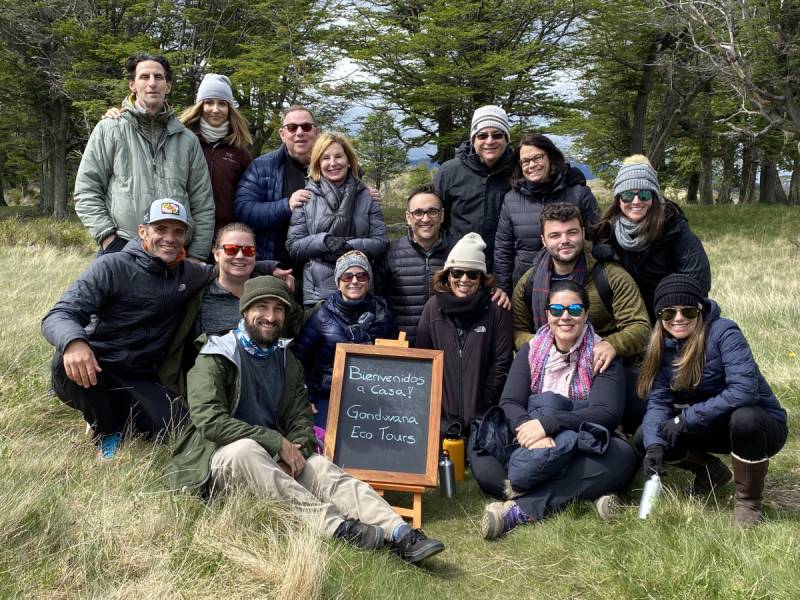
Travelers become active participants in conservation simply by choosing a reputable tour operator, like Gondwana Ecotours. Their presence supports park rangers who monitor bird populations and protect nesting areas from disturbance. It also raises international awareness about the importance of high-altitude ecosystems, which are less well known than rainforests or coral reefs but equally vital.
Cultural Connections in the Highlands
The Puna is not only a natural wonder but also a living cultural landscape. Indigenous communities have adapted to high-altitude life for centuries, herding llamas and cultivating quinoa in challenging conditions. Through community-based Puna ecotourism initiatives, visitors gain insight into these traditions.
Sharing a simple meal of local ingredients or learning about traditional weaving techniques deepens appreciation for the region. Tourism revenue supports schools, healthcare facilities, and infrastructure projects, reinforcing the link between sustainability and social well-being. When travelers engage respectfully, they help ensure that cultural heritage remains vibrant rather than commodified.
Planning a Sustainable Adventure
The best time to visit Argentina’s Puna for flamingo tours and high-Andean ecotourism depends largely on water levels, bird activity, and road conditions. Because these wetlands are shaped by seasonal rains, timing your visit carefully can make the difference between a quiet lagoon and one filled with thousands of flamingos.
- Late summer to early autumn (February–April) is often considered the prime season to visit Argentina high-altitude wetlands. Seasonal rains leave lagoons fuller, attracting large numbers of flamingos to feed and gather in shallow, mineral-rich waters. During these months, wetlands across the region — including areas near Salinas Grandes and high-altitude reserves — tend to be at their most visually striking, with stronger color contrasts and active birdlife.
- Spring (October–November) can also be rewarding, as temperatures are milder and migratory bird activity increases, though water levels may vary depending on rainfall.
- Winter (June–August) offers clear skies and dramatic landscapes, but colder temperatures and reduced water levels can mean fewer flamingos in certain lagoons. However, wildlife viewing can still be excellent in well-watered areas.
Just remember, travel conditions matter: summer rain may make some remote roads muddy or temporarily inaccessible, while winter provides more stable driving conditions but colder, windier weather.
For travelers focused on flamingos and wetland ecosystems, late summer and early autumn typically provide the best balance of abundant birdlife, reflective lagoons, and accessible routes. No matter the season, the Puna’s vast silence, high-altitude light, and resilient wildlife make it one of Argentina’s most remarkable destinations for nature-based travel and Andean flamingo tours.
Where Travel and Conservation Meet
In a world where overtourism threatens many iconic destinations, the Andean lagoons of Argentina offer a refreshing alternative. Here, small group travel and eco-tourism in Argentina work hand in hand to protect fragile wetlands while creating unforgettable journeys. Puna ecotourism demonstrates that exploration does not have to come at the expense of preservation.
Through thoughtful planning, respectful wildlife encounters, and meaningful community engagement, visitors become allies in conservation. This thoughtful collaboration ensures that the Argentina high-altitude wetlands are more than a destination. They are a testament to the power of responsible travel, where every step taken lightly helps ensure that these extraordinary landscapes endure.