Alaska Bear Destinations Comparison: Katmai vs Kodiak vs Denali
Download Travel Details >PRIVATE & SMALL GROUP TOURS TO THE WORLD'S BEST DESTINATIONS
Three Amazing Alaskan Vacations To Choose From!
Summer Trips To Alaska
Grizzlies & Glaciers Tour
Winter Trips To Alaska
See The Northern Lights
Summer Trips To Alaska
Denali Discovery Adventure

Where to See Bears in Alaska
For travelers drawn to raw wilderness, unbroken landscapes, and the profound experience of watching wild animals thrive in their natural habitat, few journeys rival a bear viewing adventure in Alaska. However, to get the most out of your adventure, an Alaska bear destinations comparison can help.
In this rugged northern frontier, three iconic places stand out: Kodiak, Katmai, and Denali. Each offers uniquely powerful encounters with bears, but truly appreciating the differences between them requires more than checking boxes. It means immersing oneself in eco-tourism, seeking small-group tours that prioritize sustainability, and honoring the landscapes that support these majestic animals.
Kodiak: The Island of Giants
Kodiak Island is home to the largest brown bears in the world. When visitors consider Kodiak vs Katmai bears, one of the first distinctions they notice is sheer scale. Kodiak brown bears rival the famous coastal bears of other regions in both size and strength, creating an awe-inspiring spectacle.
On Kodiak Island, bears roam dense forests and sprawling river valleys with minimal human disruption. The entire island ecosystem supports a robust food chain — from salmon runs to tidal flats brimming with crustaceans — that nurtures some of the most formidable individuals in the bear world.
Small-group tours in Kodiak are deeply rooted in wildlife ethics. Tour operators prioritize:
- Quiet observation from safe distances
- Limited visitor numbers to reduce stress on wildlife
- Education on bear behavior and habitat preservation
Rather than crowding popular fishing streams, these tours often base their experiences out of remote lodges, where naturalist guides help visitors interpret subtle animal cues and environmental rhythms.
Why Kodiak is unforgettable:
- Kodiak bears are among the largest brown bears on Earth.
- The remote terrain of Kodiak Island feels untouched and sacred.
- Every sighting feels private and profound due to low visitor density.
If you’ve ever dreamt of standing on a riverbank and watching massive bears fish for salmon in a rolling river, Kodiak is a destination that blends wildlife spectacle with mindful travel. On Kodiak Island, visitors can witness these powerful animals in their natural habitat while guided experiences emphasize conservation, respect, and safe viewing practices.
Katmai: Home of the Brooks Falls Bears
Katmai National Park and Preserve is perhaps the most famous bear-watching location in the world. When comparing Kodiak vs Katmai bears, most travelers think of the iconic images of salmon leaping against blue skies while brown bears clutch their catch at Brooks Falls. These scenes symbolize Alaska’s wild soul.
Katmai’s fame centers on the local bears’ seasonal fishing frenzy. From mid-summer through early autumn, hundreds of brown bears converge on the Brooks River. This concentration makes Katmai arguably the most accessible place on the planet to observe brown bear behavior in one setting.
But accessibility doesn’t mean Brooks Falls is overcrowded. If you choose a small group eco tour, like the ones offered by Gondwana Ecotours, you’ll benefit from an operator that offers:
- Educated guides who interpret bear social dynamics and explain bear behavior
- Viewing platforms that allow proximity to the bears, yet maintain a respectful distance so as not to interfere with wildlife behavior
- Scheduling that avoids peak crowd times, ensuring a more immersive bear watching experience
The goal is to ensure visitors witness Katmai’s magic without diminishing the experience or the bears’ well-being. Here, eco tourism isn’t just a phrase; it’s the foundation of every visit. National park staff and local guides understand that bears must remain the stars of the landscape — and that preservation, rather than disturbance, ensures they’ll thrive for future generations.
What sets Katmai apart:
- Unmatched concentration of bears during salmon runs
- Brooks Falls viewing platforms are designed with visitor safety and wildlife well-being in mind
- Deep learning opportunities about bears’ life cycles and behaviors through conversations with expert naturalists
For travelers who want immersive bear encounters wrapped in context and respect, Katmai delivers experiences that stay with them long after the flight home. Here, visitors can safely observe powerful brown bears in their natural rhythms while expert guides share insight into the delicate ecosystems that sustain them.
Denali: Iconic Wilderness & Bear Watching in the Wild
Denali National Park and Preserve does not host the dense congregations of brown bears that Katmai does, or the especially large bears that Kodiak is known for. However, it has earned a place in our Alaska bear destinations comparison for its extraordinary landscape and holistic ecosystem.
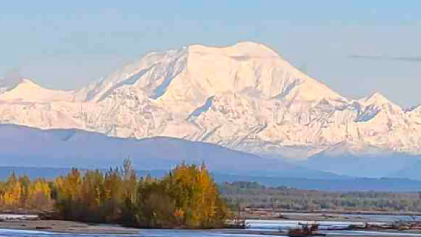
Denali’s bear encounters happen against the backdrop of North America’s tallest peak: Denali. Here, grizzly bears (the inland cousins of coastal brown bears) roam expanses of tundra, rivers, and forests. Sightings are less frequent than at Katmai, and the bears are more dispersed than in Kodiak. That’s precisely what many travelers seek: a feeling of wide-open wilderness where every glimpse of wildlife is a gift.
Small-group tours are essential in Denali for both comfort and conservation. They allow travelers to traverse the park’s vastness with knowledgeable local guides who know where bears and other wildlife will appear during different times of day and season.
Denali’s eco-tourism strengths include:
- Guided bus tours tailored to optimal wildlife watching
- Educational programs on ecosystem interdependencies
- Strict park measures that limit disturbance to wildlife
Where Kodiak and Katmai emphasize density and spectacle, Denali bear watching reveals bears as part of a grander story of wild survival, climate resilience, and expansive Northern landscapes. In Denali National Park and Preserve, sightings often unfold against sweeping tundra and North America’s tallest peak, offering a humbling perspective on how grizzlies navigate a vast, untamed wilderness shaped by extreme seasons.
Comparing the Experiences
When travelers weave together experiences from Kodiak, Katmai, and Denali, the diversity of Alaska’s bear habitats becomes unmistakable. Below is a comparison that helps distinguish what each destination offers:
Setting
- Kodiak: Remote island wilderness; old-growth forests and salmon-rich rivers.
- Katmai: River valleys and waterfalls; world-renowned for bear concentrations.
- Denali: Vast tundra and mountain landscapes; wildlife dispersed over large areas.
Bear Behavior
- Kodiak: Large brown bears with solitary, methodical foraging habits.
- Katmai: Seasonal bear aggregations and active salmon fishing.
- Denali: Grizzly bears are interspersed among diverse wildlife; less predictable.
Best Time to Visit
- Kodiak: Summer through early fall for salmon runs.
- Katmai: Late June through September for peak Brooks River activity.
- Denali: Summer for bear and wildlife activity; shoulder seasons for quieter travel.
Eco Tourism & Sustainability
- All three destinations champion responsible travel, but the approach varies:
- Kodiak: Intimate, low-impact tours that limit human footprint.
- Katmai: Structured viewing platforms and guided interpretation ensure respectful distances.
- Denali: Park-wide regulations emphasize wildlife safety and habitat integrity.
Why Choose Small-Group Tours?
Across all three destinations, small-group tours enrich the experience — not just logistically, but ethically. By keeping group sizes limited, guides can focus on: minimizing disturbance to wildlife, enhancing wildlife viewing through expert interpretation, promoting sustainable practices like leave-no-trace ethics, and supporting local communities and conservation efforts.
Small-group travel ensures that the focus remains on the bears and their environment — not on crowds or photo-ops. Many outfitters also participate directly in conservation initiatives, meaning visitors contribute tangibly to preserving the very habitats they come to admire. Whether it’s funding river cleanup efforts, supporting bear research, or partnering with indigenous communities, these tours embody the spirit of eco-tourism.
The Heart of the Matter
An Alaska bear destinations comparison isn’t just about which place has the most bears or the most dramatic waterfalls. It’s about understanding how each landscape shapes those encounters, how each supports complex ecological webs, and how each invites travelers to be thoughtful stewards of the wild.
For the traveler who treasures both wonder and responsibility, bear watching in Alaska — done through small-group, sustainable tours — becomes more than a trip. It becomes a story of connection: between visitor and wilderness, past and future, and humanity and the natural world.