
Is Summer the Best Time to See Exit Glacier Alaska?
Download Travel Details >PRIVATE & SMALL GROUP TOURS TO THE WORLD'S BEST DESTINATIONS
Three Amazing Alaskan Vacations To Choose From!
Summer Trips To Alaska
Grizzlies & Glaciers Tour
Winter Trips To Alaska
See The Northern Lights
Summer Trips To Alaska
Denali Discovery Adventure
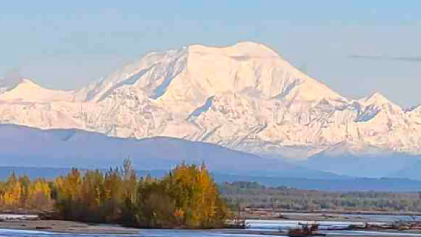

Exit Glacier Alaska Tours for Eco-Conscious Summer Travelers
Alaska has more glaciers than the rest of the inhabited world combined — roughly 100,000 of them, covering about 5 percent of the state's total land area. But seeing a picture of a glacier and actually standing at the foot of one are two very different experiences. For most travelers, a trip to Exit Glacier Alaska is the best way to make that second thing possible. The question, however, is when to visit, what tour operator to book, and what responsible access to these landscapes actually looks like.
Why Summer Changes Everything for Glacier Travel
You can access Alaska's glaciers year-round, but practical access for most visitors is heavily concentrated in summer. Snow and ice on access roads and trails restrict independent movement for much of the year. Park facilities operate on reduced schedules outside of the summer months. And a visitor's ability to hike on or near glaciers, see calving events, or reach the faces of tidewater glaciers by kayak, is dramatically increased from June through September - especially at Exit Glacier Alaska.
Summer also brings the visual contrast that makes glacier travel so striking. The deep blue of glacial ice against a backdrop of green tundra and grey rock is a distinctly summer palette. In winter, everything merges into a single white landscape. Alaska's extraordinary summer light, lasting well past midnight, illuminates the ice in ways that change throughout the day and reward photographers who stay flexible about their timing.
Exit Glacier and What Makes It Accessible
Of all the glaciers accessible to visitors in Alaska, Exit Glacier in Kenai Fjords National Park is among the most remarkable. This massive glacier is famous not just for what it looks like, but for what it represents and how easy it is to reach.
Exit Glacier Alaska sits just outside Seward, accessible by a paved road that runs directly to the visitor center at the glacier's base. From there, a series of trails fan out across the outwash plain and up the glacier's lateral moraines, offering views that range from a short flat walk to a full-day hike to the Harding Icefield. It is one of the few glaciers in North America where travelers can walk to the edge of the ice without specialized equipment or a guided mountaineering experience.
That accessibility is part of what makes Exit Glacier so valuable as an educational destination. The trail system includes historical markers showing where the glacier's face stood in past decades. Walking that timeline on foot makes the glacier's year-by-year retreat real in a way that no chart or photograph can adequately capture.
The Harding Icefield: What Feeds the Glacier
Exit Glacier Alaska is an outlet of the Harding Icefield, one of the largest icefields in the United States and the source of most of the glaciers in Kenai Fjords National Park. The icefield covers roughly 700 square miles and feeds more than 40 named glaciers that flow outward in every direction.
The Harding Icefield Trail offers visitors a strenuous full-day hiking experience, where they will gain nearly 4,000 feet of elevation. Eventually, hikers will reach the icefield's edge above the treeline. On clear days, the view from the top is one of the most striking in Alaska: a vast white expanse interrupted only by the dark peaks of nunataks rising through the ice. This is the kind of landscape that makes an impact, showing off the scale of Alaska's scenery is a dramatic way. For those physically able to complete the hike, the experience is one of the best Alaska summer experiences with a small group tour.
Has Exit Glacier Shrunk?
Exit Glacier has retreated more than a mile since the 1800s, and the pace of that retreat has accelerated significantly in recent decades. USGS monitoring data documents the changes across Alaska's glacier systems. Exit Glacier is one of the most studied and visible examples of ongoing glacial retreat in the state.
For eco-conscious travelers, visiting Exit Glacier is a warning. The evidence of climate change is written directly into the landscape in a way that reinforces the changes that are occuring in nature. This is the kind of travel that connects people to environmental realities in ways that are difficult to forget.
What Glacier Calving Season Looks Like
Exit Glacier Alaska does not calve into water. Instead, it terminates on land, which means the dramatic calving events associated with tidewater glaciers are not part of the Exit Glacier experience. For travelers specifically interested in watching ice break off into the sea, the tidewater glaciers of Kenai Fjords are a better option and can be found just a short boat ride from Seward.
Calving season peaks in summer, when warmer temperatures accelerate the movement of glacial ice toward the water. Tidewater glaciers like those in the Aialik Bay and Northwestern Fjord areas of Kenai Fjords National Park produce some of the most dramatic calving events visible from a small vessel. The sound, a deep crack followed by a low rumble and then a crash, is something travelers remember long after the trip is over. Glacier kayaking in Kenai Fjords offers a particularly close perspective on tidewater ice, though it requires appropriate preparation and ideally a knowledgeable guide.
Other Kenai Fjords Glaciers Worth Visiting
Exit Glacier Alaska draws the most independent travelers, but Kenai Fjords National Park contains dozens of other glaciers worth visiting. The tidewater glaciers accessed by boat from Seward include some of the most visually dramatic ice in the state:
- Aialik Glacier is one of the most active tidewater glaciers in the park, known for frequent calving and an impressive face that rises roughly 300 feet above the waterline
- Northwestern Glacier sits at the head of Northwestern Fjord and is accessible only by extended boat trips, with the remoteness adds significantly to the experience
- Holgate Glacier is a smaller tidewater glacier with excellent wildlife viewing in the surrounding waters, including sea otters, harbor seals hauled out on ice floes, and seabird colonies on the cliffs above
A Kenai Fjords small group tour typically combines time at Exit Glacier with boat access to the tidewater glaciers, giving travelers both the land-based and marine perspectives in a single itinerary.
Responsible Travel Around Glaciers
Glacier travel carries real responsibility. Glacial environments are fragile: Moraines are unstable, recently deglaciated terrain is still establishing plant communities, and wildlife using these areas includes brown bears, Dall sheep, and mountain goats that depend on undisturbed habitat.
Responsible glacier travel means staying on marked trails at Exit Glacier Alaska, respecting wildlife distance guidelines, and choosing tour operators who approach marine glacier access with the same care. On the water, responsible operators maintain safe distances from calving faces and avoid disturbing marine mammals resting on ice floes. Kenai Fjords National Park's visitor safety guidelines cover the specific considerations for both land and water-based glacier visits and are worth reading before arrival.
Gondwana Ecotours approaches Alaska's glacier landscapes with the same low-impact principles that guide all of our tours. Small groups, knowledgeable guides, and genuine respect for the environments we move through. That combination produces a glacier experience that is better for travelers and better for the places themselves.
Alaska's glacier season moves quickly. Download our travel details to see how Gondwana offers tour groups access to Exit Glacier, Kenai Fjords, and the broader Glaciers and Grizzlies itinerary.