
Understanding Alaska's Climate: Science Behind the Weather
Download Travel Details >PRIVATE & SMALL GROUP TOURS TO THE WORLD'S BEST DESTINATIONS
Three Amazing Alaskan Vacations To Choose From!
Summer Trips To Alaska
Grizzlies & Glaciers Tour
Winter Trips To Alaska
See The Northern Lights
Summer Trips To Alaska
Denali Discovery Adventure
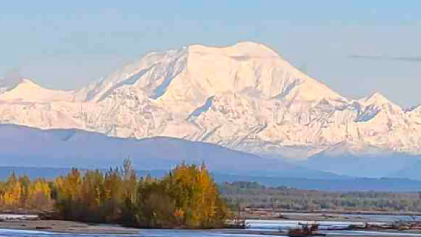

Alaska Climate & Weather Information
We live and guide in Alaska, and our purpose is simple: craft small‑group, carbon‑neutral journeys that protect the places and wildlife we love. With community partners and Alaska Native guides, we turn travel into a force for conservation—so every encounter enriches local livelihoods and the land.
Prefer to go deeper, not bigger? Our groups stay intentionally small, our routes are chosen for minimal impact, and—we're proud to say—our trips are verifiably carbon‑neutral from start to finish.
What scientific forces create Alaska's complex climate systems?
Alaska's climate results from the interaction of geographic location, topographic features, and oceanic influences creating some of Earth's most diverse weather patterns. The state spans 20 degrees of latitude and includes multiple mountain ranges, extensive coastlines, and vast interior regions.
Understanding the scientific principles behind Alaska's weather helps travelers appreciate why conditions vary so dramatically and predict patterns that affect outdoor activities, wildlife viewing, and safety considerations.
How do geographic factors shape Alaska's climate zones
What scientific forces create Alaska's complex climate systems?—this short overview sets the stage for what follows. It explains the purpose of the section, the core ideas readers should keep in mind, and why the topic matters in practice. Expect a concise framing of key terms, scope, and assumptions so readers understand the context quickly. The next subsections expand with specifics, examples, and guidance. Use this overview to align expectations and locate the details most relevant to your needs. This summary emphasizes clarity and relevance for decision‑making and planning. This summary emphasizes clarity and relevance for decision‑making and planning. This summary
Why does latitude create such extreme seasonal variations?
Alaska extends from 54°N to 71°N latitude, placing most of the state well above the Arctic Circle during summer months. This extreme northern position creates dramatic seasonal daylight variations from 24-hour summer sun to months of winter darkness.
The Earth's axial tilt of 23.5 degrees means Alaska receives very low-angle sunlight even during summer months, reducing solar heating efficiency. Winter brings no direct sunlight to northern regions, creating polar night conditions lasting months.
Solar angle differences between summer and winter exceed those experienced anywhere else in North America, creating temperature swings of 100°F or more in Interior regions. These variations affect everything from wildlife behavior to human comfort and safety.
Latitude also affects atmospheric circulation patterns, positioning Alaska in the path of Arctic air masses during winter while enabling Pacific maritime influences during summer months.
What role do mountain ranges play in weather patterns?
Alaska's mountain ranges including the Alaska Range, Chugach Mountains, and Brooks Range create dramatic orographic effects that modify weather patterns. These barriers force air masses upward, creating cooling, precipitation, and wind patterns.
The Alaska Range acts as a massive barrier between maritime Pacific influences and continental interior conditions. This creates distinct weather zones with wet, moderate coastal conditions transitioning to dry, extreme interior climates within short distances.
Mountain-induced precipitation creates Alaska's wettest regions along coastal ranges while creating rain shadows in protected valleys. Some coastal areas receive over 200 inches annually while interior valleys receive less than 10 inches.
Elevation changes of over 20,000 feet from sea level to mountain peaks create vertical climate zones with temperature differences equivalent to traveling thousands of miles in latitude.
| Factor | Effect on Climate | Regional Impact | Seasonal Variation |
|---|---|---|---|
| High Latitude | Low solar angle, extreme daylight variation | All regions | Extreme differences |
| Maritime Influence | Moderate temperatures, high precipitation | Coastal areas | Less extreme |
| Continental Effect | Temperature extremes, low precipitation | Interior regions | Very extreme |
| Orographic Effects | Precipitation patterns, wind systems | Mountain areas | Moderate variation |
| Arctic Ocean | Sea ice effects, cold air masses | Northern Alaska | Ice-dependent |
How do oceanic influences modify Alaska's weather
How do oceanic influences modify Alaska's weather—this short overview sets the stage for what follows. It explains the purpose of the section, the core ideas readers should keep in mind, and why the topic matters in practice. Expect a concise framing of key terms, scope, and assumptions so readers understand the context quickly. The next subsections expand with specifics, examples, and guidance. Use this overview to align expectations and locate the details most relevant to your needs. This summary emphasizes clarity and relevance for decision‑making and planning. This summary emphasizes clarity and relevance for decision‑making and planning. This summary emphasizes
What effects does the Pacific Ocean have on Alaska climate?
The North Pacific Ocean moderates temperatures along Alaska's southern coast while providing moisture for the extensive precipitation that characterizes maritime regions. Warm ocean currents including the Alaska Current bring heat northward.
Pacific storm systems bring most of Alaska's precipitation, following jet stream patterns that direct moisture-laden air masses toward Alaska's mountain barriers. These systems create the cyclonic weather patterns common throughout the state.
El Niño and La Niña cycles significantly affect Alaska weather patterns, with El Niño bringing warmer, drier conditions while La Niña creates cooler, wetter patterns. These oscillations affect precipitation, temperature, and storm frequency.
Ocean temperature variations affect marine ecosystems that support Alaska's wildlife, influencing food availability and animal distribution patterns important for wildlife viewing and fishing activities.
How does the Arctic Ocean influence northern Alaska?
The Arctic Ocean's sea ice coverage dramatically affects northern Alaska's climate by reflecting solar radiation and insulating ocean heat from the atmosphere. Ice extent varies seasonally and annually affecting regional weather patterns.
When sea ice retreats, darker ocean water absorbs more solar radiation, creating localized warming that affects atmospheric circulation patterns. This feedback loop contributes to accelerated warming in Arctic regions.
Arctic Ocean influences extend inland through cold air mass development over ice-covered waters. These air masses bring extreme cold to interior regions during winter months.
Climate change affects Arctic Ocean ice coverage, altering traditional weather patterns and creating new challenges for weather prediction and safety planning in northern regions.
What atmospheric circulation patterns affect Alaska weather
What atmospheric circulation patterns affect Alaska weather—this short overview sets the stage for what follows. It explains the purpose of the section, the core ideas readers should keep in mind, and why the topic matters in practice. Expect a concise framing of key terms, scope, and assumptions so readers understand the context quickly. The next subsections expand with specifics, examples, and guidance. Use this overview to align expectations and locate the details most relevant to your needs. This summary emphasizes clarity and relevance for decision‑making and planning. This summary emphasizes clarity and relevance for decision‑making and planning. This summary emphasizes
How do jet streams control Alaska's weather systems?
The polar jet stream's position largely determines Alaska's weather patterns by steering storm systems and controlling the boundary between Arctic and temperate air masses. Jet stream variations affect temperature, precipitation, and storm frequency.
When the jet stream moves north, Alaska experiences warmer conditions with Pacific maritime influences dominating. Southern displacement brings Arctic conditions southward, creating extreme cold and clear conditions.
Jet stream meandering creates blocking patterns that can persist for weeks, causing unusual weather such as extended warm spells in winter or cool, wet summers. These patterns affect wildlife behavior and travel conditions.
Climate change appears to be affecting jet stream stability, creating more extreme meandering patterns that increase weather variability and make long-range forecasting more challenging.
What role do pressure systems play in Alaska weather?
High-pressure systems typically bring clear, stable weather with calm winds and good visibility, creating optimal conditions for flightseeing, wildlife viewing, and outdoor activities. These systems often produce temperature extremes due to clear skies.
Low-pressure systems bring stormy weather with precipitation, wind, and overcast skies. While less comfortable, these systems often produce dramatic lighting conditions and can increase wildlife activity.
The Aleutian Low, a semi-permanent low-pressure system, dominates winter weather patterns by directing Pacific storm systems toward Alaska. This system's strength and position affect the entire state's winter weather.
The North Pacific High influences summer weather patterns by directing the jet stream and controlling the flow of maritime air masses into Alaska. Strength and position variations create different summer weather patterns.
How is climate change affecting Alaska's weather patterns
How is climate change affecting Alaska's weather patterns—this short overview sets the stage for what follows. It explains the purpose of the section, the core ideas readers should keep in mind, and why the topic matters in practice. Expect a concise framing of key terms, scope, and assumptions so readers understand the context quickly. The next subsections expand with specifics, examples, and guidance. Use this overview to align expectations and locate the details most relevant to your needs. This summary emphasizes clarity and relevance for decision‑making and planning. This summary emphasizes clarity and relevance for decision‑making and planning. This summary
What temperature changes are occurring in Alaska?
Alaska is warming at twice the global average rate, with average temperatures rising 3-4°F over the past 50 years. This warming affects all seasons but shows most dramatically in winter temperature increases.
Winter temperatures have increased 6-8°F in interior regions, affecting ice formation, wildlife behavior, and traditional activities. Summer warming remains more moderate but still significantly above global averages.
Temperature increases vary by region with Arctic areas showing the greatest warming while maritime regions show more moderate changes. This differential warming affects weather pattern stability.
Record-breaking temperatures become more common with extreme heat events occurring more frequently in interior regions. These extremes affect wildlife, vegetation, and visitor comfort during summer months.
How are precipitation patterns changing?
Precipitation patterns show increased variability with some regions becoming wetter while others experience drying trends. Winter precipitation increasingly falls as rain rather than snow in southern regions.
Extreme precipitation events become more common with intense rainfall causing flooding while drought periods become more frequent in some interior regions. These changes affect wildlife habitat and travel safety.
Snow accumulation patterns change with earlier spring melts and later fall freezing affecting wildlife food sources and travel conditions. Glacial melt accelerates, affecting water supplies and marine ecosystems.
Seasonal precipitation timing shifts affect plant growth cycles and wildlife breeding patterns, influencing optimal timing for wildlife viewing and natural phenomenon observation.
What weather measurement and prediction challenges exist in Alaska
What weather measurement and prediction challenges exist in Alaska—this short overview sets the stage for what follows. It explains the purpose of the section, the core ideas readers should keep in mind, and why the topic matters in practice. Expect a concise framing of key terms, scope, and assumptions so readers understand the context quickly. The next subsections expand with specifics, examples, and guidance. Use this overview to align expectations and locate the details most relevant to your needs. This summary emphasizes clarity and relevance for decision‑making and planning. This summary emphasizes clarity and relevance for decision‑making and planning. This
Why is weather forecasting more difficult in Alaska?
Alaska's vast size and sparse weather station network create challenges for accurate weather prediction. Many regions have no permanent weather monitoring, leaving forecasters with limited data for model input.
Complex topography creates microclimates that vary dramatically within short distances, making regional forecasts less accurate than in topographically uniform areas. Mountain barriers create significant forecast challenges.
Extreme conditions can damage or destroy weather monitoring equipment, creating data gaps during the most challenging weather periods when information becomes most critical for safety.
Limited population and infrastructure in remote areas reduce human weather observations that supplement automated systems. This lack of ground truth data affects forecast accuracy verification.
How do travelers access reliable weather information?
The National Weather Service provides comprehensive Alaska forecasts through weather.gov, including specialized marine, aviation, and recreational forecasts. Multiple forecast models help assess forecast uncertainty.
Local knowledge from guides, pilots, and residents provides valuable insights into regional weather patterns and microclimate variations not captured in general forecasts. This expertise proves invaluable for activity planning.
Satellite weather imagery shows cloud patterns, precipitation systems, and storm development in real time. Understanding satellite imagery helps interpret current conditions and short-term trends.
Weather apps and websites provide convenient access to forecasts though quality varies significantly. Government sources generally provide more accurate and detailed information than commercial services.
How do Alaska's weather extremes affect safety planning
How do Alaska's weather extremes affect safety planning—this short overview sets the stage for what follows. It explains the purpose of the section, the core ideas readers should keep in mind, and why the topic matters in practice. Expect a concise framing of key terms, scope, and assumptions so readers understand the context quickly. The next subsections expand with specifics, examples, and guidance. Use this overview to align expectations and locate the details most relevant to your needs. This summary emphasizes clarity and relevance for decision‑making and planning. This summary emphasizes clarity and relevance for decision‑making and planning. This summary
What temperature extremes require special preparation?
Alaska holds North American temperature records with extremes ranging from -80°F in interior regions to 100°F in rare summer heat waves. These extremes require specialized clothing and equipment for safe exposure.
Wind chill effects create dangerous conditions even when air temperatures seem manageable. Wind speeds of 20-30 mph combined with temperatures near 0°F create life-threatening exposure risks within minutes.
Rapid temperature changes can create dangerous conditions as weather systems move through. Temperature swings of 40-50°F within hours require layered clothing systems and emergency preparation.
Hypothermia risks exist even during summer months when wet conditions combine with wind and moderate temperatures. Understanding hypothermia prevention and recognition saves lives in Alaska's challenging conditions.
What precipitation and wind hazards affect travelers?
Extreme precipitation events can produce several inches of rain within hours, creating flash flooding and dangerous stream crossing conditions. Mountain areas show particular susceptibility to rapid weather changes.
Snow accumulation can occur year-round at higher elevations with summer snowstorms creating whiteout conditions and hypothermia risks. Travelers need appropriate equipment regardless of season for mountain travel.
Wind conditions regularly exceed 50 mph with gusts over 100 mph possible during major storm systems. These winds create dangerous flying conditions and can damage structures and vehicles.
Blowing snow creates whiteout conditions that eliminate visibility and create disorientation risks. These conditions develop rapidly and can persist for hours or days during major storms.
Understanding Alaska's climate science helps travelers appreciate the complex forces creating the state's dramatic weather while enabling better preparation for safe and meaningful experiences. Scientific knowledge transforms weather from an obstacle into a fascinating component of the Alaska adventure.
For practical planning applications, see our Alaska Weather by Month Complete Guide. For regional variations, visit our Alaska Regional Weather Patterns Guide. For comprehensive seasonal planning, consult our Alaska Weather & Seasons Complete Guide.
Explore our small‑group itineraries: Alaska Adventure Tours. We'll help you choose the right dates and routes for your interests.
Ready to plan your trip? Speak with our team of Alaska‑based guides. Contact our Alaska specialists to start planning.