Discover Alaska's Parks: Nature History & Conservation Stories
Download Travel Details >PRIVATE & SMALL GROUP TOURS TO THE WORLD'S BEST DESTINATIONS
Three Amazing Alaskan Vacations To Choose From!
Summer Trips To Alaska
Grizzlies & Glaciers Tour
Winter Trips To Alaska
See The Northern Lights
Summer Trips To Alaska
Denali Discovery Adventure

Alaska National Parks Education Guide
We live and guide in Alaska, and our purpose is simple: craft small‑group, carbon‑neutral journeys that protect the places and wildlife we love. With community partners and Alaska Native guides, we turn travel into a force for conservation—so every encounter enriches local livelihoods and the land.
Prefer to go deeper, not bigger? Our groups stay intentionally small, our routes are chosen for minimal impact, and—we're proud to say—our trips are verifiably carbon‑neutral from start to finish.
Why do Alaska's national parks serve as living classrooms?
Alaska's national parks preserve Earth's last intact ecosystems while providing unparalleled educational opportunities about geology, ecology, climate change, and indigenous cultures. These pristine environments demonstrate natural processes impossible to study in modified landscapes, creating invaluable learning laboratories.
Educational value extends beyond natural sciences to include human history, cultural preservation, and conservation challenges facing our planet. Understanding these complex relationships transforms park visits from sightseeing into meaningful learning experiences that inspire lifelong environmental stewardship.
What geological stories do Alaska's parks tell
Why do Alaska's national parks serve as living classrooms?—this short overview sets the stage for what follows. It explains the purpose of the section, the core ideas readers should keep in mind, and why the topic matters in practice. Expect a concise framing of key terms, scope, and assumptions so readers understand the context quickly. The next subsections expand with specifics, examples, and guidance. Use this overview to align expectations and locate the details most relevant to your needs. This summary emphasizes clarity and relevance for decision‑making and planning. This summary emphasizes clarity and relevance for decision‑making and planning. This
How do tectonic forces shape Alaska's national park landscapes?
Alaska sits at the collision zone of multiple tectonic plates, creating ongoing mountain building, volcanic activity, and seismic events visible throughout the park system. The Pacific Plate's subduction beneath the North American Plate formed the Alaska Range, Chugach Mountains, and continuing volcanic activity.
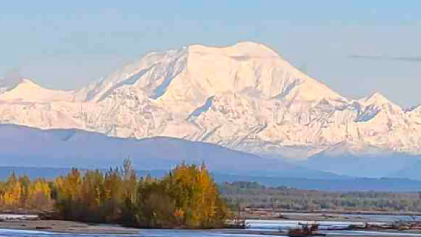
Denali National Park showcases this tectonic activity through North America's tallest mountain, rising over 18,000 feet from its base in just 10 horizontal miles. This extreme relief demonstrates the powerful forces continuing to shape Alaska's landscape through ongoing plate collision.
Katmai National Park preserves evidence of explosive volcanic activity, including the 1912 Novarupta eruption that created the Valley of Ten Thousand Smokes. This event, one of the largest volcanic eruptions in recorded history, deposited ash across thousands of square miles.
Wrangell-St. Elias National Park encompasses active volcanic systems including Mount Wrangell, demonstrating ongoing tectonic processes. The park's massive scale—larger than Switzerland—provides comprehensive examples of mountain building, glaciation, and volcanic activity.
| Park | Primary Geological Features | Age Range | Notable Examples | Active Processes |
|---|---|---|---|---|
| Denali | Granite intrusions, sedimentary rocks | 400M-60M years | Mount Denali, Alaska Range | Mountain building, erosion |
| Katmai | Volcanic ash, lava flows | Recent-40M years | Valley of 10,000 Smokes | Active volcanism |
| Glacier Bay | Glacial carved fjords, sediments | Recent-500M years | Tidewater glaciers | Glacial retreat, isostatic rebound |
| Kenai Fjords | Coastal mountains, ice fields | Recent-200M years | Harding Icefield | Glacial carving, sea level change |
| Wrangell-St. Elias | Volcanic peaks, glaciated mountains | Recent-300M years | Mount St. Elias | Volcanism, glaciation |
What do glaciers teach us about climate and geology?
Alaska's national parks contain thousands of glaciers providing real-time education about climate change impacts and glacial processes. These ice masses serve as climate indicators, responding rapidly to temperature and precipitation changes while carving dramatic landscapes.
Glacier Bay National Park offers the world's best example of rapid glacial retreat and ecosystem succession. The bay was completely filled with ice just 250 years ago, with current retreat rates providing visible evidence of climate change impacts on Arctic and subarctic systems.
Kenai Fjords National Park's Harding Icefield covers over 300 square miles, feeding numerous outlet glaciers including the accessible Exit Glacier. Documented retreat patterns show dramatic changes over just decades, making climate change impacts tangible for visitors.
Glacial processes create the dramatic fjords, valleys, and mountain landscapes throughout Alaska's parks. Understanding glacial mechanics helps visitors appreciate the massive forces that carved these landscapes while recognizing ongoing changes affecting global climate systems.
How do Alaska's parks demonstrate ecosystem processes
How do Alaska's parks demonstrate ecosystem processes—this short overview sets the stage for what follows. It explains the purpose of the section, the core ideas readers should keep in mind, and why the topic matters in practice. Expect a concise framing of key terms, scope, and assumptions so readers understand the context quickly. The next subsections expand with specifics, examples, and guidance. Use this overview to align expectations and locate the details most relevant to your needs. This summary emphasizes clarity and relevance for decision‑making and planning. This summary emphasizes clarity and relevance for decision‑making and planning. This summary emphasizes
What makes Alaska's park ecosystems globally significant?
Alaska's national parks protect some of Earth's last intact large-scale ecosystems, supporting complete predator-prey relationships and natural population dynamics impossible in fragmented landscapes. These systems provide baseline data for understanding natural ecosystem function.
Denali National Park maintains all original large mammal species in natural densities, including apex predators like wolves and grizzly bears. This completeness allows visitors to observe natural selection, predation, and population cycles in unmodified environments.
The parks' vast scales enable natural migration patterns, seasonal movements, and habitat requirements that support healthy wildlife populations. These ecosystem processes demonstrate the space requirements necessary for maintaining biodiversity.
Food web relationships become visible through wildlife viewing, from primary producers like sedges and berries to top predators like bears and wolves. Understanding these connections illustrates ecosystem interdependence and the impacts of environmental changes.
How do Alaska's parks show climate change impacts?
Alaska experiences climate change at twice the global average, making park ecosystems early indicators of global environmental shifts. Documented changes include glacier retreat, permafrost thaw, vegetation shifts, and altered wildlife patterns.
Permafrost thaw in Arctic parks affects vegetation, hydrology, and wildlife habitat while releasing stored carbon. These changes demonstrate feedback loops accelerating climate change while affecting local ecosystems and global climate systems.
Species range shifts become visible as southern species move north while Arctic-adapted species face habitat loss. Parks document these changes through monitoring programs providing crucial data for climate change research.
Phenological changes affect timing of wildlife migrations, plant flowering, and insect emergence. These mismatches between interdependent species illustrate complex climate change impacts beyond simple temperature increases.
What cultural history do Alaska's parks preserve
What cultural history do Alaska's parks preserve—this short overview sets the stage for what follows. It explains the purpose of the section, the core ideas readers should keep in mind, and why the topic matters in practice. Expect a concise framing of key terms, scope, and assumptions so readers understand the context quickly. The next subsections expand with specifics, examples, and guidance. Use this overview to align expectations and locate the details most relevant to your needs. This summary emphasizes clarity and relevance for decision‑making and planning. This summary emphasizes clarity and relevance for decision‑making and planning. This summary emphasizes
How do indigenous cultures connect to park landscapes?
Alaska Native peoples have inhabited park lands for thousands of years, developing sophisticated knowledge systems and sustainable practices adapted to challenging northern environments. Their cultural connections to these landscapes provide essential perspectives on human-environment relationships.
Traditional ecological knowledge offers insights into wildlife behavior, seasonal patterns, and environmental changes spanning generations. This knowledge complements scientific research while providing cultural context for understanding park ecosystems.
Subsistence practices demonstrate sustainable resource use adapted to northern environments, including seasonal harvesting, food preservation, and resource management techniques developed over millennia.
Cultural sites throughout parks preserve evidence of long-term human occupation including seasonal camps, hunting areas, and traditional gathering locations. These sites demonstrate the deep cultural connections between indigenous peoples and protected landscapes.
What colonial and territorial history shaped these areas?
Russian exploration and fur trading introduced European influences while dramatically impacting indigenous populations through disease and cultural disruption. Park areas show evidence of this period through place names, trading posts, and cultural mixing.
American territorial period brought gold rushes, mining, and early tourism that shaped park establishment and access. Historic sites preserve evidence of mining, transportation, and early conservation efforts that led to park designation.
World War II military installations and activities affected several park areas, with remaining infrastructure demonstrating Alaska's strategic importance and environmental impacts of military operations.
Early conservation efforts by scientists, explorers, and advocates led to park establishment while demonstrating evolving understanding of wilderness values and conservation needs.
How do parks contribute to scientific research
How do parks contribute to scientific research—this short overview sets the stage for what follows. It explains the purpose of the section, the core ideas readers should keep in mind, and why the topic matters in practice. Expect a concise framing of key terms, scope, and assumptions so readers understand the context quickly. The next subsections expand with specifics, examples, and guidance. Use this overview to align expectations and locate the details most relevant to your needs. This summary emphasizes clarity and relevance for decision‑making and planning. This summary emphasizes clarity and relevance for decision‑making and planning. This summary emphasizes
What ongoing research occurs in Alaska's parks?
Climate change research utilizes park ecosystems as natural laboratories for studying warming impacts on Arctic and subarctic systems. Long-term monitoring programs track changes in glaciers, permafrost, vegetation, and wildlife populations.
Wildlife research includes population studies, migration tracking, and behavioral studies of species ranging from bears and wolves to marine mammals and birds. These studies inform management decisions while contributing to global wildlife conservation efforts.
Ecological research examines ecosystem processes, species interactions, and environmental changes in intact natural systems. This research provides baseline data for understanding natural ecosystem function and human impacts.
Geological research investigates tectonic processes, volcanic activity, and landscape evolution while contributing to understanding of natural hazards and geological processes affecting human populations.
How can visitors participate in citizen science?
Citizen science programs allow visitors to contribute meaningful data while gaining deeper understanding of park ecosystems and research methods. Programs include wildlife observations, phenology monitoring, and species surveys.
Photography and documentation projects help track environmental changes while creating educational resources. Visitors can contribute images showing glacier retreat, vegetation changes, and wildlife behavior for research databases.
Data collection training provides visitors with skills for contributing to ongoing research while understanding scientific methods and the importance of long-term monitoring for environmental protection.
Volunteer programs connect interested visitors with research projects requiring field assistance, data processing, or specialized skills while supporting critical conservation research.
What conservation challenges face Alaska's parks
What conservation challenges face Alaska's parks—this short overview sets the stage for what follows. It explains the purpose of the section, the core ideas readers should keep in mind, and why the topic matters in practice. Expect a concise framing of key terms, scope, and assumptions so readers understand the context quickly. The next subsections expand with specifics, examples, and guidance. Use this overview to align expectations and locate the details most relevant to your needs. This summary emphasizes clarity and relevance for decision‑making and planning. This summary emphasizes clarity and relevance for decision‑making and planning. This summary emphasizes clarity
How does climate change threaten park ecosystems?
Rapid warming affects park ecosystems through glacier retreat, permafrost thaw, and vegetation shifts that alter habitat availability for wildlife species adapted to current conditions. These changes occur faster than many species can adapt.
Ocean acidification affects marine park ecosystems as increased atmospheric CO2 changes ocean chemistry, impacting shellfish, marine food webs, and the wildlife that depends on marine resources.
Extreme weather events become more frequent and intense, affecting wildlife populations, visitor safety, and park infrastructure. These events test ecosystem resilience and adaptation capabilities.
Species range shifts bring new competitive pressures and disease vectors while potentially leading to local extinctions of cold-adapted species unable to find suitable habitat.
What other threats require ongoing management attention?
Human-wildlife conflicts increase as visitor numbers grow and development expands near park boundaries. Proper food storage, waste management, and visitor education help minimize dangerous encounters while protecting wildlife behavior.
Invasive species prevention requires constant vigilance as global travel increases introduction risks. Early detection and rapid response programs help prevent ecosystem damage from non-native plants, animals, and pathogens.
Air and water pollution from distant sources affect park ecosystems through atmospheric transport and hydrologic connections. Parks monitor pollution impacts while advocating for broader environmental protection.
Resource extraction pressures on park boundaries and gateway communities create challenges for maintaining ecosystem integrity and wildlife habitat connectivity across larger landscapes.
Alaska's national parks provide unparalleled educational opportunities about natural processes, cultural history, and conservation challenges facing our planet. Understanding these complex relationships transforms park visits into meaningful learning experiences that inspire environmental stewardship.
For comprehensive park information, see our Alaska National Parks Complete Guide. For location details, visit our Alaska National Parks Location Guide. For weather planning, consult our Alaska National Parks Weather Guide.
At 20,310 feet, Denali rises more than three vertical miles from base to summit, shaping weather, wildlife corridors, and flightseeing routes across the Alaska Range.
On the Denali Discovery Adventure, we explore the Alaska Range by rail, raft, and helicopter with veteran local guides.
Explore our small‑group itineraries: Alaska Adventure Tours. We'll help you choose the right dates and routes for your interests.
Ready to plan your trip? Speak with our team of Alaska‑based guides. Contact our Alaska specialists to start planning.