Find Your Park: Alaska's National Parks Locations & Access
Download Travel Details >PRIVATE & SMALL GROUP TOURS TO THE WORLD'S BEST DESTINATIONS
Three Amazing Alaskan Vacations To Choose From!
Summer Trips To Alaska
Grizzlies & Glaciers Tour
Winter Trips To Alaska
See The Northern Lights
Summer Trips To Alaska
Denali Discovery Adventure

Alaska National Parks Location Guide
We live and guide in Alaska, and our purpose is simple: craft small‑group, carbon‑neutral journeys that protect the places and wildlife we love. With community partners and Alaska Native guides, we turn travel into a force for conservation—so every encounter enriches local livelihoods and the land.
Prefer to go deeper, not bigger? Our groups stay intentionally small, our routes are chosen for minimal impact, and—we're proud to say—our trips are verifiably carbon‑neutral from start to finish.
How do you navigate Alaska's vast national park system?
Alaska's 8 national parks span 663,300 square miles from temperate rainforests to Arctic tundra, each requiring different access strategies and preparation levels. Understanding park locations and access methods enables strategic planning while managing time, costs, and logistical challenges effectively.
Geographic distribution across Alaska's regions creates distinct access patterns, from road-accessible parks near population centers to remote wilderness areas requiring charter flights and extensive preparation. Strategic location selection maximizes diverse experiences while managing practical travel constraints.
| Park | Region | Nearest Airport | Road Access | Primary Access Method | Distance from Anchorage |
|---|---|---|---|---|---|
| Kenai Fjords | Southcentral | Seward (SWD) | Yes | Car/Bus to Seward | 125 miles |
| Denali | Interior | Fairbanks (FAI) | Yes | Car/Train/Bus | 240 miles |
| Wrangell-St. Elias | Southcentral | Gulkana (GKN) | Limited | Car to McCarthy | 300 miles |
| Glacier Bay | Southeast | Gustavus (GST) | No | Flight/Ferry to Gustavus | N/A |
| Katmai | Southwest | King Salmon (AKN) | No | Charter Flight | N/A |
| Lake Clark | Southwest | Anchorage (ANC) | No | Charter Flight | N/A |
| Gates of the Arctic | Arctic | Fairbanks (FAI) | No | Charter Flight | N/A |
| Kobuk Valley | Arctic | Kotzebue (OTZ) | No | Charter Flight | N/A |
Which Alaska national parks offer road access
How do you navigate Alaska's vast national park system?—this short overview sets the stage for what follows. It explains the purpose of the section, the core ideas readers should keep in mind, and why the topic matters in practice. Expect a concise framing of key terms, scope, and assumptions so readers understand the context quickly. The next subsections expand with specifics, examples, and guidance. Use this overview to align expectations and locate the details most relevant to your needs. This summary emphasizes clarity and relevance for decision‑making and planning. This summary emphasizes clarity and relevance for decision‑making and planning. This
How do you reach Denali National Park by road?
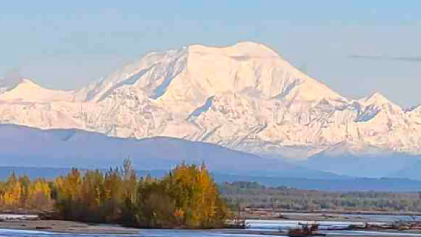
Denali National Park provides the most comprehensive road access among Alaska's parks, located at mile 237 on the Parks Highway connecting Anchorage and Fairbanks. The park entrance offers visitor services, accommodations, and the beginning of the 92-mile Denali Park Road.
Private vehicle access extends only to mile 15 at Savage River, with shuttle buses providing transportation deeper into the park. This system protects wildlife while ensuring visitor access to prime viewing areas and Wonder Lake.
The Alaska Railroad serves Denali with daily summer service from both Anchorage and Fairbanks, offering scenic transportation and eliminating driving concerns. Train service includes luxury dome cars and regular seating options with different price points.
Multiple bus services connect major Alaska cities to Denali, providing budget-friendly transportation options during peak season. These services coordinate with accommodations and tour operators for seamless park experiences.
What makes Kenai Fjords the most accessible marine park?
Kenai Fjords National Park provides Alaska's most accessible marine wilderness through the gateway city of Seward, connected to Anchorage via the scenic Seward Highway. The 125-mile drive showcases dramatic mountain and coastal scenery while accessing world-class marine experiences.
Exit Glacier offers the park's only road-accessible attraction, providing hiking trails and glacier viewing opportunities within a short drive from Seward. This land-based park access complements marine experiences available from Seward's harbor.
The Alaska Railroad's Coastal Classic train connects Anchorage to Seward daily during summer, eliminating driving concerns while providing spectacular scenic transportation along Turnagain Arm and through mountain passes.
Seward's comprehensive visitor services include accommodations, restaurants, tour operators, and the Alaska SeaLife Center, making it an ideal base for exploring Kenai Fjords National Park without extensive wilderness preparation.
How do you access Wrangell-St. Elias National Park?
Wrangell-St. Elias National Park offers limited road access via two rough gravel roads leading to Kennecott and Nabesna, providing glimpses of America's largest national park. The McCarthy Road requires high-clearance vehicles and careful driving due to primitive conditions.
Kennecott, the park's primary destination, features historic copper mining ruins and serves as a base for glacier viewing, hiking, and flightseeing. The five-hour drive from Anchorage on increasingly primitive roads creates an adventure in itself.
The Nabesna Road provides access to the park's northern section with hiking opportunities and scenic viewpoints, though services remain extremely limited. This area offers solitude and wilderness experiences for self-sufficient travelers.
Charter flights from Anchorage, Gulkana, or McCarthy provide alternative access to remote park areas impossible to reach by road, opening opportunities for serious wilderness adventures and mountaineering expeditions.
Which parks require flight access only
Which parks require flight access only—this short overview sets the stage for what follows. It explains the purpose of the section, the core ideas readers should keep in mind, and why the topic matters in practice. Expect a concise framing of key terms, scope, and assumptions so readers understand the context quickly. The next subsections expand with specifics, examples, and guidance. Use this overview to align expectations and locate the details most relevant to your needs. This summary emphasizes clarity and relevance for decision‑making and planning. This summary emphasizes clarity and relevance for decision‑making and planning. This summary emphasizes clarity
How do you reach Katmai National Park for bear viewing?
Katmai National Park requires floatplane access from Anchorage, King Salmon, or other regional airports, with Brooks Camp serving as the primary destination for bear viewing. Most visitors travel on day trips or stay at Brooks Lodge for multi-day experiences.
King Salmon serves as the regional hub with commercial airline service and connections to Brooks Camp via smaller aircraft. This staged approach provides the most reliable access while managing costs and logistics effectively.
Chartered flights directly from Anchorage offer flexibility and scenic routing but require careful weather planning due to challenging conditions around Katmai's volcanic landscape. These flights provide optimal access for photography and extended stays.
Brooks Camp reservations require advance planning due to limited capacity and high demand during peak bear viewing seasons. The National Park Service manages access to protect both bears and visitors while ensuring meaningful wildlife encounters.
What access options exist for Glacier Bay National Park?
Glacier Bay National Park access requires flights or ferry service to Gustavus, followed by bus transportation to park headquarters at Bartlett Cove. No roads connect Gustavus to other Alaska communities, creating complete dependence on air and marine transportation.
Commercial flights from Juneau provide the most reliable access with multiple daily flights during summer months. These scenic flights often include wildlife viewing opportunities and dramatic glacier perspectives from the air.
The Alaska Marine Highway ferry system serves Gustavus with vehicle and passenger service, though schedules require careful coordination. Ferry access allows visitors to bring vehicles for exploring the limited road system around Gustavus.
Charter flights from various Alaska cities provide flexibility and scenic routing while accessing remote areas of the park impossible to reach through commercial transportation. These flights enable wilderness camping and specialized activities.
How do you access Alaska's Arctic national parks?
Gates of the Arctic National Park requires charter flights from Fairbanks, Bettles, or Anaktuvuk Pass to access this roadless wilderness. The park lacks any infrastructure, demanding complete self-sufficiency and extensive wilderness experience.
Bettles serves as the primary staging area with licensed air taxi services and basic accommodations for travelers preparing for Gates of the Arctic expeditions. This small community provides the last services before entering pure wilderness.
Kobuk Valley National Park access requires flights to Kotzebue followed by charter flights or river transportation to park areas. The park's sand dunes and caribou migration routes create unique Arctic experiences for adventurous travelers.
Arctic park access demands extensive preparation including emergency communication devices, arctic camping equipment, and detailed itinerary planning with reliable local guides and air taxi services.
How do you plan multi-park Alaska itineraries
How do you plan multi-park Alaska itineraries—this short overview sets the stage for what follows. It explains the purpose of the section, the core ideas readers should keep in mind, and why the topic matters in practice. Expect a concise framing of key terms, scope, and assumptions so readers understand the context quickly. The next subsections expand with specifics, examples, and guidance. Use this overview to align expectations and locate the details most relevant to your needs. This summary emphasizes clarity and relevance for decision‑making and planning. This summary emphasizes clarity and relevance for decision‑making and planning. This summary emphasizes
Which parks combine well for efficient travel?
Southcentral Alaska parks including Kenai Fjords, Lake Clark, and portions of Wrangell-St. Elias provide logical combinations with Anchorage as a base. These parks offer diverse experiences from marine wildlife to mountain wilderness within reasonable travel times.
Interior Alaska itineraries can combine Denali National Park with Arctic parks like Gates of the Arctic, using Fairbanks as a staging area. This combination provides accessible wilderness experiences alongside extreme adventure opportunities.
Southeast Alaska travelers often combine Glacier Bay with other Inside Passage destinations, though transportation logistics require careful coordination with ferry schedules and weather conditions.
Southwest Alaska parks including Katmai and Lake Clark can combine for bear viewing and remote wilderness experiences, though charter flight costs and weather dependencies create logistical challenges requiring flexible scheduling.
What transportation considerations affect park combinations?
Weather dependencies significantly impact flight-dependent park access, requiring flexible itineraries and backup plans. Alaska's variable weather can delay or cancel flights, particularly to remote destinations with challenging landing conditions.
Charter flight costs increase dramatically for multi-park itineraries requiring separate flights to different regions. Combining parks within similar geographic areas reduces transportation costs while maximizing diverse experiences.
Seasonal access variations affect park combinations, with some destinations operating only during specific timeframes. Understanding seasonal limitations enables realistic itinerary planning while avoiding disappointment from closed services.
Equipment and supply considerations become complex for multi-park trips requiring different gear for marine, mountain, and Arctic environments. Strategic packing and equipment rental options help manage logistics and weight restrictions.
What should you know about Alaska park gateway communities
What should you know about Alaska park gateway communities—this short overview sets the stage for what follows. It explains the purpose of the section, the core ideas readers should keep in mind, and why the topic matters in practice. Expect a concise framing of key terms, scope, and assumptions so readers understand the context quickly. The next subsections expand with specifics, examples, and guidance. Use this overview to align expectations and locate the details most relevant to your needs. This summary emphasizes clarity and relevance for decision‑making and planning. This summary emphasizes clarity and relevance for decision‑making and planning. This
How do gateway communities support park access?
Anchorage serves as Alaska's primary gateway with comprehensive visitor services, equipment rentals, and transportation connections to multiple parks. The city provides urban amenities between wilderness experiences while offering flight connections to remote parks.
Seward offers complete services for Kenai Fjords access including accommodations, restaurants, tour operators, and marine services. The city's compact size and harbor focus create convenient access to park experiences without extensive travel.
Fairbanks provides Interior Alaska access with connections to Denali and Arctic parks through road and air transportation. The city offers frontier character and northern lights viewing opportunities complementing park experiences.
Smaller gateway communities like Gustavus, King Salmon, and McCarthy provide authentic Alaska experiences with limited but essential services for accessing remote parks. These communities often depend on tourism while maintaining traditional lifestyles.
What services should you expect in gateway communities?
Accommodation availability varies dramatically between major gateways and remote communities, from luxury hotels to basic lodging. Understanding accommodation options and booking requirements prevents disappointment during peak seasons.
Equipment and supply availability becomes crucial for remote park access, with major gateways offering comprehensive outfitters while small communities providing limited options. Strategic planning ensures appropriate gear availability.
Transportation services including rental cars, charter flights, and local tours provide essential connections between gateways and parks. Understanding local transportation options enables effective itinerary planning and cost management.
Emergency services and communication capabilities vary significantly between communities, affecting safety planning for park visits. Understanding local capabilities helps develop appropriate emergency response plans.
Alaska's national parks offer unparalleled wilderness experiences accessible through diverse transportation methods and gateway communities. Understanding location-specific access requirements enables strategic planning while managing costs and logistics effectively.
For comprehensive park information, see our Alaska National Parks Complete Guide. For detailed park information, consult our Alaska National Parks Complete Information. For tour options, visit our Alaska National Park Tours Guide.
On the Denali Discovery Adventure, we explore the Alaska Range by rail, raft, and helicopter with veteran local guides.
Explore our small‑group itineraries: Alaska Adventure Tours. We'll help you choose the right dates and routes for your interests.
Ready to plan your trip? Speak with our team of Alaska‑based guides. Contact our Alaska specialists to start planning.