Weather the Parks: Alaska National Parks Climate Guide
Download Travel Details >PRIVATE & SMALL GROUP TOURS TO THE WORLD'S BEST DESTINATIONS
Three Amazing Alaskan Vacations To Choose From!
Summer Trips To Alaska
Grizzlies & Glaciers Tour
Winter Trips To Alaska
See The Northern Lights
Summer Trips To Alaska
Denali Discovery Adventure

Alaska National Parks Weather Guide
We live and guide in Alaska, and our purpose is simple: craft small‑group, carbon‑neutral journeys that protect the places and wildlife we love. With community partners and Alaska Native guides, we turn travel into a force for conservation—so every encounter enriches local livelihoods and the land.
Prefer to go deeper, not bigger? Our groups stay intentionally small, our routes are chosen for minimal impact, and—we're proud to say—our trips are verifiably carbon‑neutral from start to finish.
Why does weather planning determine Alaska park success?
Alaska's national parks experience some of North America's most variable and extreme weather conditions, from Arctic blizzards to temperate rainforest deluges. Understanding regional weather patterns, seasonal variations, and safety considerations enables strategic planning while preventing dangerous situations and ensuring meaningful experiences.
Weather directly affects wildlife behavior, activity availability, transportation reliability, and visitor safety throughout Alaska's park system. Successful park visits require flexible planning, appropriate equipment, and realistic expectations based on seasonal conditions and regional climate patterns.
What weather patterns define Alaska's park regions
Why does weather planning determine Alaska park success?—this short overview sets the stage for what follows. It explains the purpose of the section, the core ideas readers should keep in mind, and why the topic matters in practice. Expect a concise framing of key terms, scope, and assumptions so readers understand the context quickly. The next subsections expand with specifics, examples, and guidance. Use this overview to align expectations and locate the details most relevant to your needs. This summary emphasizes clarity and relevance for decision‑making and planning. This summary emphasizes clarity and relevance for decision‑making and planning. This summary
How do coastal parks experience maritime weather?
Kenai Fjords and Glacier Bay experience maritime climates with moderate temperatures, high precipitation, and frequent overcast conditions. Summer temperatures range from 45-65°F while winter lows rarely drop below 20°F, creating Alaska's mildest park climates.
Annual precipitation reaches 60-150 inches in coastal areas with rain occurring frequently throughout the year. Overcast skies dominate with clear conditions occurring less than 40% of summer days, affecting mountain visibility and outdoor activities.
Wind conditions become significant factors with sudden storms developing over Gulf of Alaska waters. Marine weather affects boat operations, flight schedules, and outdoor safety requiring constant monitoring and flexible planning.
Fog formation from warm, moist air over cold water surfaces reduces visibility while creating atmospheric conditions that enhance photography but limit scenic viewing. Fog patterns vary daily requiring patient timing for optimal experiences.
| Park | Climate Type | Summer Temps (°F) | Annual Precipitation | Clear Days (%) | Major Challenges |
|---|---|---|---|---|---|
| Kenai Fjords | Maritime | 45-65 | 60-150 inches | 35% | Rain, fog, wind |
| Denali | Continental | 50-75 | 15-20 inches | 30% | Mountain weather, wind |
| Glacier Bay | Maritime | 50-65 | 70-200 inches | 40% | Rain, overcast |
| Katmai | Maritime-Continental | 45-70 | 20-60 inches | 35% | Wind, rain, storms |
| Gates of the Arctic | Arctic | 40-70 | 6-15 inches | 45% | Extreme cold, wind |
What continental weather affects interior parks?
Denali experiences continental climate with greater temperature extremes, lower precipitation, and more variable conditions than coastal areas. Summer temperatures range from 30-85°F with rapid daily fluctuations common during transitional seasons.
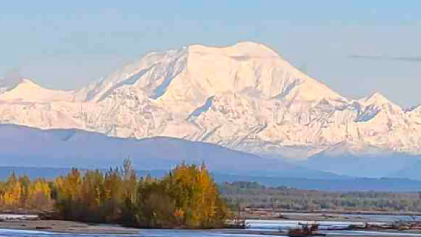
At 20,310 feet, Denali creates its own weather systems with mountain-generated clouds affecting visibility 70% of the time. Clear mountain views require specific atmospheric conditions making successful sightings particularly rewarding.
Precipitation averages only 15-20 inches annually though summer thunderstorms can produce intense rainfall and lightning hazards. Snow remains possible year-round at higher elevations affecting hiking and mountaineering activities.
Wind conditions intensify with elevation and exposure, creating dangerous wind chill factors even during summer months. Mountaineering and high-elevation activities require specialized preparation for extreme wind exposure.
How does Arctic climate affect northern parks?
Gates of the Arctic and Kobuk Valley experience true Arctic climate with extreme seasonal variations, minimal precipitation, and harsh wind conditions. Summer temperatures may reach 70°F while winter conditions drop to -50°F or below.
Permafrost affects drainage patterns creating boggy conditions during summer thaw while winter freezing enables travel on solid surfaces. These seasonal changes dramatically affect access and travel conditions within parks.
Extreme daylight variations from 24-hour sun to 24-hour darkness affect human circadian rhythms and wildlife behavior patterns. Summer midnight sun enables extended activities while winter darkness limits outdoor pursuits.
Arctic storms develop rapidly with whiteout conditions and extreme wind chill creating life-threatening situations within minutes. Emergency preparation becomes essential for any Arctic park visitation.
How do seasonal patterns affect park planning
How do seasonal patterns affect park planning—this short overview sets the stage for what follows. It explains the purpose of the section, the core ideas readers should keep in mind, and why the topic matters in practice. Expect a concise framing of key terms, scope, and assumptions so readers understand the context quickly. The next subsections expand with specifics, examples, and guidance. Use this overview to align expectations and locate the details most relevant to your needs. This summary emphasizes clarity and relevance for decision‑making and planning. This summary emphasizes clarity and relevance for decision‑making and planning. This summary emphasizes
What characterizes summer conditions across Alaska parks?
Summer (June-August) provides optimal conditions with warmest temperatures, maximum daylight hours, and most stable weather patterns. However, precipitation remains common with rain gear essential for comfortable outdoor activities.
Wildlife activity peaks during summer months with feeding, breeding, and migration behaviors creating excellent viewing opportunities. Bear fishing, whale feeding, and bird nesting provide action photography and observation subjects.
Transportation operates at full capacity with all flight services, boats, and ground transportation available. Summer provides most reliable access to remote areas while supporting comprehensive visitor services.
Daylight extends up to 24 hours during peak summer providing flexibility for activities but potentially disrupting sleep patterns. Blackout curtains and eye masks become essential equipment for comfortable rest.
How do shoulder seasons create unique conditions?
Spring conditions (May-early June) feature increasing daylight, warming temperatures, and active wildlife but remain unpredictable with late snowstorms possible. Many services operate reduced schedules during early season.
Fall conditions (September-October) provide spectacular colors, active wildlife preparation for winter, and increasing aurora potential as darkness returns. Weather becomes increasingly variable with early winter storms possible.
Shoulder season advantages include reduced crowds, lower costs, and unique seasonal phenomena. However, limited services and weather uncertainties require greater flexibility and self-sufficiency.
Transportation schedules reduce significantly during shoulder seasons affecting access to remote parks dependent on scheduled flights or ferry services. Planning becomes more complex requiring backup options.
What safety considerations apply to Alaska park weather
What safety considerations apply to Alaska park weather—this short overview sets the stage for what follows. It explains the purpose of the section, the core ideas readers should keep in mind, and why the topic matters in practice. Expect a concise framing of key terms, scope, and assumptions so readers understand the context quickly. The next subsections expand with specifics, examples, and guidance. Use this overview to align expectations and locate the details most relevant to your needs. This summary emphasizes clarity and relevance for decision‑making and planning. This summary emphasizes clarity and relevance for decision‑making and planning. This summary
How do you prepare for hypothermia risks?
Hypothermia remains possible even during summer months due to wet conditions, wind exposure, and rapid temperature changes. Synthetic or wool clothing maintains insulation when wet while cotton materials become dangerous.
Layering systems enable rapid adjustment to changing conditions while preventing overheating during exertion followed by rapid cooling during rest periods. Base layers, insulating layers, and waterproof shells provide comprehensive protection.
Recognition of hypothermia symptoms including confusion, loss of coordination, and behavioral changes enables early intervention before life-threatening progression. Group members should monitor each other for symptom development.
Emergency shelter and heat sources become essential for backcountry travel where rescue may require extended time periods. Space blankets, emergency bivouacs, and fire-starting materials provide critical backup options.
What weather monitoring strategies ensure safety?
Weather forecasts require multiple sources due to Alaska's variable conditions and limited weather stations. Marine forecasts, aviation weather, and park-specific conditions provide comprehensive information.
Real-time weather monitoring through satellite communicators enables access to updated forecasts during extended backcountry trips. These devices provide both weather information and emergency communication capabilities.
Local knowledge from park rangers, guides, and long-term residents provides insights into weather patterns and hazard recognition impossible to obtain from standard forecasts. Seek local expertise before venturing into unfamiliar areas.
Contingency planning includes backup activities, alternate routes, and emergency procedures for severe weather encounters. Flexible itineraries accommodate weather delays while maintaining core objectives.
How does weather affect specific park activities
How does weather affect specific park activities—this short overview sets the stage for what follows. It explains the purpose of the section, the core ideas readers should keep in mind, and why the topic matters in practice. Expect a concise framing of key terms, scope, and assumptions so readers understand the context quickly. The next subsections expand with specifics, examples, and guidance. Use this overview to align expectations and locate the details most relevant to your needs. This summary emphasizes clarity and relevance for decision‑making and planning. This summary emphasizes clarity and relevance for decision‑making and planning. This summary emphasizes
What weather conditions optimize wildlife viewing?
Overcast conditions often provide optimal wildlife viewing as animals remain active throughout the day while bright sunshine causes many species to seek shade during midday hours. Light rain doesn't typically affect wildlife behavior significantly.
Wind conditions affect marine wildlife viewing with calm waters enabling better boat operations and wildlife observation. Strong winds create challenging viewing conditions and may cancel boat-based activities entirely.
Barometric pressure changes influence animal behavior with many species becoming more active before storm systems. Understanding these patterns helps predict optimal viewing opportunities.
Temperature affects wildlife activity levels with moderate conditions encouraging feeding and movement while extreme heat or cold causes animals to conserve energy through reduced activity.
How does weather impact hiking and backcountry travel?
Trail conditions vary dramatically based on recent precipitation with muddy, slippery conditions common after rainfall. Waterproof footwear with aggressive tread patterns provides necessary traction and comfort.
Stream crossings become dangerous during and after heavy precipitation as water levels rise rapidly in Alaska's steep terrain. Understanding drainage patterns helps assess crossing safety and timing.
Visibility affects navigation safety with fog and low clouds creating disorientation risks in trackless wilderness areas. GPS devices and compass navigation skills become essential during poor visibility conditions.
Wind exposure increases with elevation and terrain exposure creating dangerous conditions on ridges and open areas. Understanding topographic wind patterns helps route planning and timing decisions.
What weather preparation strategies ensure comfort
What weather preparation strategies ensure comfort—this short overview sets the stage for what follows. It explains the purpose of the section, the core ideas readers should keep in mind, and why the topic matters in practice. Expect a concise framing of key terms, scope, and assumptions so readers understand the context quickly. The next subsections expand with specifics, examples, and guidance. Use this overview to align expectations and locate the details most relevant to your needs. This summary emphasizes clarity and relevance for decision‑making and planning. This summary emphasizes clarity and relevance for decision‑making and planning. This summary emphasizes clarity
How do you select appropriate clothing systems?
Base layers in merino wool or synthetic materials provide insulation and moisture management while avoiding cotton materials that lose insulation when wet. Multiple base layer weights accommodate different activity levels and conditions.
Insulating layers including fleece, down, or synthetic fill provide warmth while enabling easy adjustment for changing conditions and activity levels. Packable options reduce weight and bulk for extended travel.
Shell layers must provide complete waterproof and windproof protection while maintaining breathability for active pursuits. Quality rain gear represents the most important investment for Alaska park visits.
Extremity protection including waterproof gloves, warm hats, and waterproof socks prevents heat loss from high-circulation areas. These items often determine overall comfort during challenging conditions.
What equipment protects against Alaska weather?
Shelter systems must handle strong winds and heavy precipitation while providing adequate ventilation to prevent condensation buildup. Four-season tents become necessary for extended backcountry camping.
Sleep systems rated for conditions 10-20 degrees below expected minimums provide safety margins for unexpected temperature drops. Sleeping bag ratings assume ideal conditions rarely encountered in field situations.
Waterproof storage protects essential items including extra clothing, food, and emergency supplies from moisture penetration. Dry bags and waterproof stuff sacks provide reliable protection systems.
Emergency equipment including space blankets, fire-starting materials, and emergency shelters provide backup options when primary systems fail or conditions exceed expectations.
Alaska's national parks present challenging weather conditions requiring comprehensive preparation and flexible planning. Understanding regional patterns and seasonal variations enables successful park visits while maintaining safety in some of North America's most extreme environments.
For comprehensive park planning, see our Alaska National Parks Complete Guide. For location-specific information, visit our Alaska National Parks Location Guide. For educational content, consult our Alaska National Parks Education Guide.
On the Denali Discovery Adventure, we explore the Alaska Range by rail, raft, and helicopter with veteran local guides.
Explore our small‑group itineraries: Alaska Adventure Tours. We'll help you choose the right dates and routes for your interests.
Ready to plan your trip? Speak with our team of Alaska‑based guides. Contact our Alaska specialists to start planning.