
Navigate Alaska: Regions & Getting Around Like a Local
Download Travel Details >PRIVATE & SMALL GROUP TOURS TO THE WORLD'S BEST DESTINATIONS
Three Amazing Alaskan Vacations To Choose From!
Summer Trips To Alaska
Grizzlies & Glaciers Tour
Winter Trips To Alaska
See The Northern Lights
Summer Trips To Alaska
Denali Discovery Adventure

Alaska Regions & Transportation Guide
We live and guide in Alaska, and our purpose is simple: craft small‑group, carbon‑neutral journeys that protect the places and wildlife we love. With community partners and Alaska Native guides, we turn travel into a force for conservation—so every encounter enriches local livelihoods and the land.
Prefer to go deeper, not bigger? Our groups stay intentionally small, our routes are chosen for minimal impact, and—we're proud to say—our trips are verifiably carbon‑neutral from start to finish.
Why does understanding Alaska's regional diversity transform your travel experience?
Alaska's 663,300 square miles encompass five distinct regions, each offering unique landscapes, climates, cultures, and transportation networks. Understanding regional characteristics helps travelers make informed decisions about destinations, activities, and logistics while navigating Alaska's limited transportation infrastructure.
Regional diversity means a single Alaska trip cannot comprehensively cover the entire state. Strategic regional selection based on interests, time constraints, and transportation logistics ensures meaningful experiences while managing practical challenges of Alaska travel.
What defines Southeast Alaska's Inside Passage region
Why does understanding Alaska's regional diversity transform your travel experience?—this short overview sets the stage for what follows. It explains the purpose of the section, the core ideas readers should keep in mind, and why the topic matters in practice. Expect a concise framing of key terms, scope, and assumptions so readers understand the context quickly. The next subsections expand with specifics, examples, and guidance. Use this overview to align expectations and locate the details most relevant to your needs. This summary emphasizes clarity and relevance for decision‑making and planning. This summary emphasizes clarity and relevance for decision‑making and planning.
How does the archipelago landscape shape Southeast experiences?
Southeast Alaska consists of hundreds of forested islands connected by protected waterways known as the Inside Passage. This temperate rainforest ecosystem receives substantial rainfall supporting lush forests, dramatic fjords, and abundant wildlife.
The region's maritime climate creates mild temperatures year-round but frequent precipitation requiring appropriate rain gear and flexible outdoor activity planning. Summer temperatures rarely exceed 70°F while winter lows seldom drop below 20°F.
Tidewater glaciers descend from massive ice fields to the sea, creating spectacular calving displays and supporting unique marine ecosystems. These glaciers provide accessible viewing opportunities and dramatic photographic backdrops.
What transportation options serve Southeast Alaska?
The Alaska Marine Highway ferry system connects Southeast communities with vehicle and passenger service throughout the region. These ferries serve as essential transportation links for residents while providing scenic travel experiences for visitors.
Commercial aviation serves major Southeast communities with jet service to Juneau, Ketchikan, and Sitka, while smaller communities rely on floatplanes and small aircraft for connections to the outside world.
No roads connect Southeast Alaska to other regions, making air and marine transportation the only options for reaching this area. The lack of road connections preserves the region's pristine character while requiring careful transportation planning.
How does Southcentral Alaska serve as the state's adventure hub
How does Southcentral Alaska serve as the state's adventure hub—this short overview sets the stage for what follows. It explains the purpose of the section, the core ideas readers should keep in mind, and why the topic matters in practice. Expect a concise framing of key terms, scope, and assumptions so readers understand the context quickly. The next subsections expand with specifics, examples, and guidance. Use this overview to align expectations and locate the details most relevant to your needs. This summary emphasizes clarity and relevance for decision‑making and planning. This summary emphasizes clarity and relevance for decision‑making and planning.
What makes the Kenai Peninsula Alaska's playground?
The Kenai Peninsula extends south from Anchorage into the Gulf of Alaska, providing diverse ecosystems from coastal fjords to interior mountains. This region offers Alaska's most accessible wilderness experiences with excellent road access and comprehensive visitor services.
Kenai Fjords National Park showcases tidewater glaciers, marine wildlife, and dramatic coastal scenery accessible from Seward. The park combines boat-based glacier viewing with land-based hiking opportunities at Exit Glacier.
World-class fishing opportunities abound throughout the peninsula, from Kenai River king salmon to Cook Inlet halibut. The region supports Alaska's most developed sport fishing industry with guides, lodges, and processing services.
How does Anchorage anchor Southcentral Alaska?
Anchorage serves as Alaska's largest city and primary transportation hub, containing nearly half the state's population and most comprehensive visitor services. The city combines urban sophistication with wilderness accessibility unique among American cities.
Ted Stevens Anchorage International Airport provides the primary gateway for Alaska visitors, with domestic and international connections serving travelers from around the world. The airport's location makes it a convenient hub for accessing all Alaska regions.
The Alaska Railroad connects Anchorage to Seward, Whittier, and Fairbanks, providing scenic transportation and access to major attractions including Denali National Park. The railroad offers both regular service and luxury tourist trains during summer months.
Road access from Anchorage extends throughout Southcentral Alaska via the Seward Highway, Glenn Highway, and Parks Highway, providing independent travelers with flexibility and access to remote areas and scenic viewpoints.
Why does Interior Alaska represent the "real" Alaska experience
Why does Interior Alaska represent the "real" Alaska experience—this short overview sets the stage for what follows. It explains the purpose of the section, the core ideas readers should keep in mind, and why the topic matters in practice. Expect a concise framing of key terms, scope, and assumptions so readers understand the context quickly. The next subsections expand with specifics, examples, and guidance. Use this overview to align expectations and locate the details most relevant to your needs. This summary emphasizes clarity and relevance for decision‑making and planning. This summary emphasizes clarity and relevance for decision‑making and planning. This
How does Fairbanks anchor Interior Alaska?
Fairbanks serves as Interior Alaska's largest city and transportation hub, providing access to Arctic destinations, Denali National Park, and authentic frontier experiences. The city maintains strong connections to Alaska's gold rush heritage and contemporary resource development.
The University of Alaska Fairbanks contributes research expertise and cultural attractions while serving as a center for Arctic studies and northern engineering. The university's museums and programs provide educational opportunities about high-latitude living.
Fairbanks experiences Alaska's most extreme seasonal variations, from midnight sun summers to aurora-filled winters with temperatures reaching -60°F. These extremes create unique opportunities for experiencing Alaska's most challenging conditions.
What makes Denali National Park Interior Alaska's crown jewel?
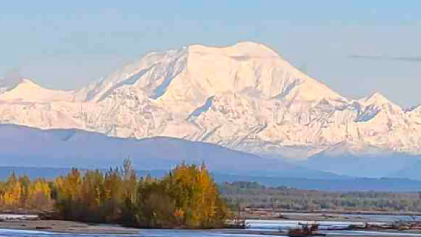
Denali National Park protects six million acres surrounding North America's tallest mountain, providing access to pristine wilderness, diverse wildlife, and spectacular mountain scenery. The park's single road limits vehicle access while preserving wilderness character.
The park's shuttle system provides wildlife viewing opportunities while minimizing environmental impact. Bus tours offer chances to see caribou, wolves, bears, and other wildlife in their natural habitat without private vehicle traffic.
Mount Denali's visibility depends on weather conditions, with clear views occurring only about 30% of the time during summer months. The mountain's massive scale creates its own weather systems affecting visibility.
How do you master Alaska's unique transportation systems
How do you master Alaska's unique transportation systems—this short overview sets the stage for what follows. It explains the purpose of the section, the core ideas readers should keep in mind, and why the topic matters in practice. Expect a concise framing of key terms, scope, and assumptions so readers understand the context quickly. The next subsections expand with specifics, examples, and guidance. Use this overview to align expectations and locate the details most relevant to your needs. This summary emphasizes clarity and relevance for decision‑making and planning. This summary emphasizes clarity and relevance for decision‑making and planning. This summary
What strategies work best for Alaska Railroad travel?
The Alaska Railroad provides scenic transportation between major destinations with both regular service and luxury tourist trains offering different experiences and price points. Advanced reservations are essential during peak season.
GoldStar Service offers dome car seating, outdoor viewing platforms, and meal service while Adventure Class provides coach seating with access to dome cars and outdoor platforms at lower cost.
Railroad schedules coordinate with cruise ship arrivals and tour operator connections, making integrated transportation planning essential for seamless Alaska experiences.
How does the Alaska Marine Highway system work?
Alaska's ferry system connects coastal communities throughout Southeast and Southcentral Alaska, providing both transportation and scenic cruising experiences. Ferries accommodate vehicles, passengers, and even RVs on many routes.
Ferry reservations require advance planning, particularly for vehicle transport during peak season. Foot passengers have more flexibility but should still book ahead for preferred sailing dates.
Ferry travel provides opportunities to observe marine wildlife, dramatic coastal scenery, and unique perspectives on Alaska's maritime communities while serving as affordable alternatives to cruise ships.
Understanding Alaska's regional diversity and transportation networks enables strategic travel planning that maximizes experiences while managing logistical challenges. Each region offers distinct rewards requiring different approaches, preparation levels, and transportation strategies.
For comprehensive regional information, see our Alaska Cities & Regions Complete Guide. For accommodation options by region, consult our Alaska Accommodations & Hotels Guide. For weather planning by region, visit our Alaska Regional Weather Guide.
Explore our small‑group itineraries: Alaska Adventure Tours. We'll help you choose the right dates and routes for your interests.
Ready to plan your trip? Speak with our team of Alaska‑based guides. Contact our Alaska specialists to start planning.