Capture Alaska's Wild Side: Safari & Photography Adventures
Download Travel Details >PRIVATE & SMALL GROUP TOURS TO THE WORLD'S BEST DESTINATIONS
Three Amazing Alaskan Vacations To Choose From!
Summer Trips To Alaska
Grizzlies & Glaciers Tour
Winter Trips To Alaska
See The Northern Lights
Summer Trips To Alaska
Denali Discovery Adventure

Alaska Wildlife Safari & Photography Guide
We live and guide in Alaska, and our purpose is simple: craft small‑group, carbon‑neutral journeys that protect the places and wildlife we love. With community partners and Alaska Native guides, we turn travel into a force for conservation—so every encounter enriches local livelihoods and the land.
Prefer to go deeper, not bigger? Our groups stay intentionally small, our routes are chosen for minimal impact, and—we're proud to say—our trips are verifiably carbon‑neutral from start to finish.
Why is Alaska the ultimate wildlife photography destination?
Alaska offers unparalleled opportunities for wildlife photography, combining accessible wildlife with stunning backdrops of mountains, glaciers, and pristine wilderness. The state's diverse ecosystems support megafauna found few places on Earth—from massive brown bears to breaching humpback whales—all within dramatic landscapes that elevate wildlife photography to art.
Alaska's extended summer daylight provides exceptional lighting conditions for wildlife photography, while the state's conservation ethic ensures wildlife populations remain healthy and approachable for ethical photography encounters.
Why choose a carbon‑neutral, small‑group alaska wildlife safari & photography guide?
Before we talk logistics, here's what sets our approach apart—and why it matters for wildlife, communities, and you.
How does our conservation model shape your day in the field?
We cap group size, time wildlife encounters, and follow guide‑led protocols—quiet voices, controlled distances, and the animal always sets the terms. This isn't passive sightseeing; it's an active commitment to ethical viewing that keeps bears, whales, and birds acting naturally.
What local partnerships make this experience authentic?
From flightseeing pilots born in the shadow of the Alaska Range to Alaska Native hosts who share place‑based knowledge, our trips are co‑created with local experts. Your dollars stay local and support stewardship projects we help fund each season.
- According to the National Park Service, about 2,200 brown bears inhabit Katmai—one of the highest concentrations on Earth.
- On the coast of Lake Clark National Park, seasonal sedge meadows and salmon streams create predictable feeding areas for coastal brown bears—ideal for low‑impact viewing with proper spacing and behavior.
Which Alaska locations offer the best wildlife photography opportunities
Why is Alaska the ultimate wildlife photography destination?—this short overview sets the stage for what follows. It explains the purpose of the section, the core ideas readers should keep in mind, and why the topic matters in practice. Expect a concise framing of key terms, scope, and assumptions so readers understand the context quickly. The next subsections expand with specifics, examples, and guidance. Use this overview to align expectations and locate the details most relevant to your needs. This summary emphasizes clarity and relevance for decision‑making and planning. This summary emphasizes clarity and relevance for decision‑making and planning. This summary
Katmai National Park: Bear Photography Paradise
Katmai provides the world's premier brown bear photography opportunities at Brooks Falls and other salmon streams. The park's elevated viewing platforms offer stable shooting positions while maintaining safe distances from feeding bears.
The combination of dramatic waterfalls, feeding bears, and leaping salmon creates iconic Alaska imagery. Multiple bears often fish simultaneously, providing opportunities for behavioral shots and interaction photography.
Glacier Bay National Park: Marine Wildlife Against Glacial Backdrops
Glacier Bay combines spectacular marine wildlife with dramatic tidewater glacier scenery. Humpback whales feeding against glacier backgrounds create some of Alaska's most stunning wildlife imagery.
The park's protected waters provide calm conditions for boat-based photography while the dramatic landscapes offer constantly changing backdrops for wildlife compositions.
Denali National Park: Wilderness Safari Photography
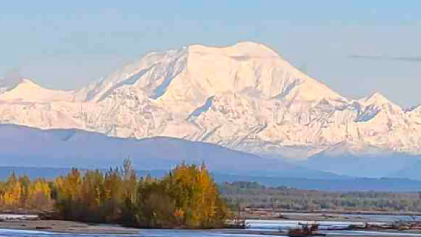
Denali offers classic Alaska wilderness photography combining wildlife with North America's tallest mountain. The park's single road provides access to diverse habitats supporting caribou, wolves, bears, and numerous bird species.
The park's shuttle system limits vehicle traffic, creating more naturalistic wildlife encounters while providing access to remote areas inaccessible elsewhere.
What essential equipment do you need for Alaska wildlife photography?
What essential equipment do you need for Alaska wildlife photography?—this short overview sets the stage for what follows. It explains the purpose of the section, the core ideas readers should keep in mind, and why the topic matters in practice. Expect a concise framing of key terms, scope, and assumptions so readers understand the context quickly. The next subsections expand with specifics, examples, and guidance. Use this overview to align expectations and locate the details most relevant to your needs. This summary emphasizes clarity and relevance for decision‑making and planning. This summary emphasizes clarity and relevance for decision‑making and planning.
Which camera systems work best for Alaska conditions?
Professional and advanced amateur camera systems with fast autofocus perform best for Alaska wildlife photography. Weather sealing becomes critical given Alaska's unpredictable conditions and frequent precipitation.
Mirrorless systems offer advantages in size and weight for extended field work, while DSLR systems may provide longer battery life in cold conditions. Both systems require backup batteries as performance degrades significantly in cold temperatures.
What lens focal lengths are essential for ethical wildlife photography?
Telephoto lenses ranging from 400mm to 600mm allow impressive wildlife photography while maintaining ethical distances from animals. These focal lengths permit frame-filling compositions without wildlife disturbance.
Image stabilization becomes critical at long focal lengths, especially for handheld photography from moving boats or unstable platforms. Fast aperture lenses (f/4 or faster) allow shooting in Alaska's variable lighting conditions.
How do you protect equipment in Alaska's challenging conditions?
Waterproof protection becomes essential given Alaska's frequent precipitation and marine environments. Camera rain covers, waterproof cases, and lens hoods protect equipment while maintaining shooting functionality.
Condensation poses a significant threat when moving between cold outdoor conditions and warm indoor environments. Gradual temperature transitions and moisture-absorbing packets help prevent condensation damage.
When is the best time—and where will we go—for alaska wildlife safari & photography guide?
Seasons rule Alaska. Our guide team builds itineraries around wildlife behavior and weather windows, then adapts in real time for safety and the best viewing.
Spring Photography Season (May-June): Emerging Life
Spring offers unique photography opportunities as bears emerge from hibernation and migratory species return to breeding grounds. Baby animals and family dynamics create compelling photographic subjects.
Spring lighting provides excellent conditions for wildlife photography with extended golden hours and dramatic storm lighting. Snow patches create striking contrasts against emerging vegetation.
Summer Peak Season (July-August): Maximum Activity
Summer represents peak wildlife photography season with maximum animal activity during extended daylight hours. Salmon runs attract bear concentrations while marine mammals feed actively in coastal waters.
The midnight sun phenomenon provides nearly 24-hour photography opportunities in northern Alaska, while southern regions enjoy extended twilight conditions ideal for wildlife photography.
Fall Photography (September-October): Dramatic Colors and Behaviors
Fall combines spectacular foliage colors with intensive wildlife feeding behaviors as animals prepare for winter. Bears enter hyperphagia, creating excellent opportunities for behavioral photography.
Fall weather often provides dramatic skies and atmospheric conditions that enhance wildlife compositions. The changing seasons create dynamic backdrops for wildlife subjects.
What will a typical day look like?
Early starts, flexible plans. We brief on safety and ethics, travel with minimal trace, and linger where behavior is natural—whether that's bears grazing sedge, whales bubble‑net feeding, or eagles riding katabatic winds.
Photography-focused days begin before sunrise to capture peak wildlife activity during optimal lighting conditions. We position groups at locations with the best lighting and wildlife activity potential.
What should you pack for comfort and safety?
- Layering system (base, insulating, waterproof shell)
- Sturdy, waterproof footwear
- Reusable water bottle and small daypack
- Binoculars and a telephoto lens for ethical distances
- Respectful curiosity—our most important tool
- Professional camera equipment with backup systems
- Waterproof equipment protection and cleaning supplies
Our Glaciers & Grizzlies Adventure includes guided time at Brooks Falls in Katmai, famed for its salmon‑feeding brown bears.
What photography techniques maximize Alaska wildlife success
When is the best time—and where will we go—for alaska wildlife safari & photography guide?—this short overview sets the stage for what follows. It explains the purpose of the section, the core ideas readers should keep in mind, and why the topic matters in practice. Expect a concise framing of key terms, scope, and assumptions so readers understand the context quickly. The next subsections expand with specifics, examples, and guidance. Use this overview to align expectations and locate the details most relevant to your needs. This summary emphasizes clarity and relevance for decision‑making and planning. This summary emphasizes clarity and
How do you capture sharp images of moving wildlife?
Fast shutter speeds (1/1000s or faster) freeze wildlife movement while continuous autofocus tracks moving subjects. Back-button focus allows precise control over focus timing and subject tracking.
Understanding animal behavior helps photographers anticipate movements and pre-focus on likely action areas. Burst modes capture peak moments during brief behavioral displays.
What composition techniques work best for wildlife photography?
Environmental portraits showing animals in their habitat context create more compelling images than simple wildlife portraits. Alaska's dramatic landscapes provide exceptional opportunities for environmental wildlife photography.
Leading lines, natural framing, and rule of thirds principles apply to wildlife photography but must be balanced against ethical distance requirements and animal behavior considerations.
How do you handle Alaska's challenging lighting conditions?
Alaska's extreme latitude creates unique lighting challenges including long shadows, high contrast, and unusual color temperatures. Exposure compensation and careful metering become critical for proper exposures.
Overcast conditions common in Alaska provide excellent diffused lighting for wildlife photography, reducing harsh shadows while maintaining detail in both highlights and shadows.
How do we keep wildlife viewing ethical—and unforgettable?
Our code is simple: protect the animal's choices, protect the habitat, protect your fellow travelers. Here's how that plays out on the ground (and water).
golden rules we follow near wildlife?
- Time & distance: We use binoculars and long lenses so animals never need to react to us.
- Silence & spacing: We move slowly, speak softly, and give each group room.
- Leave no trace: We pack out everything, including memorable photos and new respect.
Why does ethical distance actually improve photography?
Maintaining proper distances from wildlife creates more natural animal behavior, resulting in better photographs. Animals exhibiting stress behaviors or reacting to human presence create less compelling images than relaxed, naturally behaving subjects.
Telephoto lenses compress backgrounds and create pleasing bokeh effects that isolate subjects from busy backgrounds. This compression effect often produces more artistic compositions than close-up wide-angle shots.
How do weather and tides affect the plan?
Alaska writes the script. If winds rise in the fjords or cloud ceilings drop in the Range, we pivot to safer coves, forest trails, or cultural experiences with our local hosts. Flexibility keeps the experience—and ecosystems—intact.
Weather changes create photography opportunities as animals adjust behaviors to conditions. Storm clearings often provide dramatic lighting and atmospheric effects that enhance wildlife compositions.
What post-processing techniques enhance Alaska wildlife images
How do we keep wildlife viewing ethical—and unforgettable?—this short overview sets the stage for what follows. It explains the purpose of the section, the core ideas readers should keep in mind, and why the topic matters in practice. Expect a concise framing of key terms, scope, and assumptions so readers understand the context quickly. The next subsections expand with specifics, examples, and guidance. Use this overview to align expectations and locate the details most relevant to your needs. This summary emphasizes clarity and relevance for decision‑making and planning. This summary emphasizes clarity and relevance for decision‑making and planning. This summary
How do you handle Alaska's unique lighting in post-processing?
Alaska's extreme latitude creates unusual color temperatures and lighting conditions requiring specific post-processing approaches. Custom white balance settings help neutralize color casts while preserving the natural atmosphere of Alaska locations.
Graduated filters and luminosity masks help balance extreme contrast between bright skies and darker foregrounds common in Alaska landscape-wildlife combinations.
What workflow considerations work best for wildlife photography?
Shooting in RAW format provides maximum flexibility for exposure and color corrections essential in Alaska's challenging lighting conditions. High-capacity memory cards and backup storage become critical given the volume of images typical in wildlife photography.
Field organization and image tagging help manage large volumes of wildlife images while maintaining ability to locate specific behavioral moments or species encounters.
How do you prepare for Alaska wildlife safari adventures
How do you prepare for Alaska wildlife safari adventures—this short overview sets the stage for what follows. It explains the purpose of the section, the core ideas readers should keep in mind, and why the topic matters in practice. Expect a concise framing of key terms, scope, and assumptions so readers understand the context quickly. The next subsections expand with specifics, examples, and guidance. Use this overview to align expectations and locate the details most relevant to your needs. This summary emphasizes clarity and relevance for decision‑making and planning. This summary emphasizes clarity and relevance for decision‑making and planning. This
What physical conditioning helps maximize photography opportunities?
Wildlife photography often requires extended periods carrying heavy equipment over uneven terrain. Cardiovascular fitness and strength training help photographers maintain stamina during long shooting days.
Practicing with full camera gear helps photographers develop efficient carrying systems and shooting techniques before arriving in Alaska's challenging conditions.
How can you develop wildlife behavior knowledge before your trip?
Studying animal behavior patterns helps photographers anticipate photo opportunities and recognize behavioral cues that precede dramatic moments. Understanding feeding times, social interactions, and territorial behaviors improves photography success.
Reviewing work by professional Alaska wildlife photographers provides insights into successful techniques and compositions specific to Alaska species and conditions.
What backup and safety equipment should you bring?
Redundant camera systems prevent equipment failures from ending photography opportunities. Alaska's remote locations make equipment replacement impossible, making backup gear essential.
Communication devices and emergency supplies become critical when pursuing wildlife photography in Alaska's remote areas. Weather can change rapidly, requiring self-sufficiency and emergency preparedness.
Which Alaska wildlife photography opportunities are truly unique
Which Alaska wildlife photography opportunities are truly unique—this short overview sets the stage for what follows. It explains the purpose of the section, the core ideas readers should keep in mind, and why the topic matters in practice. Expect a concise framing of key terms, scope, and assumptions so readers understand the context quickly. The next subsections expand with specifics, examples, and guidance. Use this overview to align expectations and locate the details most relevant to your needs. This summary emphasizes clarity and relevance for decision‑making and planning. This summary emphasizes clarity and relevance for decision‑making and planning. This summary
What makes Alaska bear photography special?
Alaska offers the world's only opportunities to photograph brown bears fishing at waterfalls with multiple bears visible simultaneously. The combination of dramatic water features and concentrated bear activity creates images impossible elsewhere.
Mother bears with cubs provide compelling family dynamic photography opportunities while adult bears demonstrate impressive fishing techniques unique to Alaska locations.
How do Alaska's marine wildlife photography opportunities compare globally?
Alaska's pristine waters and dramatic coastal scenery create unique opportunities for whale photography against glacial backgrounds. Bubble-net feeding behaviors occur reliably in Alaska waters but rarely elsewhere.
The combination of multiple whale species, seabirds, and dramatic landscapes in single compositions creates photography opportunities found nowhere else on Earth.
What bird photography opportunities are Alaska-specific?
The Chilkat River eagle gathering represents the world's largest concentration of bald eagles, creating photography opportunities impossible elsewhere. Thousands of eagles in riverside trees create unique composition possibilities.
Alaska's seabird colonies offer spectacular photography opportunities with millions of birds concentrated at traditional rookery sites against dramatic coastal backdrops.
Explore our small‑group itineraries: Alaska Adventure Tours. We'll help you choose the right dates and routes for your interests.
Ready to plan your trip? Speak with our team of Alaska‑based guides. Contact our Alaska specialists to start planning.