Join the Adventure: Alaska's Best Wildlife Tours & Experiences
Download Travel Details >PRIVATE & SMALL GROUP TOURS TO THE WORLD'S BEST DESTINATIONS
Three Amazing Alaskan Vacations To Choose From!
Summer Trips To Alaska
Grizzlies & Glaciers Tour
Winter Trips To Alaska
See The Northern Lights
Summer Trips To Alaska
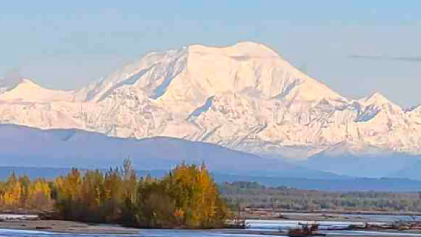
Denali Discovery Adventure

Alaska Wildlife Tours & Experiences
We live and guide in Alaska, and our purpose is simple: craft small‑group, carbon‑neutral journeys that protect the places and wildlife we love. With community partners and Alaska Native guides, we turn travel into a force for conservation—so every encounter enriches local livelihoods and the land.
Prefer to go deeper, not bigger? Our groups stay intentionally small, our routes are chosen for minimal impact, and—we're proud to say—our trips are verifiably carbon‑neutral from start to finish.
How do you choose the right Alaska wildlife tour for your dreams?
Alaska wildlife tours range from half-day excursions to multi-week expeditions, each offering different approaches to wildlife encounters. Understanding tour types, operator philosophies, and experience levels helps match your interests with optimal wildlife viewing opportunities while ensuring ethical practices and safety standards.
The right tour operator can transform a wildlife viewing trip into a life-changing conservation experience, while poor choices may result in disappointing encounters that fail to deliver Alaska's wildlife magic.
Why choose a carbon‑neutral, small‑group alaska wildlife tours & experiences?
Before we talk logistics, here's what sets our approach apart—and why it matters for wildlife, communities, and you.
How does our conservation model shape your day in the field?
We cap group size, time wildlife encounters, and follow guide‑led protocols—quiet voices, controlled distances, and the animal always sets the terms. This isn't passive sightseeing; it's an active commitment to ethical viewing that keeps bears, whales, and birds acting naturally.
What local partnerships make this experience authentic?
From flightseeing pilots born in the shadow of the Alaska Range to Alaska Native hosts who share place‑based knowledge, our trips are co‑created with local experts. Your dollars stay local and support stewardship projects we help fund each season.
- According to the National Park Service, about 2,200 brown bears inhabit Katmai—one of the highest concentrations on Earth.
- On the coast of Lake Clark National Park, seasonal sedge meadows and salmon streams create predictable feeding areas for coastal brown bears—ideal for low‑impact viewing with proper spacing and behavior.
What types of Alaska wildlife tours match different travel styles
How do you choose the right Alaska wildlife tour for your dreams?—this short overview sets the stage for what follows. It explains the purpose of the section, the core ideas readers should keep in mind, and why the topic matters in practice. Expect a concise framing of key terms, scope, and assumptions so readers understand the context quickly. The next subsections expand with specifics, examples, and guidance. Use this overview to align expectations and locate the details most relevant to your needs. This summary emphasizes clarity and relevance for decision‑making and planning. This summary emphasizes clarity and relevance for decision‑making
Day Tours: How do you maximize single-day wildlife encounters?
Day tours from Anchorage, Seward, or other Alaska cities provide accessible wildlife viewing without overnight commitments. Kenai Fjords day trips consistently deliver marine wildlife encounters including whales, sea otters, and seabirds within comfortable timeframes for most travelers.
Day tours work best for travelers with limited time, physical constraints, or those sampling Alaska wildlife experiences before committing to longer adventures. Success depends on weather conditions and seasonal wildlife activity patterns.
Multi-Day Lodge Experiences: What makes remote lodges special?
Remote wilderness lodges provide immersive wildlife experiences with professional guides, comfortable accommodations, and access to pristine locations inaccessible to day visitors. Katmai's Brooks Lodge offers the classic Alaska bear viewing experience with world-class amenities.
Lodge experiences typically include meals, guides, and specialized equipment while maintaining small group sizes for optimal wildlife viewing. The higher cost reflects logistics, exclusivity, and comprehensive service levels.
Expedition Cruises: How do they combine comfort with wilderness access?
Small expedition ships access remote coastlines and marine ecosystems while providing comfortable accommodations and expert naturalist guides. These cruises combine wildlife viewing with cultural experiences and dramatic landscape encounters.
Expedition cruises work well for travelers seeking comprehensive Alaska experiences without the physical demands of camping or rough accommodations. Weather flexibility allows expedition cruises to adapt to wildlife opportunities and conditions for optimal viewing experiences.
Adventure Camping Tours: Who benefits from wilderness camping experiences?
Backcountry camping tours provide the most immersive Alaska wildlife experiences for physically capable travelers seeking authentic wilderness encounters. These tours access remote locations impossible for day visitors while maintaining minimal environmental impact.
Camping experiences require appropriate gear, physical fitness, and flexibility regarding comfort levels. The rewards include pristine wildlife encounters, stunning night skies, and deep connections with Alaska's wilderness environments.
Which wildlife tour operators offer the most ethical and authentic experiences
Which wildlife tour operators offer the most ethical and authentic experiences—this short overview sets the stage for what follows. It explains the purpose of the section, the core ideas readers should keep in mind, and why the topic matters in practice. Expect a concise framing of key terms, scope, and assumptions so readers understand the context quickly. The next subsections expand with specifics, examples, and guidance. Use this overview to align expectations and locate the details most relevant to your needs. This summary emphasizes clarity and relevance for decision‑making and planning. This summary emphasizes clarity and relevance for decision‑making and
What questions should you ask potential tour operators?
Group size limits indicate operator priorities, with smaller groups providing better wildlife viewing experiences and reduced environmental impact. Operators maintaining groups under 12 participants typically deliver superior experiences compared to large tour operations.
Guide qualifications and local knowledge directly impact experience quality. Alaska Native guides and long-term Alaska residents offer cultural perspectives and wildlife expertise unavailable from seasonal guides or those unfamiliar with local conditions.
How do you identify operators with genuine conservation commitments?
Conservation partnerships with local organizations, research institutions, or Alaska Native corporations indicate genuine environmental commitments beyond marketing claims. Operators supporting habitat protection or wildlife research demonstrate authentic conservation engagement.
Carbon offset programs, waste reduction practices, and wildlife viewing protocols reveal operator environmental consciousness. Companies implementing comprehensive sustainability practices typically maintain higher ethical standards across all operations.
What safety standards should Alaska wildlife tour operators maintain?
Professional certifications, emergency communication equipment, and comprehensive safety protocols distinguish experienced operators from those cutting corners on safety investments. Alaska's remote conditions require specialized equipment and training for emergency situations.
Weather monitoring capabilities and backup plan flexibility indicate operators capable of adapting to Alaska's challenging conditions while maintaining both safety and wildlife viewing opportunities.
When is the best time—and where will we go—for alaska wildlife tours & experiences?
Seasons rule Alaska. Our guide team builds itineraries around wildlife behavior and weather windows, then adapts in real time for safety and the best viewing.
How do different seasons affect tour availability and experiences?
Peak summer months (June-August) offer the widest selection of tour options with most reliable weather conditions. However, shoulder seasons may provide better wildlife viewing opportunities with fewer tourists and more natural animal behaviors.
Spring and fall tours often deliver exceptional wildlife experiences for travelers willing to accept weather variability and limited service availability in exchange for more intimate wildlife encounters.
What will a typical day look like?
Early starts, flexible plans. We brief on safety and ethics, travel with minimal trace, and linger where behavior is natural—whether that's bears grazing sedge, whales bubble‑net feeding, or eagles riding katabatic winds.
Professional tour days begin with comprehensive briefings covering safety protocols, wildlife viewing ethics, and expected conditions. Experienced guides maintain flexible schedules allowing extended time with active wildlife while ensuring participant safety and comfort.
What should you pack for comfort and safety?
- Layering system (base, insulating, waterproof shell)
- Sturdy, waterproof footwear
- Reusable water bottle and small daypack
- Binoculars and a telephoto lens for ethical distances
- Respectful curiosity—our most important tool
Our Glaciers & Grizzlies Adventure includes guided time at Brooks Falls in Katmai, famed for its salmon‑feeding brown bears.
What should you expect regarding costs and value for Alaska wildlife tours
When is the best time—and where will we go—for alaska wildlife tours & experiences?—this short overview sets the stage for what follows. It explains the purpose of the section, the core ideas readers should keep in mind, and why the topic matters in practice. Expect a concise framing of key terms, scope, and assumptions so readers understand the context quickly. The next subsections expand with specifics, examples, and guidance. Use this overview to align expectations and locate the details most relevant to your needs. This summary emphasizes clarity and relevance for decision‑making and planning. This summary emphasizes clarity and relevance
How do tour prices reflect experience quality and exclusivity?
Premium wildlife tours typically reflect higher costs for smaller groups, experienced guides, remote access, and comprehensive services. Brooks Falls bear viewing commands premium pricing due to logistics, exclusivity, and unparalleled wildlife viewing opportunities.
Budget tours may compromise on group sizes, guide experience, or wildlife viewing locations, potentially resulting in disappointing experiences that fail to justify even lower costs.
What hidden costs should you anticipate for Alaska wildlife tours?
Transportation to Alaska, park entrance fees, and specialized equipment rentals often represent additional costs beyond base tour prices. Remote locations may require charter flights adding significant expenses to published tour costs.
Gratuities for guides, meals not included in tour packages, and weather-related delays can impact total trip costs. Comprehensive budgeting prevents unpleasant surprises during Alaska wildlife adventures.
Which experiences offer the best value for investment?
Multi-day experiences typically provide better per-day value while allowing deeper wildlife encounters impossible during rushed day tours. Extended time in wildlife-rich areas increases chances of exceptional encounters justifying higher initial investments.
Shoulder season tours often provide excellent value with reduced costs, smaller crowds, and potentially superior wildlife viewing opportunities for flexible travelers.
How do we keep wildlife viewing ethical—and unforgettable?
Our code is simple: protect the animal's choices, protect the habitat, protect your fellow travelers. Here's how that plays out on the ground (and water).
What are the golden rules we follow near wildlife?
- Time & distance: We use binoculars and long lenses so animals never need to react to us.
- Silence & spacing: We move slowly, speak softly, and give each group room.
- Leave no trace: We pack out everything, including memorable photos and new respect.
How do weather and tides affect the plan?
Alaska writes the script. If winds rise in the fjords or cloud ceilings drop in the Range, we pivot to safer coves, forest trails, or cultural experiences with our local hosts. Flexibility keeps the experience—and ecosystems—intact.
What preparation steps maximize your Alaska wildlife tour success
How do we keep wildlife viewing ethical—and unforgettable?—this short overview sets the stage for what follows. It explains the purpose of the section, the core ideas readers should keep in mind, and why the topic matters in practice. Expect a concise framing of key terms, scope, and assumptions so readers understand the context quickly. The next subsections expand with specifics, examples, and guidance. Use this overview to align expectations and locate the details most relevant to your needs. This summary emphasizes clarity and relevance for decision‑making and planning. This summary emphasizes clarity and relevance for decision‑making and planning. This summary
How should you physically prepare for Alaska wildlife tours?
Cardiovascular fitness helps participants maintain energy during extended wildlife viewing days that may involve hiking, boat travel, or standing for extended periods. Physical preparation enhances enjoyment while reducing fatigue that can diminish wildlife viewing experiences.
Practicing with binoculars and camera equipment before arrival helps participants capture wildlife moments without fumbling with unfamiliar gear during critical viewing opportunities.
What wildlife knowledge preparation enhances tour experiences?
Basic understanding of Alaska wildlife behavior, identification, and seasonal patterns helps participants recognize and appreciate wildlife encounters. Preparation transforms simple sightings into meaningful connections with Alaska's unique ecosystems.
Reviewing wildlife photography techniques and equipment use maximizes opportunities for capturing memorable images while maintaining ethical viewing distances and practices.
For comprehensive wildlife preparation, reference our detailed guides: Alaska Bear Viewing Ultimate Guide, Alaska Marine Wildlife Viewing Guide, and Alaska Bird Watching & Eagles Guide.
Explore our small‑group itineraries: Alaska Adventure Tours. We'll help you choose the right dates and routes for your interests.
Ready to plan your trip? Speak with our team of Alaska‑based guides. Contact our Alaska specialists to start planning.