Everything You Need to Know About Alaska Weather Before Your Trip
Download Travel Details >PRIVATE & SMALL GROUP TOURS TO THE WORLD'S BEST DESTINATIONS
Three Amazing Alaskan Vacations To Choose From!
Summer Trips To Alaska
Grizzlies & Glaciers Tour
Winter Trips To Alaska
See The Northern Lights
Summer Trips To Alaska
Denali Discovery Adventure

Anchorage Weather by Season: What to Expect Before Your Alaska Trip
After guiding countless travelers through Alaska's dramatic seasons, we've learned that understanding Anchorage's weather patterns can make the difference between a good trip and an extraordinary one. As Alaska's largest city and primary gateway, Anchorage experiences the full range of subarctic conditions that define the Last Frontier. Smart travelers who align their activities with seasonal weather patterns consistently have more rewarding experiences—and safer ones too.
Located at 61 degrees north latitude between the Chugach Mountains and Cook Inlet, Anchorage enjoys a relatively moderated climate compared to Alaska's interior. However, "moderated" remains relative in the subarctic, where weather can shift dramatically within hours and seasonal variations create entirely different landscapes. Our experience has taught us that successful Alaska adventures begin with realistic weather expectations and proper preparation.
Winter in Anchorage (December–February): Cold, Snow, and Aurora Possibilities
Winter transforms Anchorage into the Alaska that lives in most travelers' imaginations—a snow-covered wilderness where aurora dances across star-filled skies. Average temperatures hover between 5°F and 22°F (-15°C to -6°C), with January typically delivering the coldest conditions. We've guided visitors through -20°F nights and watched them emerge with life-changing experiences, but only when they come properly prepared.
What Makes Winter Ideal for Aurora Viewing?
The season's extended darkness provides prime aurora viewing opportunities, but success requires understanding the optimal conditions. December's brief 5.5 hours of daylight expand to nearly 10 hours by February, creating those crucial dark skies needed for northern lights visibility. Clear, cold nights between 10 PM and 2 AM offer the most spectacular displays, and our carefully selected viewing locations away from city lights maximize your chances of witnessing this natural phenomenon.
For aurora enthusiasts, we recommend staying at least four nights to account for cloudy weather. The 75 inches of seasonal snowfall creates ideal conditions for dog sledding and cross-country skiing, activities that connect travelers to authentic Alaska traditions while waiting for optimal aurora conditions.
Understanding Anchorage's Dramatic Weather Changes
What many travelers don't anticipate are Anchorage's dramatic Chinook wind events. These Pacific weather systems can raise temperatures 40-50 degrees in hours, creating temporary thaws that refreeze into treacherous ice. We always advise winter visitors to pack traction devices and maintain flexible itineraries during these weather transitions.
Spring in Anchorage (March–May): Transition Season and Wildlife Awakening
Spring represents one of Alaska's best-kept secrets for experienced travelers willing to embrace transitional weather. March temperatures range from 12°F to 33°F (-11°C to 1°C), warming to 39°F to 58°F (4°C to 14°C) by May. The rapidly increasing daylight—from 12 hours in March to nearly 19 hours by late May—creates extended opportunities for outdoor activities.
Why Do Local Guides Recommend Late May Visits?
The notorious "breakup" period in April creates muddy, challenging conditions that give spring a poor reputation among casual visitors. However, travelers who time their visits for late May often discover uncrowded attractions, competitive accommodation rates, and incredible wildlife viewing as animals emerge from winter dormancy.
Spring delivers exceptional birding opportunities as millions of migratory species return to Alaska. Bears begin emerging from dens, creating early-season viewing opportunities for patient visitors. Our preferred spring timing targets late May, when weather stabilizes but summer crowds haven't yet arrived.
Essential Spring Packing Considerations
Smart spring travelers pack for rapid weather changes. We've experienced late-season blizzards in May followed by 60-degree sunshine within 24 hours. Layered clothing systems and waterproof footwear remain essential throughout this dynamic season.
Summer in Anchorage (June–August): Long Days, Warmest Weather, Peak Tourism
Summer justifies its reputation as Alaska's prime travel season, delivering comfortable 51°F to 69°F (11°C to 21°C) temperatures perfect for hiking, fishing, and wildlife viewing. July's average highs reaching the mid-70s°F create ideal conditions for multi-day wilderness adventures and Denali tours that showcase Alaska's crown jewel.
How Does the Midnight Sun Affect Your Travel Experience?
The midnight sun phenomenon—nearly 22 hours of daylight during late June—creates surreal experiences that redefine most travelers' relationship with time. Sunset at 11:30 PM followed by sunrise before 4:00 AM allows for extended outdoor activities and photography opportunities impossible elsewhere. This extended daylight enables flexible scheduling and maximizes adventure opportunities.
Managing Summer Weather Variability
While July brings the year's highest precipitation, afternoon thunderstorms typically alternate with brilliant sunshine. Experienced Alaska travelers embrace this variability, using cloudy periods for indoor cultural activities and seizing clear weather for outdoor adventures.
Summer's popularity demands advance planning for accommodations and tours. However, the season's stable weather creates optimal conditions for glacier tours, wildlife viewing, and wilderness experiences that form the foundation of transformative Alaska adventures.
Fall in Anchorage (September–November): Colors, Cooler Temps, Shoulder Season Advantages
Fall represents perhaps the most underrated time to experience Anchorage, offering spectacular autumn colors without summer's crowds. September's pleasant 45°F to 60°F (7°C to 16°C) temperatures provide comfortable conditions for hiking and sightseeing, while November's 15°F to 32°F (-9°C to 0°C) range signals winter's approach.
When Should You Visit for Optimal Fall Colors?
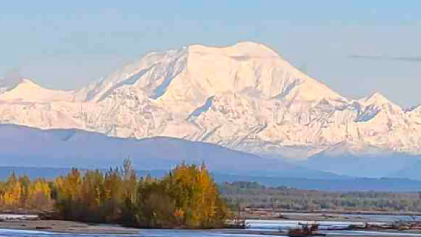
The season's rapidly decreasing daylight—from 15 hours in September to 6.5 hours by late November—creates dramatic lighting conditions that photographers prize. Mountains surrounding Anchorage transform into brilliant displays of gold and crimson during late September, creating backdrops that rival any destination worldwide.
Savvy travelers who visit during September enjoy summer-like weather with significantly reduced accommodation costs and uncrowded attractions. Wildlife remains active, trails stay accessible, and tour operators continue full schedules while offering more personalized experiences.
Balancing Weather Risks and Rewards
October brings the first snow and potential for early aurora viewing, combining autumn colors with winter's first dramatic displays. We've guided travelers through October visits that delivered both brilliant fall foliage and memorable northern lights experiences, though weather flexibility becomes essential.
Packing Tips by Season (Layering, Footwear, Rain Gear)
Our years of guiding Alaska adventures have taught us that successful packing focuses on versatility and quality over quantity. The layering system proves crucial in all seasons—moisture-wicking base layers, insulating mid-layers, and waterproof outer shells adapt to Alaska's variable conditions.
What Gear Failures Have We Seen in the Field?
Winter demands serious cold-weather gear: insulated boots rated for -20°F, quality down jackets, and face protection for extreme conditions. We recommend testing all gear before departure, as equipment failure in remote Alaska locations creates serious safety concerns. We've witnessed inferior boots fail at -10°F and inadequate gloves create frostbite risks during otherwise routine activities.
Adapting Your Pack for Shoulder Seasons
Spring and fall require the most versatile packing, as conditions can range from snow boots to sandals within a single day. Waterproof footwear, rain gear, and warm layers remain essential. We always advise packing for conditions one season colder than predicted.
Summer visitors often underpack for Alaska's variable conditions. Despite warm daytime temperatures, mornings and evenings can drop into the 40s. A warm fleece or wool layer prevents discomfort during extended outdoor activities or wildlife viewing sessions.
Anchorage Weather and Activity Planning (Hiking, Cruises, Aurora Viewing)
Understanding how weather impacts specific activities helps travelers maximize their Alaska experiences. Aurora viewing requires clear, dark skies—winter provides the best opportunities, but cloud cover can eliminate viewing for days. We recommend booking at least four nights for reasonable aurora chances.
How Do Weather Patterns Affect Wildlife Viewing?
Wildlife viewing varies dramatically by season and weather. Clear days offer better photography opportunities, but overcast conditions sometimes produce more active wildlife behavior. Our guides monitor weather patterns to position travelers for optimal wildlife encounters, understanding that animals often move more during stable, overcast periods.
Glacier tours operate year-round but offer entirely different experiences based on weather conditions. Summer provides accessible boat tours and hiking opportunities, while winter creates unique perspectives accessible only by snowmobile or winter transport.
Flight-dependent activities like flightseeing face weather cancellations, particularly during winter and spring. We build flexible itineraries that include weather alternatives, ensuring travelers maximize their time regardless of conditions.
Summary: Matching Your Trip Goals with the Right Season
Choosing your travel timing requires honest assessment of priorities and weather tolerance. Summer delivers the most comfortable conditions and longest activity windows but comes with premium pricing and crowded attractions. Travelers seeking classic Alaska experiences with minimal weather challenges should focus on June through August.
Which Season Delivers the Most Authentic Alaska Experience?
Winter appeals to adventurous travelers seeking authentic arctic experiences and aurora viewing opportunities. This season demands serious preparation but rewards visitors with unique activities and dramatic landscapes impossible during warmer months. The challenge becomes part of the authentic Alaska experience.
Spring and fall offer compromise solutions—spring provides increasing daylight and wildlife activity, while fall delivers stunning colors and fewer crowds. Both seasons require weather flexibility but often provide more authentic Alaska experiences than peak summer tourism.
The key to successful Alaska travel lies in aligning expectations with seasonal realities. Understanding Anchorage weather patterns allows travelers to pack appropriately, plan realistic itineraries, and embrace Alaska's dramatic seasonal variations as part of the adventure rather than obstacles to overcome.
Ready to experience Alaska's seasonal magic? Our expert guides help travelers navigate weather challenges while maximizing adventure opportunities. Explore our top things to do in Anchorage and carefully selected Anchorage accommodations to start planning your perfectly timed Alaska adventure.