Mendenhall Glacier Is Juneau's Most Famous Must See Landmark
Download Travel Details >PRIVATE & SMALL GROUP TOURS TO THE WORLD'S BEST DESTINATIONS
Three Amazing Alaskan Vacations To Choose From!
Summer Trips To Alaska
Grizzlies & Glaciers Tour
Winter Trips To Alaska
See The Northern Lights
Summer Trips To Alaska
Denali Discovery Adventure
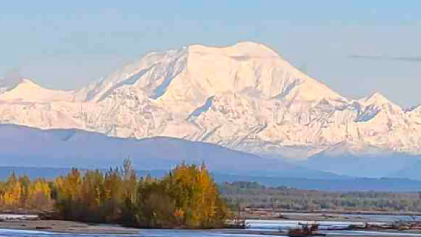

Mendenhall Glacier: Juneau's Most Famous Landmark
In our decades of guiding travelers through Southeast Alaska, no attraction has consistently inspired more awe and wonder than Mendenhall Glacier. This 13-mile-long river of ice flowing from the Juneau Icefield represents the most accessible tidewater glacier in Alaska, offering visitors the rare opportunity to witness one of nature's most powerful forces at close range while understanding the dramatic environmental changes reshaping our planet.
Named after Thomas Corwin Mendenhall, a late 19th-century physicist, this glacier has become Alaska's most photographed natural feature and a pilgrimage site for anyone seeking to comprehend the scale and beauty of ice age landscapes that once covered much of North America. We've guided thousands of visitors to Mendenhall Glacier, and the experience never loses its capacity to transform perspectives and create lasting memories.
Understanding Mendenhall Glacier's Global Significance
Mendenhall Glacier flows from the 1,500-square-mile Juneau Icefield, one of the largest ice masses in North America outside of Greenland and the Arctic. The glacier terminates in Mendenhall Lake, creating a stunning tableau of blue ice, pristine water, and surrounding temperate rainforest that photographers and nature enthusiasts rank among the world's most beautiful landscapes.
What makes Mendenhall particularly significant is its role as a visible indicator of climate change. Since we began guiding in this area, the glacier has retreated dramatically, providing visitors with tangible evidence of global environmental shifts while maintaining its spectacular beauty and accessibility for educational experiences.
Hiking Trails and Visitor Center Experiences
The Mendenhall Glacier Visitor Center serves as the primary hub for glacier exploration, offering interpretive exhibits, panoramic viewing areas, and trail access to multiple vantage points. The center's displays help visitors understand glacier formation, movement, and the ecological systems that develop around these massive ice formations, providing essential context for outdoor exploration.
We consistently recommend the Photo Point Trail for visitors with limited mobility or time constraints, as this easy half-mile walk provides stunning glacier views and excellent photography opportunities. The Nugget Falls Trail extends the experience to a magnificent waterfall cascading from the mountainside, creating one of Southeast Alaska's most photogenic combinations of ice, water, and forest.
What Are the Best Advanced Hiking Options?
For experienced hikers seeking more challenging glacier access, we regularly guide groups on the West Glacier Trail, a strenuous 6.8-mile round trip that leads to the glacier's terminus and ice caves when conditions permit. This trail requires proper preparation and equipment but rewards adventurous visitors with intimate glacier contact and perspectives impossible to achieve from standard viewpoints.
The East Glacier Loop provides moderate hiking with excellent glacier views from elevated positions, perfect for photography enthusiasts and visitors who want to experience the glacier's relationship to surrounding peaks and valleys. We recommend this trail particularly during late spring and summer months when wildflowers and wildlife activity enhance the experience.
Glacier Tours and Alternative Viewing Methods
Beyond hiking, Mendenhall Glacier offers numerous guided tour options that accommodate different physical abilities and time constraints. Helicopter tours provide aerial perspectives that reveal the glacier's connection to the massive Juneau Icefield, while boat tours on Mendenhall Lake offer water-level views of the glacier face and opportunities to witness calving events when ice chunks break away and crash into the lake.
Kayaking tours combine adventure with education, allowing paddlers to approach the glacier terminus while learning about ice formation, wildlife ecology, and the complex environmental systems that characterize Southeast Alaska. We've found these water-based tours particularly effective for understanding the glacier's scale and power.
Wildlife Around Mendenhall Glacier
The diverse ecosystems surrounding Mendenhall Glacier support remarkable wildlife populations that enhance any visit to this natural landmark. Black bears frequently fish for salmon in Steep Creek during summer months, providing exceptional wildlife viewing opportunities for properly positioned and respectful observers.
Bald eagles nest in the old-growth trees surrounding the lake, while mountain goats occasionally appear on the steep slopes flanking the glacier. We've observed porcupines, marmots, and numerous bird species in the area, making Mendenhall Glacier an excellent destination for comprehensive Southeast Alaska wildlife experiences.
When Is Wildlife Viewing Most Productive?
Based on our extensive field experience, salmon runs in July and August create the most reliable wildlife viewing opportunities, particularly for black bears and eagles congregating at Steep Creek. Early morning and evening hours typically provide the most active wildlife periods, with fewer crowds and optimal lighting for photography.
Spring visits offer opportunities to observe bears emerging from hibernation and eagles beginning nesting activities, while fall provides dramatic autumn colors and reduced visitor numbers for more intimate wildlife encounters.
Photography and Visitor Tips
Photographing Mendenhall Glacier successfully requires understanding both technical considerations and timing factors that dramatically affect image quality. We recommend visiting during overcast conditions for the most even lighting and richest ice blue colors, while sunny weather creates dramatic contrasts but challenging exposure situations.
The glacier's constant motion means conditions change rapidly, with calving events, weather shifts, and lighting variations creating unique photographic opportunities throughout each day. Patience and preparation typically reward photographers with extraordinary images that capture both the glacier's beauty and power.
What Should Visitors Know About Timing and Crowds?
Peak summer months bring significant crowds to Mendenhall Glacier, particularly when multiple cruise ships dock in Juneau simultaneously. We recommend visiting early morning or late evening hours for the most peaceful experiences and optimal photography conditions, especially during cruise season from May through September.
Shoulder season visits in late April, early May, September, and October often provide excellent glacier viewing with dramatically reduced crowds, though weather conditions require more flexible planning and appropriate gear preparation.
Access and Transportation Considerations
Mendenhall Glacier's location 12 miles from downtown Juneau requires transportation planning, with options including rental cars, tour buses, public transit, and taxi services. We frequently coordinate transportation for guests staying at downtown Juneau hotels, ensuring reliable access regardless of weather conditions or schedule constraints.
The visitor center provides ample parking, restroom facilities, and weather protection, making Mendenhall Glacier accessible for visitors with various physical abilities and comfort requirements. The site's infrastructure supports multi-hour visits while maintaining the natural character that makes the glacier experience so compelling.
Mendenhall Glacier represents far more than a tourist attraction—it serves as a window into Earth's climate history and a powerful reminder of the natural forces that continue shaping our planet. For visitors seeking to understand Alaska's character and global environmental challenges while experiencing some of the world's most spectacular scenery, Mendenhall Glacier provides an essential and transformative experience that connects personal adventure with planetary awareness.