Planning An Amazing Summer Vacation In Alaska
Download Travel Details >PRIVATE & SMALL GROUP TOURS TO THE WORLD'S BEST DESTINATIONS
Three Amazing Alaskan Vacations To Choose From!
Summer Trips To Alaska
Grizzlies & Glaciers Tour
Winter Trips To Alaska
See The Northern Lights
Summer Trips To Alaska
Denali Discovery Adventure

When Is The Best Time To Visit Alaska In Summer?
 An Alaska summer vacation is one of the best ways to experience the Last Frontier at its most active. Long daylight hours, open park access, glacier viewing routes, hiking trails, fishing, kayaking, bear viewing, whale watching, and diverse wildlife all come together during the short but unforgettable travel season. If you’re planning an Alaska trip, the main travel window runs from early June through mid-September, with June, July, and August offering the warmest weather and the widest range of guided options.
The season is also known for the midnight sun, when long days give travelers more time to explore Anchorage, Seward, Denali, coastal communities, and wilderness areas across the state. Whether you want a big adventure in the mountains, a boat-based wildlife outing, or a planned Alaska vacation that combines land, sea, and remote scenery, this is the time to start organizing the details.
Is Summer in Alaska Warm?
A summer trip to this northern destination usually means daytime temperatures in the 60s and low 70s, although some inland areas can feel warmer during July and August. Coastal destinations may feel cooler because of ocean air, rain, and wind. Anchorage is often mild and comfortable, while areas closer to the Alaska Range can have warm afternoons and chilly nights.
Travelers should not expect tropical weather, but the season is generally comfortable for hiking, fishing, wildlife viewing, boat excursions, and park visits. The key is to pack layers. A fleece, rain jacket, sturdy shoes, insect repellent, and quick-dry clothing will help you stay comfortable whether you are walking trails, riding the Alaska Railroad, watching whales from boats, or exploring near a glacier.
- Early June: A good time for fewer crowds, long daylight, lower bug pressure in some regions, and active wildlife.
- Mid-June through July: Peak travel season, with the midnight sun, warmer weather, open trails, active tours, and strong wildlife viewing.
- August: A popular month for fishing, bear viewing, whale watching, and late-season summer experiences.
- September: A shoulder-season option with cooler weather, fall color in some areas, fewer crowds, and a better chance of seeing the northern lights at night.
When Is the Best Time to Plan an Alaska Vacation?
The best time to visit depends on what you want to do. For the most complete Alaska vacation, mid-June through mid-August is usually the strongest window. Services are active, boats are running, the Alaska Railroad operates popular routes, hiking trails are more accessible, and guided tours are widely available. This is also when travelers can enjoy the longest days and the most reliable outdoor conditions.
Early June is excellent for travelers who want long daylight and fewer crowds before peak visitor numbers arrive. July is one of the busiest and warmest months, especially around Anchorage, Seward, Denali, and the Kenai Peninsula. August is a strong month for bear viewing, fishing, and whale watching, though rain can increase as the season progresses. September feels different from the height of the travel year, but it can help travelers save money and may offer a chance to see the northern lights if skies are dark and clear enough.
What Should Travelers Expect During the Summer Season?
The state has very different regions, so one trip can include coastal fjords, mountain ranges, glaciers, forests, tundra, rivers, and remote wilderness. A visit to Kenai Fjords National Park feels different from a visit to Denali National Park, and both feel different from Katmai National Park or the Arctic Circle. That variety is part of what makes this kind of journey so memorable.
Expect long days, changing weather, and a flexible sense of adventure. In one itinerary, you may explore Anchorage, ride the rail line north, take a boat tour from Seward, watch sea lions and whales, walk forested trails, and fly out for bear viewing. The state’s natural habitats are vast, wild, and often unpredictable, which is why guided planning can help travelers make the most of their time.
What Makes Summer Travel Different?
- Daylight lasts late into the night: The midnight sun gives travelers extra time to explore, photograph landscapes, and enjoy evening excursions.
- Wildlife is highly active: Bears, moose, whales, sea lions, eagles, and marine life can often be seen in their natural habitats.
- Park access improves: This is the best season to visit Denali National Park, Kenai Fjords National Park, Katmai National Park, and other remote areas.
- Weather changes quickly: Warm sun, rain, wind, and cool night air can all happen during the same day.
- Popular tours fill early: Lodging, boats, rail seats, and bear viewing excursions can sell out during peak months.
Where Are the Best Places to Visit During an Alaska Summer Vacation?
 The best places to visit depend on whether you want mountains, glaciers, wildlife, boats, fishing, hiking, or remote wilderness. Anchorage is a practical starting point because many tours, flights, roads, and rail routes connect through the city. From there, travelers can go south to the Kenai Peninsula, north toward Denali, or farther into remote regions for wildlife-focused excursions.
For many travelers, the strongest route combines Anchorage, Seward, Kenai Fjords National Park, Denali National Park, and Katmai National Park. This mix gives access to marine life, mountains, glaciers, diverse wildlife, and some of the most memorable Alaska experiences. Travelers with more time can add Cooper Landing, Kachemak Bay, Matanuska Glacier, Prince William Sound, the Arctic Circle, or additional wilderness adventures.
Why Visit Denali National Park During a Summer Trip?
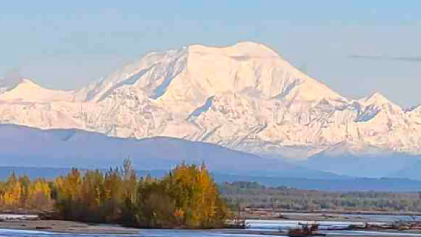
Denali National Park is one of the most famous destinations in the state because it protects sweeping tundra, braided rivers, mountain scenery, and habitat for bears, moose, caribou, Dall sheep, wolves, and other wildlife. The area is also home to Denali, the tallest peak in North America, which rises from the Alaska Range and creates one of the most dramatic landscapes in the region.
Summer is the best time to visit Denali National Park because roads, visitor services, trails, and guided experiences are most accessible. Travelers can hike, take interpretive outings, look for wildlife, and spend long daylight hours exploring. Even if clouds hide the mountain, this destination remains one of the essential stops on an Alaska vacation because of its scale, natural habitats, and sense of wilderness.
Why Visit Kenai Fjords National Park and Seward?
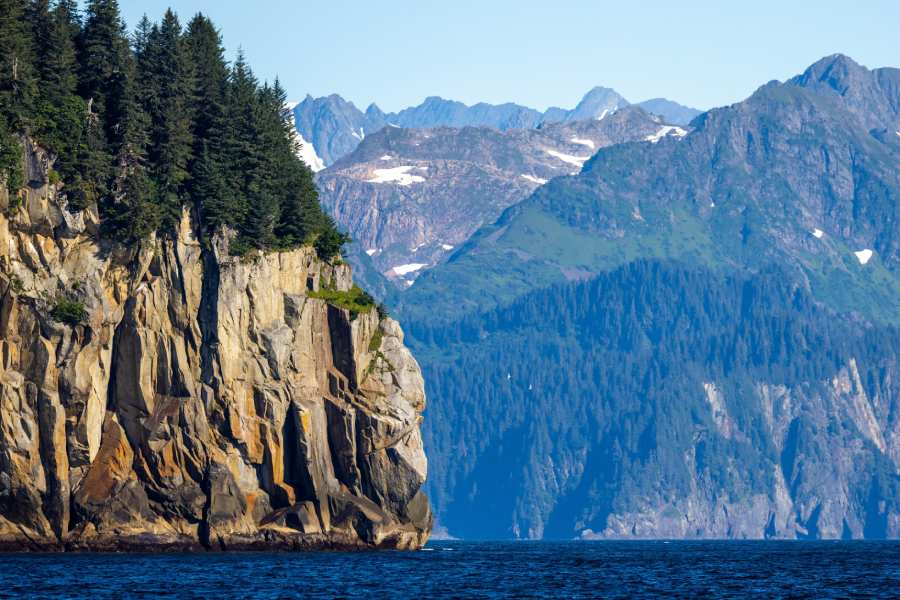
Kenai Fjords National Park is one of the best places in the state for a glacier cruise, marine life, rugged coastline, and dramatic scenery. Located near Seward, the area features tidewater glaciers, fjords, islands, cliffs, and cold marine waters where whales, sea lions, otters, puffins, and other wildlife may be seen. A visit here is especially rewarding for travelers who want to experience the coast from the water.
Seward is a popular base for whale watching, kayaking, hiking, and Resurrection Bay excursions. Boats leaving town can travel into Resurrection Bay and deeper into nearby fjords, depending on weather and tour length. For many travelers, this is one of the most memorable parts of the journey because it combines glaciers, whales, sea lions, birds, and mountain views in a single day.
Why Add Katmai National Park to Your Route?
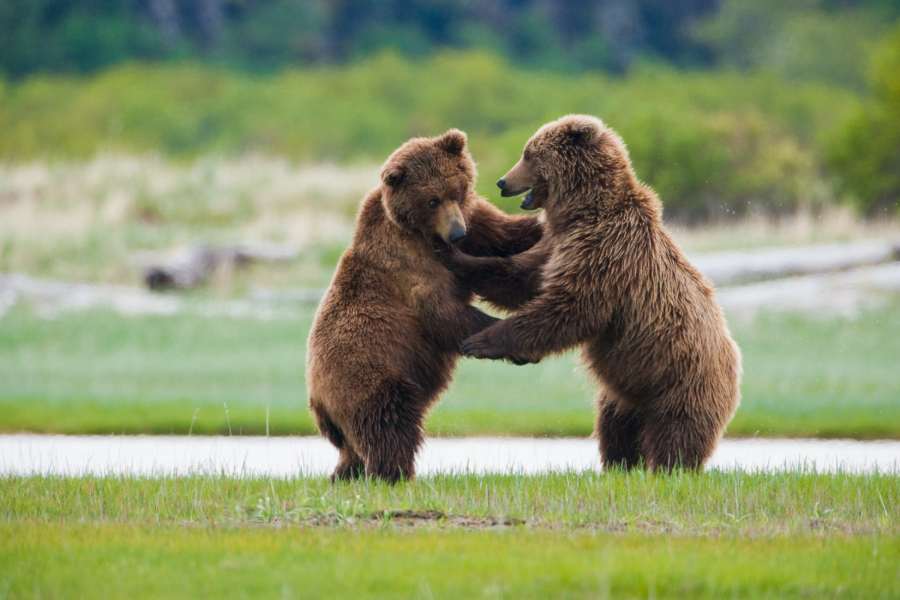
Katmai National Park is one of the world’s best-known bear viewing destinations. During salmon runs, travelers may see brown bears fishing, walking along rivers, or gathering near Brooks Falls. For anyone who wants close access to Alaska wildlife in natural habitats, Katmai National Park offers one of the most iconic experiences in the state.
Because Katmai National Park is remote, most travelers reach it by small plane. This makes planning important, especially in July and August when demand is high. Katmai can be added as a day trip or multi-day adventure, depending on your schedule, budget, and appetite for a big adventure. It pairs well with other Alaska experiences, especially if your route already includes Anchorage, Seward, or Cooper Landing.
What Are the Best Activities for an Alaska Summer Vacation?
The best activities are the ones that connect travelers with the scale and wildness of the destination. Hiking, fishing, bear viewing, whale watching, kayaking, glacier cruise trips, dog sledding on snowfields or glaciers, park visits, Alaska Railroad rides, and scenic flightseeing are all popular options. Some travelers plan around one main activity, while others build a route that combines several regions and excursions.
Because the state is so large, it is best to plan activities by region. Seward and Kenai Fjords National Park are strong for whale watching, marine life, kayaking, boats, and glacier cruise experiences. Denali National Park is ideal for mountain scenery, hiking, wildlife, and park exploration. Katmai National Park is one of the top places for bear viewing. Anchorage works well as a starting point, while the Kenai Peninsula offers fishing, trails, rivers, and access to coastal adventures.
| Experience | Best Areas to Consider | Why It Works in Summer |
|---|---|---|
| Bear viewing | Katmai National Park, Lake Clark, Cooper Landing area | Salmon runs draw bears to rivers and coastal feeding areas. |
| Whale watching | Seward, Resurrection Bay, Prince William Sound | Whales and other marine life are active in northern waters. |
| Hiking | Denali area, Anchorage, Matanuska Glacier region | Long daylight and open trails make this the best season for hiking. |
| Fishing | Cooper Landing, Kenai River, Homer, Bristol Bay, Seward | Seasonal fishing includes salmon, halibut, trout, rockfish, and more. |
| Glacier cruise | Kenai Fjords National Park, Prince William Sound, Resurrection Bay | Boats can access glaciers, fjords, sea lions, whales, and coastal scenery. |
Can You See the Northern Lights During Summer?
The northern lights are one of the state’s most famous natural wonders, but they are not usually a true summer experience. During June and July, the midnight sun and extended daylight make the sky too bright in many areas to see the northern lights. Even if aurora activity is happening overhead, travelers need dark skies, clear weather, and nighttime conditions to see it.
If seeing the northern lights is a priority, winter is a better season than summer. Fairbanks and areas farther north are especially popular for northern lights tours during darker months. September can sometimes offer a transition point: travelers may still enjoy late-season activities while also having more darkness than June, July, or August. Still, no traveler should plan a warm-season visit expecting reliable aurora viewing.
How Should You Build an Alaska Itinerary?
A strong itinerary should balance travel time, region changes, and the experiences you care about most. The state looks simple on a map, but distances are large and weather can affect boats, roads, flights, and excursions. Rather than trying to visit every park in one route, most travelers are better served by choosing a few areas and exploring them well.
A classic first-time Alaska vacation might begin in Anchorage, continue by road or Alaska Railroad toward Denali, return south toward Seward, and then add bear viewing, fishing, hiking, or kayaking. Travelers with more time can extend to Katmai National Park, Prince William Sound, Cooper Landing, Kachemak Bay, Matanuska Glacier, or the Arctic Circle.
Sample Summer Vacation Flow
- Start in Anchorage: Arrive, adjust, explore local trails, and prepare for your guided tours.
- Travel north: Visit the Denali area for wildlife, mountain scenery, hiking, and park exploration.
- Head to Seward: Use Seward as a base for coastal scenery, Resurrection Bay, boats, kayaking, and whale watching.
- Add bear viewing: Fly to Katmai National Park or another bear-focused area if this is a priority.
- Finish with flexibility: Leave room for weather changes, scenic stops, fishing, local history, and extra daylight adventures.
What Should You Pack?
Packing well can make an Alaska vacation much more comfortable. Even when the weather is warm, travelers should be ready for rain, wind, cool evenings, muddy trails, and sudden temperature changes. Layering is more useful than packing for one fixed forecast. A sunny morning in Anchorage can become a wet afternoon on the coast or a cold evening near a glacier.
Bring insect repellent, a waterproof jacket, warm layers, sturdy walking shoes, sun protection, and clothing that can handle outdoor activities. If your route includes hiking, kayaking, boats, park excursions, or bear viewing, pack practical clothing rather than dressy outfits. You may also want a sleep mask because the midnight sun can make it difficult to sleep when daylight stretches late into the night.
How Can Travelers Save Money?
An Alaska vacation can be expensive, especially during peak months. Lodging, rental cars, boats, guided tours, rail seats, and remote excursions can all add up quickly. To save money, consider traveling in early June or September, booking early, choosing a guided route that bundles logistics, or focusing your trip on fewer regions instead of paying for constant transfers.
Shoulder season travel can offer fewer crowds and lower prices, but travelers should compare savings against the experiences they want most. Some tours have shorter operating seasons, and September weather can be cooler and wetter. The best way to save money without weakening the trip is to plan early, prioritize your must-do Alaska experiences, and avoid building a route with too many expensive location changes.
Why Choose a Guided Tour?
Guided tours can help travelers get more from the state without spending the entire trip managing logistics. This destination requires more planning than many others because transportation, timing, weather, lodging, park access, and remote excursions all need to work together. A guided Alaska trip can make it easier to visit major destinations, enjoy wildlife viewing, connect with local guides, and reduce the stress of moving between regions.
Guided travel is especially helpful for visitors who want bear viewing, whale watching, glacier cruise experiences, hiking, kayaking, or time in areas like Denali National Park, Kenai Fjords National Park, Katmai National Park, and the Kenai Peninsula. Instead of guessing which boats, routes, trails, and excursions are worth the time, travelers can follow a planned route built around the best summer experiences available.
A Summer to Remember in the Last Frontier
Planning an amazing Alaska summer vacation starts with choosing the right season, the right regions, and the right pace. Summer brings long daylight, open access, active wildlife, warmer weather, and endless opportunities to explore. From Anchorage to Denali, Seward to the coast, and Katmai National Park to the Kenai Peninsula, the state offers Alaska experiences that feel larger than life.
Whether your dream Alaska vacation includes bear viewing, whale watching, fishing, hiking, kayaking, a glacier cruise, dog sledding, the Alaska Railroad, or a visit beneath the midnight sun, the best trips are planned with intention. Give yourself enough time, choose excursions carefully, and remember that this destination rewards travelers who come ready for nature, weather, wildlife, and adventure. Do not wait until the last minute to plan, and do not forget that the best routes leave room for the unexpected.