Best Bear Viewing Locations: Where to See Bears in Alaska
Download Travel Details >PRIVATE & SMALL GROUP TOURS TO THE WORLD'S BEST DESTINATIONS
Three Amazing Alaskan Vacations To Choose From!
Summer Trips To Alaska
Grizzlies & Glaciers Tour
Winter Trips To Alaska
See The Northern Lights
Summer Trips To Alaska
Denali Discovery Adventure

Discover the Best Bear Watching Spots in Alaska
Few wildlife experiences on Earth compare to watching a massive brown bear catch salmon mid-leap or seeing a black bear roam freely through an untouched forest. Alaska is the ultimate destination for bear lovers, offering unparalleled access to these incredible animals in their natural habitat.
If you’re wondering where to see bears in Alaska, you’re in the right place. From remote national parks to coastal fishing grounds, this guide covers the best bear watching spots Alaska has to offer—while also showing how you can travel responsibly and help protect the wild places that make these encounters possible.
Whether you’re a photographer, adventure traveler, or first-time visitor, these Alaska bear viewing locations promise unforgettable moments and meaningful connections with nature.
Why Alaska Is the World’s Premier Bear Destination
Alaska is home to all three North American bear species:
- Brown bears (including coastal grizzlies) – the largest bear species in Alaska. Brown bears can weigh between 200 and 1000 pounds and stand as tall as nine feet on their hind legs.
- Black bears – this medium-sized bear can be found throughout the state and is known for its adaptability. Black bears are omnivores and typically can be found in Alaska’s heavily forested areas.
- Polar bears (found in the Arctic regions) – these bears are the largest carnivores found on land, and have a thick, white coat that repels water and provides camouflage in snow and ice.
With vast protected lands, abundant salmon runs, and low human population density, bears here behave naturally—making the locations listed below some of the best bear watching spots in Alaska for ethical wildlife viewing.
Just as important, Alaska leads the way in sustainable tourism. Many bear viewing experiences rely on small group tours, licensed guides, and strict wildlife regulations designed to protect both animals and visitors.
-
Katmai National Park: The Ultimate Bear Viewing Experience
When people imagine bear watching in Alaska, Katmai often comes to mind—and for good reason.
Why Katmai Is Famous
- Home to Brooks Falls, where bears gather to catch salmon
- One of the highest concentrations of brown bears in the world
- Accessible only by plane or boat, keeping tourism controlled
Katmai is consistently ranked among the best bear-watching spots Alaska offers. During peak salmon season (July–September), you may see dozens of bears fishing just feet away—safely separated by viewing platforms.
Sustainable Travel Tip
Most visitors arrive via small group floatplane tours, which limit environmental impact and reduce stress on wildlife. Park regulations strictly control visitor numbers, helping preserve this fragile ecosystem.
-
Lake Clark National Park: Remote, Wild, and Less Crowded
If you want spectacular bear viewing without the crowds, Lake Clark is a dream destination.
What Makes Lake Clark Special
- Coastal brown bears feeding on clams and salmon
- Stunning scenery with mountains, glaciers, and turquoise lakes
- Fewer visitors than Katmai
Lake Clark is one of the most underrated Alaska bear viewing locations, offering intimate encounters with bears behaving naturally along the shoreline.
Eco-Friendly Advantage
Many lodges here focus on low-impact tourism, using renewable energy, local guides, and strict wildlife viewing distances. Small group tours ensure a quieter, more respectful experience.
-
McNeil River State Game Sanctuary: A True Wilderness Experience
Often called the most exclusive bear viewing site in Alaska, McNeil River is legendary.
What You Need to Know
- Access is limited by a permit lottery
- Only a small number of visitors are allowed each day
- Incredible bear density during salmon runs
This sanctuary is one of the most carefully managed bear habitats in the world. Bears here are so accustomed to respectful human presence that visitors can observe them at remarkably close—but safe—distances.
Conservation in Action
McNeil River is a powerful example of how controlled access and small group travel protect wildlife while still allowing meaningful human experiences.
-
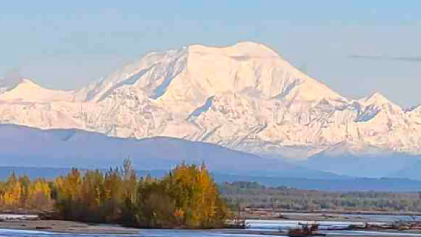
Denali National Park: Bears in the Heart of Alaska
Denali isn’t just about North America’s tallest mountain—it’s also a fantastic place to spot both black and grizzly bears.
Why Denali Is a Must-Visit
- Bears are often seen along the Denali Park Road
- Vast tundra landscapes make wildlife easier to spot
- Accessible by bus systems that reduce traffic and emissions
If you’re researching where to see bears in Alaska without flying to remote regions, Denali is one of the most accessible options.
Sustainable Travel Highlight
Denali’s park bus system is a model of eco travel, reducing carbon emissions while providing excellent wildlife viewing opportunities.
-
Kodiak Island: Land of the Giants
Kodiak Island is home to the famous Kodiak brown bear, the largest bear subspecies in the world.
What Sets Kodiak Apart
- Massive bears are found nowhere else
- Mix of forests, rivers, and coastal habitats
- Strong conservation culture among locals
Bear viewing here often takes place with experienced guides who understand bear behavior and emphasize safety and respect.
Supporting Local Conservation
Choosing locally operated small group tours helps fund bear research, habitat protection, and education programs on the island.
-
Admiralty Island: Fortress of the Bears
Nicknamed “Fortress of the Bears,” Admiralty Island has one of the highest bear densities on Earth.
Why It’s Unique
- Up to 1,600 brown bears on one island
- Pristine rainforest environment
- Excellent fishing and wildlife photography opportunities
This is one of the wildest and untouched Alaska bear viewing locations, best experienced with knowledgeable guides.
Eco-Tourism Matters Here
The island’s delicate ecosystem benefits from strict visitor limits and guided tours that minimize environmental impact.
Best Time for Bear Watching in Alaska
Timing is everything when planning bear viewing, especially in Alaska, where bear behavior, accessibility, and visibility change dramatically with the seasons. Arriving at a bear viewing location too early or too late can mean missing key feeding periods, such as salmon runs, encountering bears dispersed across vast landscapes, or facing weather and daylight conditions that limit both travel and wildlife activity.
Seasonal Highlights
- May–June: Bears emerge from hibernation; great coastal viewing
- July–September: Peak salmon runs and the best bear watching
- October: Fewer bears are visible as they prepare for winter
Most of the best bear watching spots Alaska has to offer are at their peak in mid-summer.
Why Small Group Tours Are Better for Bears—and You
Sustainable travel isn’t just a trend in Alaska—it’s essential, because the state’s fragile ecosystems, remote communities, and iconic wildlife are deeply affected by visitor behavior, and responsible choices help preserve pristine landscapes, protect animals from human disturbance, and ensure that Alaska’s natural and cultural heritage remains intact for generations to come.
Small group bear tours reduce stress on wildlife, minimize habitat disruption, allow for personalized travel experiences, and encourage safety and education during tours. By choosing small group tours, travelers help ensure that bears remain wild and that future generations can enjoy these same experiences.
Responsible Bear Viewing Tips
To protect Alaska’s bears and ecosystems, always follow best practices:
- Maintain safe viewing distances
- Never feed or approach bears
- Follow your guide's instructions carefully
- Choose licensed, eco-conscious operators
- Leave no trace
Responsible travelers play a crucial role in conservation.
Final Thoughts: Experience Alaska’s Bears the Right Way
From Katmai’s famous salmon runs to the remote shores of Lake Clark, Alaska offers unmatched opportunities to see bears in the wild. These best bear-watching spots Alaska provides are not only breathtaking—they’re also carefully protected.
By choosing sustainable travel options and supporting small-group tours, you’re helping conserve Alaska’s wildlife, landscapes, and communities. When you plan thoughtfully, bear viewing becomes more than a vacation—it becomes a way to give back to the wild places that inspire us.
If Alaska is on your bucket list, now you know exactly where to see bears in Alaska—and how to do it responsibly with small group tours.